Food & coffee · June 27, 2026
The Royal Project: From Poppy Fields to Doi Kham Shops
By The Ada House team
Walk into almost any supermarket in Chiang Mai and you will spot a familiar gold logo on the honey, the dried mango and the bottled passion-fruit juice: Doi Kham. Behind it sits one of the quietly remarkable stories of modern Thailand, a half-century effort that turned opium-growing hillsides into orchards and gave the farmers who tend them a market. Here is the history, and where you can shop it.
A peach tree above the poppies
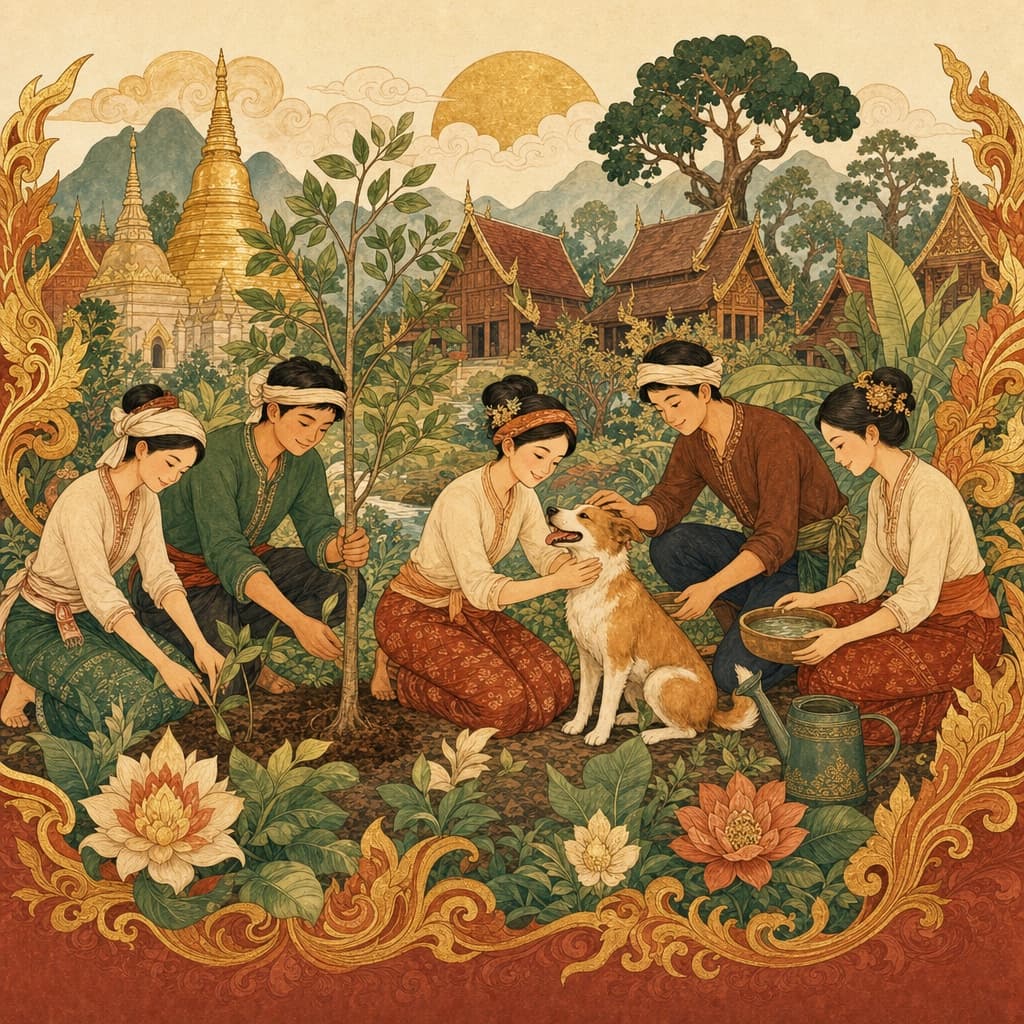
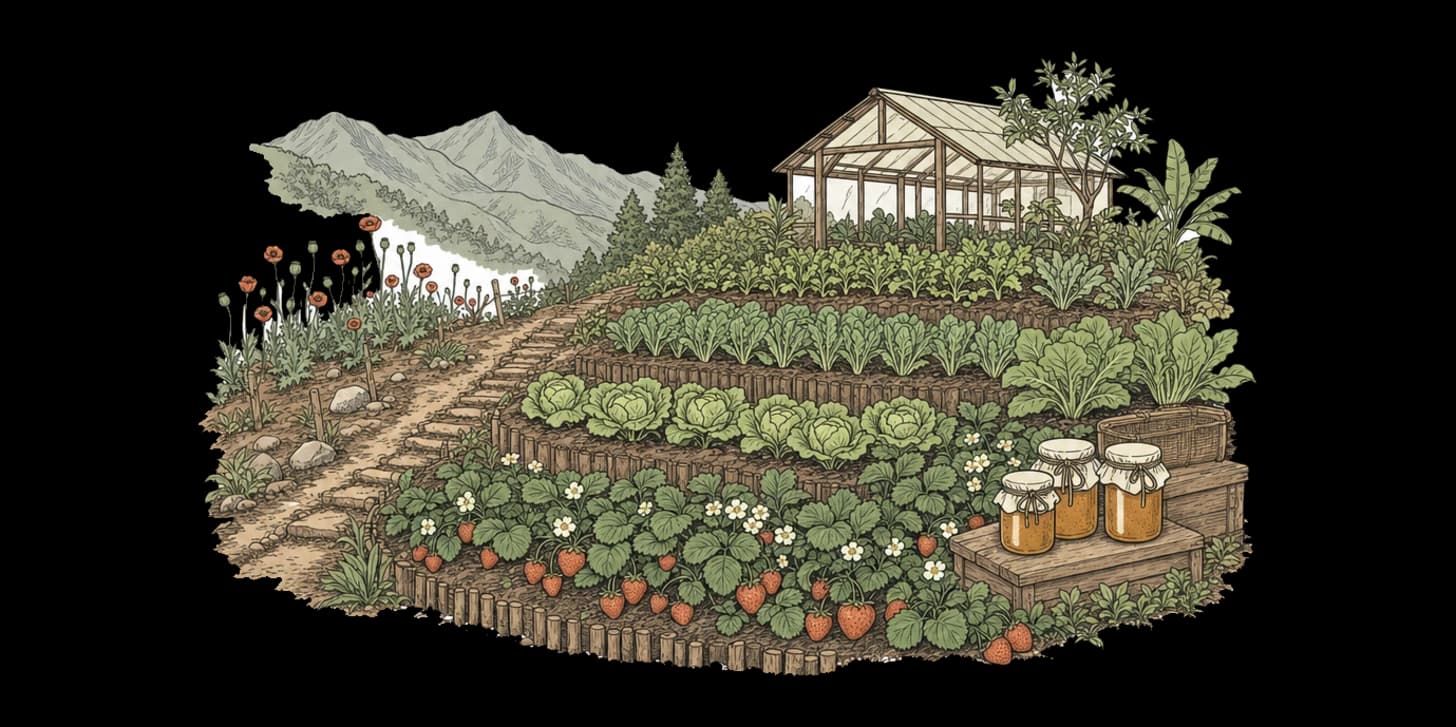
In 1969, King Bhumibol Adulyadej visited highland villages near Chiang Mai and noticed two things growing side by side: opium poppies, and a hardy local peach tree. The peaches, he learned, earned a family more than the poppies did. That small observation became a big idea. If temperate fruit could pay better than opium, the hills could change without anyone being forced to change them. Funded at first from his own pocket, the King launched what was then called the Royal Hill Tribe Project, later known simply as the Royal Project. It helps to understand how deeply Thais revere the late king to grasp why this story still carries such weight today.
Doi Angkhang and the science of the hills
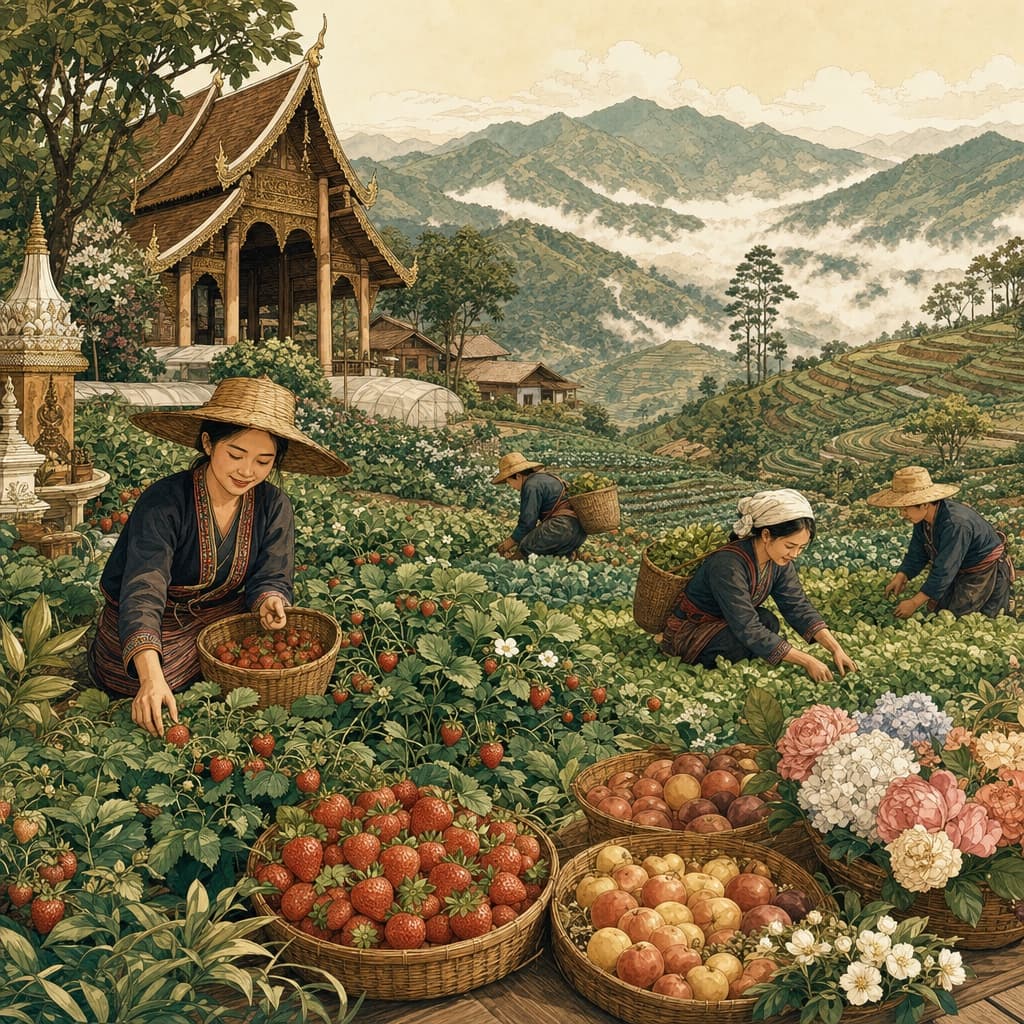
The first experimental station opened at Doi Angkhang, high on the Myanmar border, where Kasetsart University researchers began testing which cool-climate crops could thrive at altitude. Strawberries, temperate vegetables, cut flowers, herbs and, crucially, coffee all proved themselves here before being passed down to the hill-tribe communities who would grow them. The model worked so well that the project won the Ramon Magsaysay Award in 1988, and in 1992 it was formally registered as the Royal Project Foundation. Today it runs dozens of development centres across five northern provinces.
What "Royal Project" means on a label
When you see produce marked Royal Project or Doi Kham, you are looking at the commercial end of that long experiment. The Foundation buys from highland farmers, then grades, packs and sells under its own name, while Doi Kham is the processed-foods brand that turns the harvest into juices, jams, canned fruit, dried mango and honey. The quality is high and the prices are fair, because the point was never profit. It was giving smallholders a reliable buyer. The strawberries, avocados and crisp salad leaves that feel surprisingly un-tropical on Chiang Mai menus very often trace back to these hills. Our guide to Thai fruit covers the temperate oddities you will meet along the way.
Where to shop in Chiang Mai
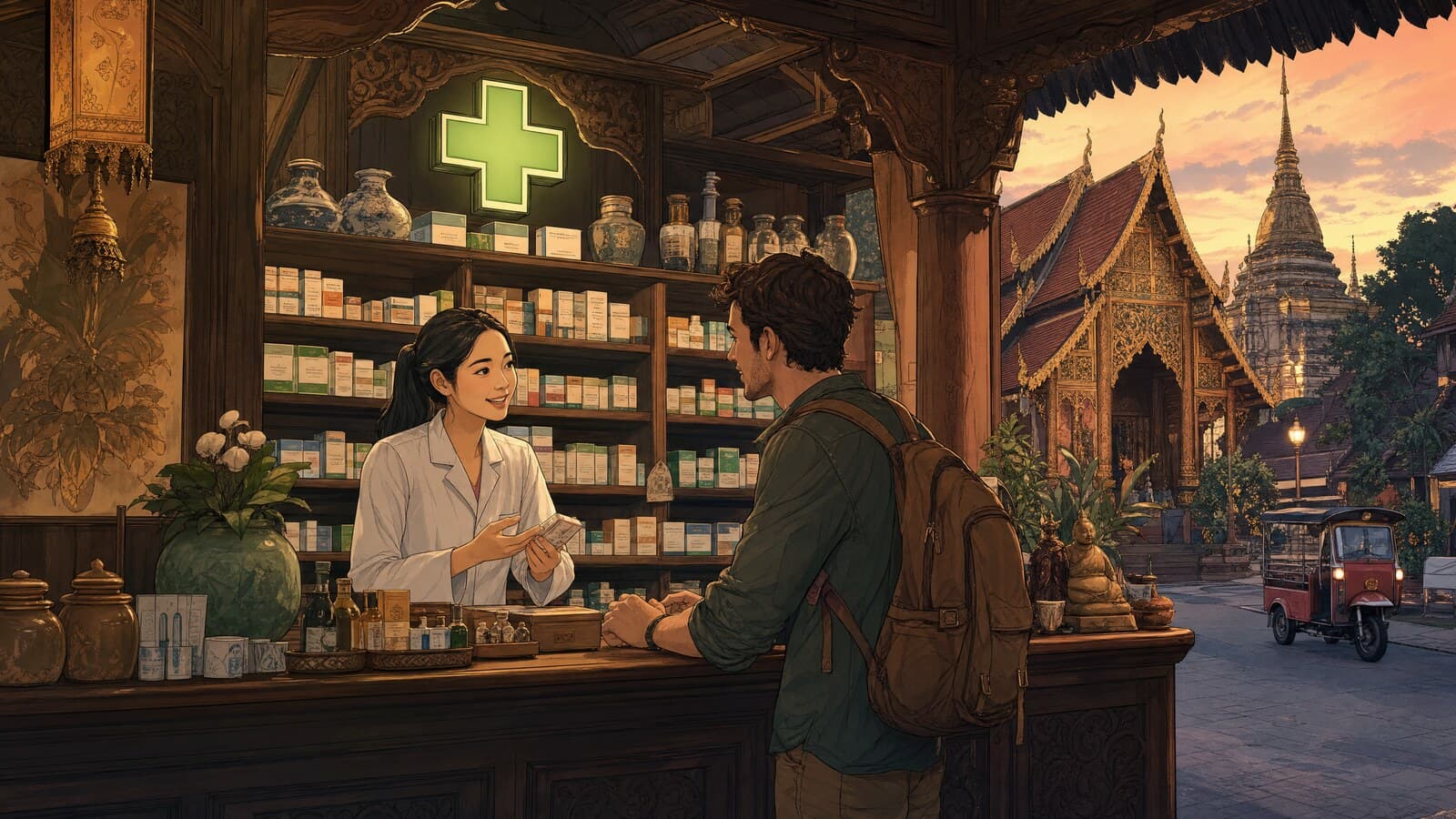
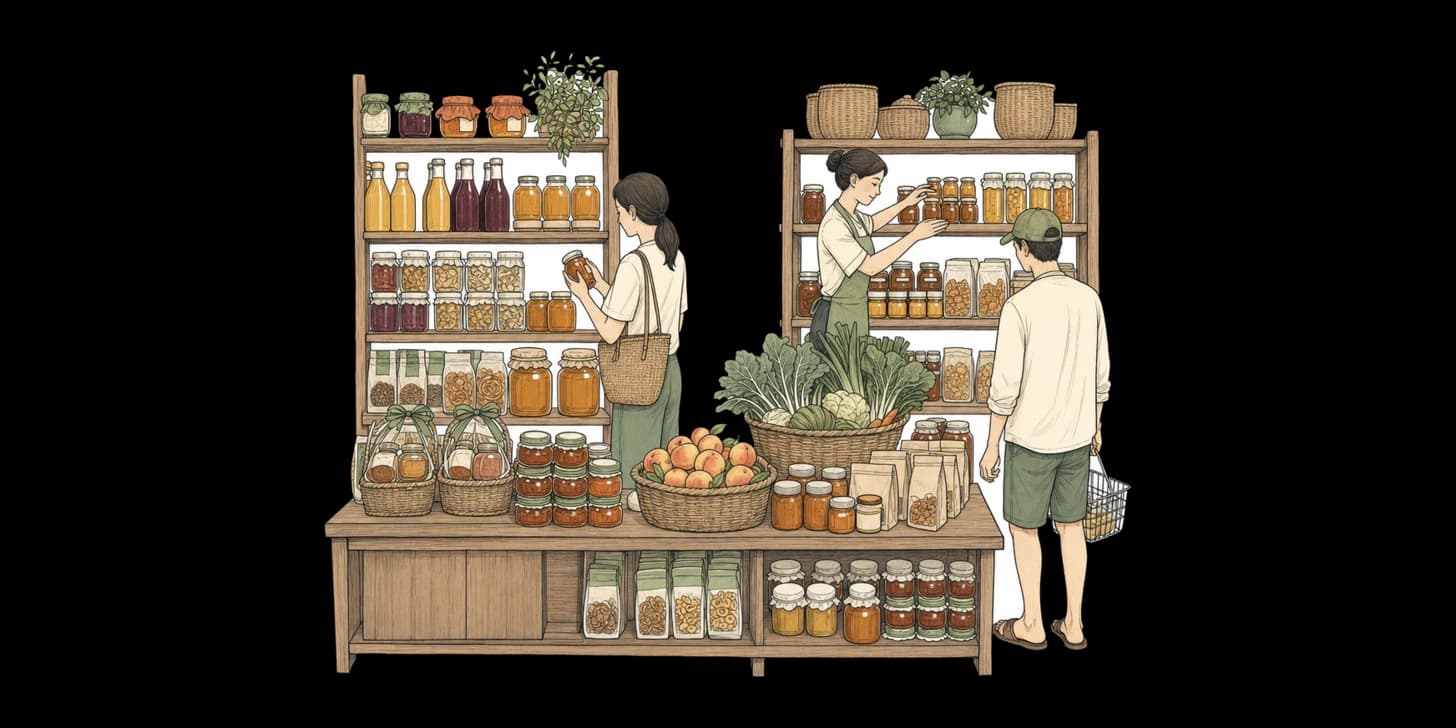
You do not need to climb a mountain to buy it. Royal Project Shops dot the city and sell fresh vegetables, fruit, eggs, coffee, tea and packaged goods at honest prices. The research-centre shop out at Mae Hia, on the quiet south-western edge of town, is a local favourite for its just-picked produce and garden setting. Doi Kham branded shops and nearly every supermarket carry the shelf-stable range, so a jar of Royal Project honey or a bag of dried fruit makes an easy, meaningful gift to carry home. For the freshest pickings, catch the weekend organic market at Jing Jai, where highland growers sell direct. It all slots neatly into stocking your kitchen here. Opening hours shift with the seasons, so check before making a special trip.
Making a day of it: visiting a station
If you would rather see where it grows, several stations welcome visitors. Doi Angkhang remains the showpiece, with landscaped orchards, flower gardens and cool mountain air, at its best from November to February when the strawberries and blooms peak. There is another well-known station in the Doi Inthanon highlands, and the terraced flower fields and vegetable plots of the Mae Rim valley draw weekend crowds for their views. Any of them makes a gentle, scenic day trip from the city, and an easy pairing with the temples and waterfalls nearby.
Why we send our guests there
We point Ada House guests towards the Royal Project for the same reason locals do: it is good food with a good story. Buy the honey, try the cold-pressed juice, pick up strawberries in season, and know that the few baht you spend still does exactly what a king intended back in 1969. It is one of the simplest ways to eat well in Chiang Mai while putting your money somewhere that genuinely matters.
Frequently asked questions
What is the Royal Project?
It began in 1969 when King Bhumibol Adulyadej visited highland villages near Chiang Mai and noticed that a hardy local peach tree earned families more than the opium poppies growing beside it. From that observation he launched what became the Royal Project, turning opium-growing hillsides into orchards and temperate farms and giving the farmers a reliable market for their produce.
What does the Doi Kham label mean?
When you see produce marked Royal Project or Doi Kham, you are looking at the commercial end of that long experiment. The Foundation buys from highland farmers, then grades, packs and sells under its own name, while Doi Kham is the processed-foods brand that turns the harvest into juices, jams, canned fruit, dried mango and honey, all at fair prices.
Where can I buy Royal Project produce in Chiang Mai?
You do not need to climb a mountain. Royal Project Shops dot the city selling fresh vegetables, fruit, eggs, coffee, tea and packaged goods at honest prices, and the research-centre shop out at Mae Hia is a local favourite for just-picked produce. Doi Kham branded shops and nearly every supermarket carry the shelf-stable range, and the weekend organic market at Jing Jai has highland growers selling direct.
Can I visit a Royal Project station?
Yes, several stations welcome visitors. Doi Angkhang is the showpiece, with landscaped orchards, flower gardens and cool mountain air, at its best from November to February when the strawberries and blooms peak. There is another well-known station in the Doi Inthanon highlands, and the terraced fields of the Mae Rim valley draw weekend crowds for their views.
Should I check opening hours before visiting a shop or station?
Yes, opening hours shift with the seasons, so it is worth checking before making a special trip. For the freshest pickings, catching highland growers at the weekend Jing Jai market is a reliable bet.