Practical tips · June 25, 2026
Volunteering in Chiang Mai: how to give back without doing harm
By The Ada House team
After a few weeks here, a lot of people feel the same pull: this city has been kind to me, and I'd like to give something back. It's a good instinct. But the gap between wanting to help and actually helping is wider than it looks — and in Chiang Mai, where the charity scene is large and largely unregulated, choosing well matters as much as showing up.
Why Chiang Mai draws volunteers
Chiang Mai has long been a hub for NGOs, foundations and grassroots projects — partly because the cost of living is low, partly because there's a deep-rooted long-stay community of people who stick around long enough to be useful. If you're already here for months rather than days, you're better placed to commit than most. That same slow rhythm that makes the city good for settling in makes it good for giving back.
It also means there's no shortage of options — and no shortage of schemes that take more than they give. So go in with your eyes open.

The main kinds of work
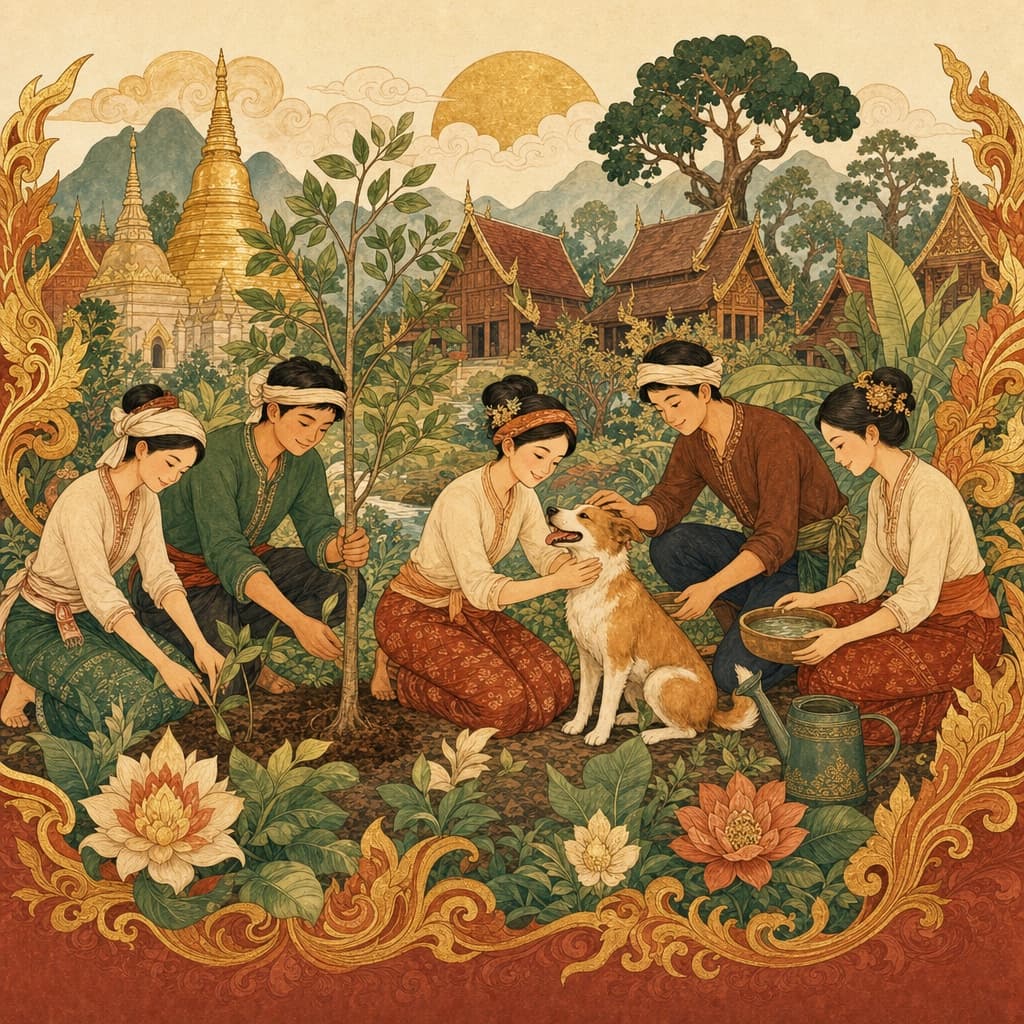
Animal welfare is the most visible. Chiang Mai's street and temple dogs are part of daily life, and several rescue projects run sterilisation, vaccination and rehoming programmes — the unglamorous work that actually reduces suffering over time. Reputable shelters (look into established names, then verify them yourself) ask travellers for a few days minimum to walk, bathe and socialise the animals. If you've grown fond of the city's soi dogs, this is a direct way to help them.
Elephants are the other draw — but be careful. Genuine ethical sanctuaries rescue former working elephants and let them live without riding or performing, and some take volunteers for feeding, observation and habitat work. The word "sanctuary" gets borrowed by places that still offer rides, so apply the same standards you would when choosing an ethical elephant experience.
Teaching English is the third common path — at schools, with novice monks at temples, and in hill-tribe and migrant communities where access to education is thin. A little of the local language goes a long way here, so it's worth pairing your effort with a Thai class. Connecting respectfully with the region's hill-tribe communities takes patience and humility — let the organisation lead, not your assumptions.
Then there's environmental work: reforestation, fire-break building, and projects tackling the burning-season smoke that blankets the north each spring. And community development — building, water, small-scale infrastructure — where the most useful thing you can often offer is steady hands and a willingness to follow local direction.
The ethics — read this part
Here's the hard truth that good intentions can miss: some volunteering does harm. The clearest case is orphanage tourism. Decades of evidence — from UNICEF, the Better Care Network and others — show that institutionalising children damages them, that a revolving door of short-term volunteers deepens that harm, and that demand from well-meaning foreigners has fuelled child trafficking into orphanages. The settled position among reputable child-protection bodies is simple: don't volunteer at orphanages. If a project puts you in unsupervised contact with vulnerable children, walk away.
Be wary, too, of "pay-to-volunteer" schemes. Some are legitimate and cover real costs; others are tour operators in disguise, where most of your fee never reaches the cause. Ask plainly: where does the money go, who runs this, and would the work still happen without a paying foreigner doing it? The best projects are led by the local community, address a real and ongoing need, and value a longer commitment over a stream of weekend visitors.
The practical realities
Be honest about time. A two-day shelter visit is fine for what it is, but the work that genuinely moves the needle usually wants weeks or months. If you can give that, you'll do more good and get more out of it.
One thing people overlook: volunteering can require the correct visa. Under Thai law, unpaid work is still work, and formal, long-term placements may need a Non-Immigrant O visa and a work permit. Don't assume a tourist visa lets you volunteer officially — short, informal helping out is one thing, but anything structured deserves a real conversation with the organisation first. Plenty of long-stayers sort this out alongside their other visa admin.
Whatever you choose, you'll likely come away knowing the city — and the people in it — far better than any sightseeing could manage. Give thoughtfully, and Chiang Mai gives back.
Warmly, The Ada House team
Frequently asked questions
Why is Chiang Mai such a hub for volunteering?
It has long been a hub for NGOs, foundations and grassroots projects, partly because the cost of living is low and partly because there is a deep-rooted long-stay community of people who stick around long enough to be useful. If you are already here for months rather than days, you are better placed to commit than most. That said, the scene is large and largely unregulated, so choosing well matters as much as showing up.
What kinds of volunteer work are common?
Animal welfare is the most visible, with rescue projects running sterilisation, vaccination and rehoming for street and temple dogs, and reputable shelters asking for a few days minimum. Teaching English is another common path, at schools, with novice monks, and in hill-tribe and migrant communities, and there is also environmental work like reforestation and fire-break building, plus community development. Genuine ethical elephant sanctuaries also take volunteers for feeding and observation.
Is it true that some volunteering can do harm?
Yes, this is the hard truth good intentions can miss. The clearest case is orphanage tourism, where decades of evidence from bodies like UNICEF and the Better Care Network show that institutionalising children harms them and that demand from well-meaning foreigners has even fuelled trafficking into orphanages. The settled position among reputable child-protection bodies is simple: do not volunteer at orphanages, and if a project puts you in unsupervised contact with vulnerable children, walk away.
How do I spot a trustworthy project?
Be wary of pay-to-volunteer schemes, some of which are legitimate and cover real costs while others are tour operators in disguise where most of your fee never reaches the cause. Ask plainly where the money goes, who runs it, and whether the work would still happen without a paying foreigner doing it. The best projects are led by the local community, address a real and ongoing need, and value a longer commitment over a stream of weekend visitors.
Do I need a particular visa to volunteer?
It is something people overlook, but volunteering can require the correct visa, because under Thai law unpaid work is still work, and formal, long-term placements may need a Non-Immigrant O visa and a work permit. Do not assume a tourist visa lets you volunteer officially, as short, informal helping is one thing but anything structured deserves a real conversation with the organisation first. This is general information, so verify your own situation with the organisation and the relevant official sources.