Local culture · June 18, 2026
Learn a little Thai: phrases that go a long way
By The Ada House team
You don't need fluent Thai to live happily in Chiang Mai — English gets you a long way in tourist areas. But a handful of phrases changes everything: faces light up, prices feel friendlier, and you stop being just another visitor. Thai is tonal (five tones) and has its own script, so reading is a long project — but speaking the basics is very doable. Here's the starter kit.
The two magic words: khrap & kha
The single highest-impact thing you can learn is the politeness particle you add to the end of sentences:
- Men say khrap, women say kha.
Tack it onto anything — sawatdee khrap, khop khun kha — and your Thai instantly sounds respectful and warm. Pair it with the wai (palms together, slight bow) when greeting elders, hosts or staff, and you'll be met with real smiles.
Phrases to start with
Approximate phonetics (spellings vary — focus on the sound, add khrap/kha to be polite):
- sawatdee — hello
- khop khun — thank you
- chai / mai chai — yes / no
- kho thot — sorry / excuse me
- mai pen rai — it's okay / no worries (you'll hear this constantly)
- thao rai? — how much?
- … yu thi nai? — where is …? (e.g. hong nam yu thi nai? — where's the bathroom?)
- check bin — the bill, please
- mai ao thung — no plastic bag (handy at 7-Eleven and markets)
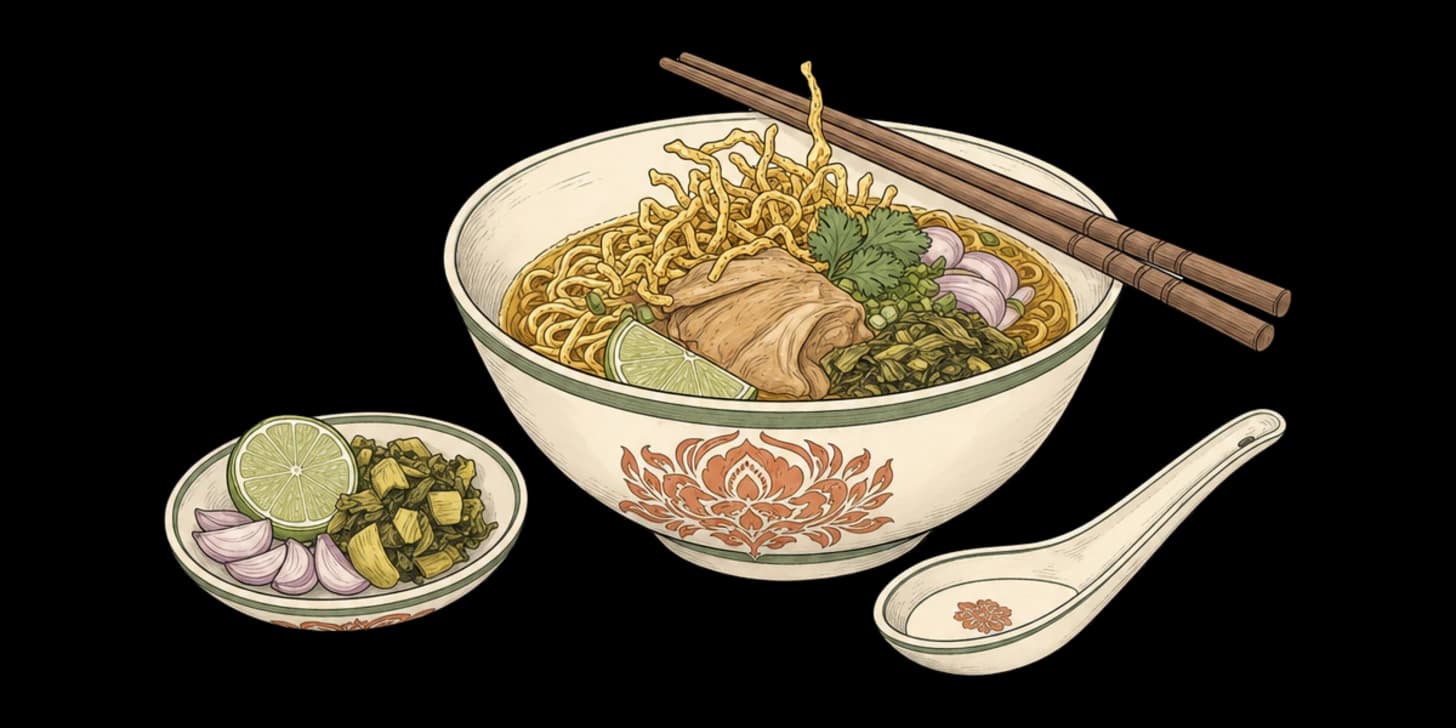
Food language: your highest-value words
You'll use these every single day — start here:
- aroi (or aroi mak, very delicious) — the easiest way to delight a cook
- phet / mai phet / phet nit noi — spicy / not spicy / a little spicy
- ao … — "I'd like …" (e.g. ao pad thai) · an nii — "this one" (point and smile)
- Building blocks: khao (rice), sen (noodles), gai (chicken), moo (pork), nuea (beef), pla (fish), phak (vegetables)
- Plant-based? gin jay — "I eat vegan/vegetarian" — see our vegan & vegetarian guide
Armed with these, the Northern Thai food world opens right up.
Numbers 1–10
Useful for prices, orders and bus seats:
neung (1), song (2), sam (3), si (4), ha (5), hok (6), jet (7), paet (8), kao (9), sip (10).
Combine with pointing and the price display and you'll manage almost anything.
Tones & script, briefly
Thai's five tones mean one syllable can carry several meanings — mai alone can mean "not," "new" or "burn" depending on tone. Don't let that scare you: aim to be understood, not perfect, and locals are remarkably patient and encouraging. The script is beautiful but a separate, longer study — not needed for everyday speaking, though it helps later with local menus and bus signs.
Going further
Chiang Mai is a genuinely great place to study Thai — low cost, relaxed pace, and plenty of options:
- Language schools — group and private classes abound. Some historically offered Education (ED) visas; since the DTV reshaped long-stay options, confirm current visa rules directly with the school or immigration (our digital nomad guide has the visa picture).
- Apps — Ling, Pimsleur, Drops, Duolingo for vocabulary and listening.
- Tutors & exchanges — one-to-one online tutors, plus language-exchange meetups around Nimman's cafés and coworking spaces — a low-pressure way to practise and make local friends. Volunteering in Chiang Mai, done thoughtfully, is another way to use your growing Thai in the community without doing harm.
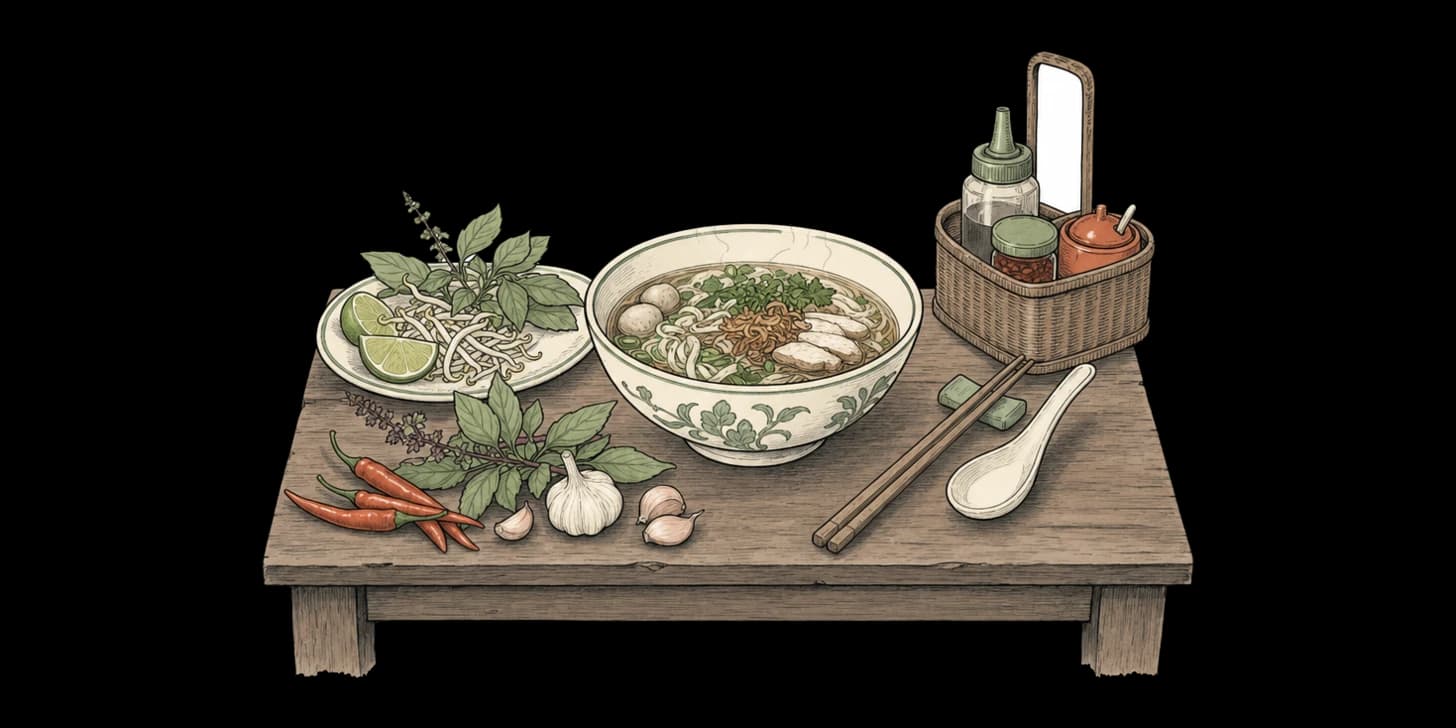
Our advice: learn politeness, food and numbers first, sprinkle khrap/kha generously, and don't overthink the tones. Even a clumsy aroi mak! to the lady at the noodle stall will earn you a grin — and that's really the whole point. Ask us at the house for our favourite phrases and where the next language exchange is on.
Frequently asked questions
Do I need to speak fluent Thai to live happily in Chiang Mai?
Not at all. English gets you a long way in the tourist areas, so you do not need to be fluent. But a handful of phrases changes everything: faces light up, prices feel friendlier, and you stop being just another visitor. Learning a little is one of the kindest things you can do.
Is Thai hard to learn?
It has its challenges, but do not let them scare you. Thai is tonal, with five tones, so one syllable can carry several meanings, and it has its own script, which makes reading a longer project. The good news is that speaking the basics is very doable, and locals are remarkably patient and encouraging when you try.
What are khrap and kha, and why do they matter?
They are the politeness particle you add to the end of a sentence, and they are the single highest-impact thing you can learn. Men say khrap and women say kha; tack one onto anything, like sawatdee khrap or khop khun kha, and your Thai instantly sounds respectful and warm. Pair it with the wai, palms together and a slight bow, when greeting elders, hosts or staff, and you will be met with real smiles.
Which Thai words should I learn first?
Our advice is to learn politeness, food and numbers first, and to sprinkle khrap and kha generously. Food words earn their keep every single day: aroi for delicious, phet and mai phet for spicy and not spicy, and ao for I would like. Add the numbers one to ten and a few essentials like thao rai for how much, and you will manage almost anything.
Where can I learn more Thai in Chiang Mai: schools, apps or tutors?
Chiang Mai is a genuinely great place to study, with low cost and a relaxed pace, so all three work well. Language schools offer group and private classes, apps like Ling, Pimsleur, Drops and Duolingo help with vocabulary and listening, and one-to-one tutors plus language-exchange meetups around Nimman are a low-pressure way to practise and make local friends. Do ask us at the house for our favourite phrases and where the next language exchange is on.
Does a Thai language course come with a visa?
Some language schools have historically offered Education, or ED, visas, but long-stay options have been reshaped recently, so the picture has changed. The safest approach is to confirm the current visa rules directly with the school or with immigration before you commit. Our digital nomad guide has more on the wider visa picture.