Things to do · June 15, 2026
Meeting elephants in Chiang Mai, ethically
By The Ada House team
For a lot of guests, meeting elephants is the dream that brings them to Northern Thailand in the first place. We get it — they're extraordinary animals. But how you meet them matters more than almost anything else on your trip, so let us help you do it kindly.
Why we'd skip riding and shows
The short, honest version: no riding, and no performances. Carrying people puts real strain on an elephant's body, and circus-style tricks are taught through methods that have no place in genuine care. If a place offers rides, painting, football or staged shows, that's your cue to look elsewhere — whatever the brochure says.
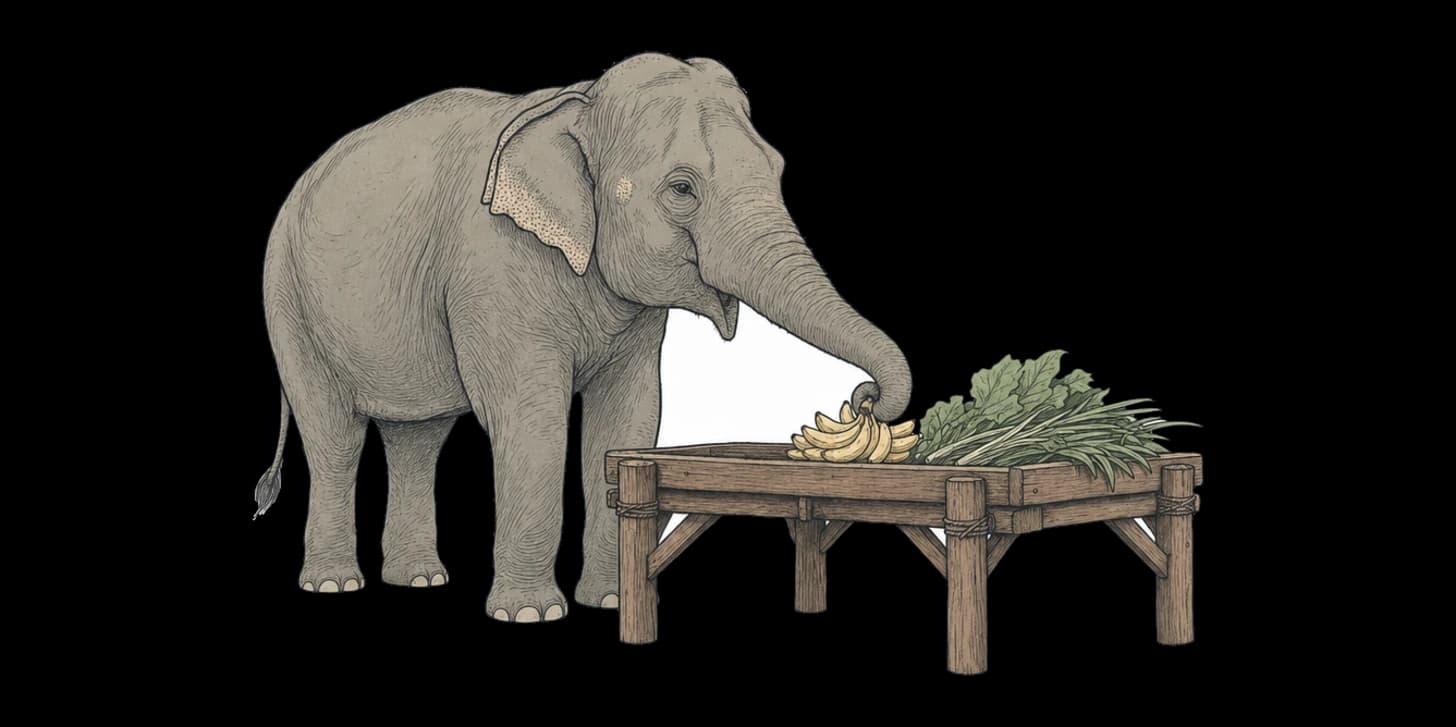
"Sanctuary" is not a magic word
Here's the catch most people don't know: "sanctuary" isn't a regulated term. Anyone can use it. So the label alone tells you nothing — you have to look at how the elephants actually live. A quick checklist we trust:
Good signs 🟢
- No riding, no shows, no chains or bullhooks
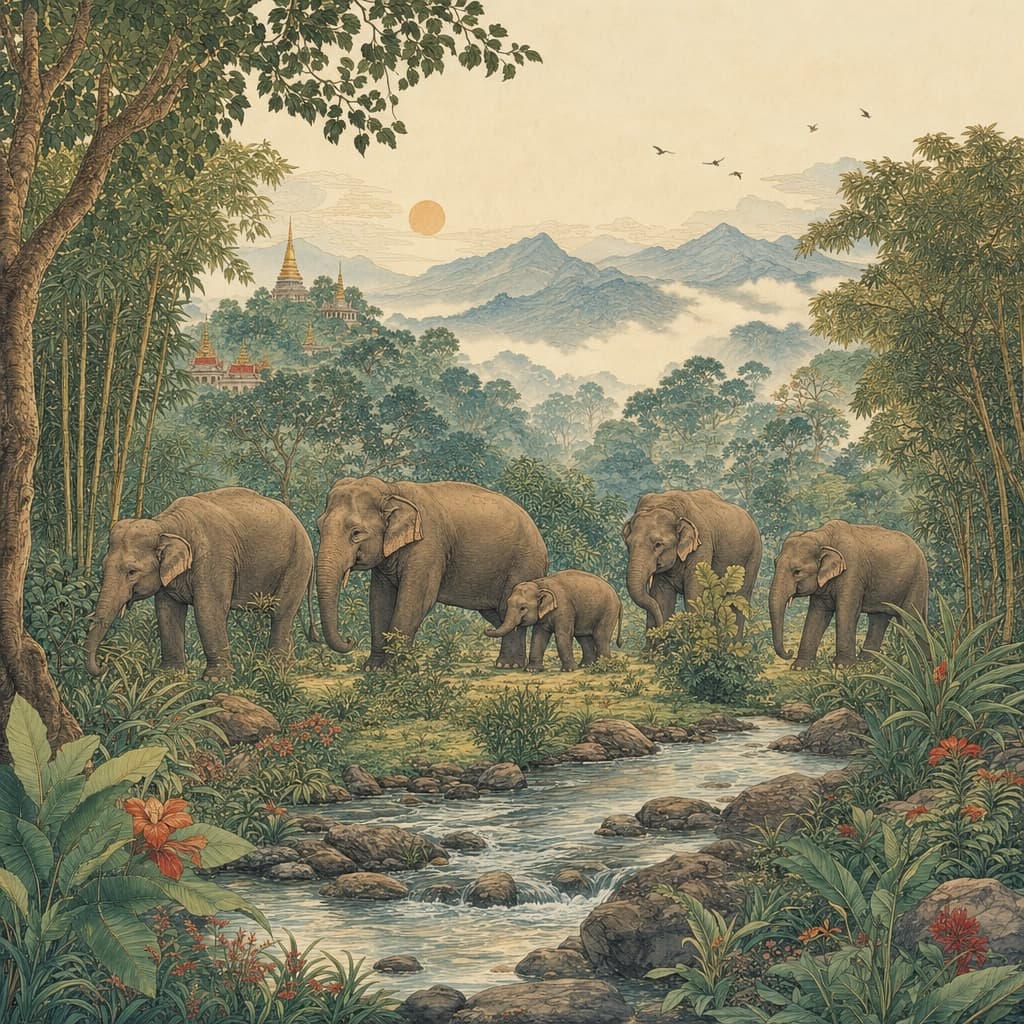
- Elephants free to roam, graze and socialise
- Observation-first; contact is limited and never forced
- Open about each elephant's rescue story and their vet care
Walk away if you see 🔴
- Elephant rides or trick performances
- Heavily staged photo ops, visible chaining
- Vague "ethical" claims with no specifics
Read recent visitor reviews, not just the marketing — programmes change, and so does quality.
Where we'd point you
The best-known genuinely rescue-and-rehabilitation-focused place is Elephant Nature Park, a pioneer of ethical elephant tourism in the region. ChangChill is another that's consistently praised as observation-led and welfare-first. There are others that are excellent too — and some that use the right words without the right practices — so always check their current programme and recent reviews before you book. Most run half-day or full-day visits with transport from the city and lunch included, and the good ones fill up, so book ahead.
What a day actually feels like
Less than you'd expect, in the best way. A good visit is slow and observational: you'll learn the herd's stories, walk alongside them as they graze, and watch them just be elephants. Some places include feeding; the bathing/mud experiences you've seen online are increasingly being scaled back, as the most welfare-focused places limit hands-on contact — which is a good sign, not a disappointment. That gentle, unhurried pace makes it one of the best days out if you're visiting Chiang Mai with kids, too — children remember it for years.
Bring sturdy shoes, sun protection, insect repellent, water, and clothes you don't mind getting muddy. Pick a clear day — our guide to the seasons will help you avoid the smoky months — and you'll have one of those mornings you remember for years. Come back to the house tired, a little muddy, and ready for a bowl of khao soi. Done right, it's the best day of the trip — for you and for them.
Frequently asked questions
Should we ride the elephants or watch a show while we are there?
We would gently steer you away from both. Carrying people puts real strain on an elephant's body, and circus-style tricks like painting or football are taught through methods that have no place in genuine care. If a place offers rides or staged performances, take it as your cue to look elsewhere, whatever the brochure promises.
Does the word sanctuary mean a place is genuinely ethical?
Sadly, no. Sanctuary is not a regulated term, so anyone can use it and the label alone tells you nothing. What matters is how the elephants actually live, so look past the marketing and judge the place on its real practices.
How do we choose a genuinely ethical place to visit?
Look for the good signs: no riding, no shows, no chains or bullhooks, and elephants free to roam, graze and socialise. The best places are observation-first, keep contact limited and never forced, and are open about each elephant's rescue story and vet care. Read recent visitor reviews rather than just the marketing, because programmes and quality can change over time.
What red flags should make us walk away?
Walk away if you see elephant rides or trick performances, heavily staged photo ops, or visible chaining. Vague claims of being ethical with no specifics are another warning sign. Trust what you can actually observe over what the brochure says.
What does a good, ethical visit actually feel like?
Less hands-on than you might expect, in the very best way. A good visit is slow and observational: you will learn the herd's stories, walk alongside the elephants as they graze, and simply watch them be elephants. Some places include feeding, while the bathing and mud experiences are increasingly being scaled back, and that pulling back from hands-on contact is a good sign rather than a disappointment.
Is an elephant visit suitable for children?
It can be one of the loveliest days out with kids. That gentle, unhurried pace suits children beautifully, and it is the kind of morning they remember for years. Bring sturdy shoes, sun protection, insect repellent, water and clothes you do not mind getting muddy, and pick a clear day.