Things to do · June 25, 2026
Doi Ang Khang: a cool highland escape near the Myanmar border
By The Ada House team
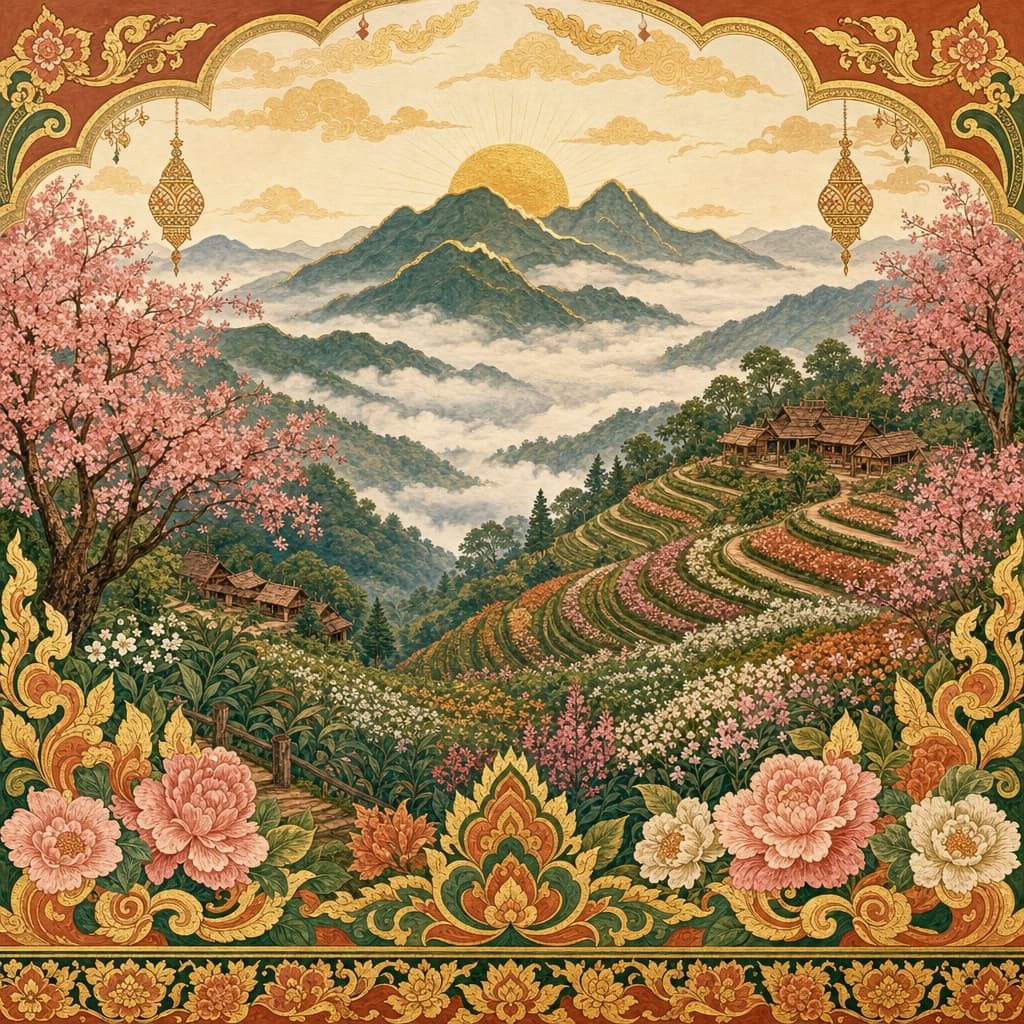
There is a corner of Chiang Mai province where you'll want a jumper at breakfast and a second one before the sun comes up. Doi Ang Khang sits high on a ridge near the Myanmar border, and it feels nothing like the warm city you left behind. Come in winter and you'll find frost on the grass, strawberries in the fields, and a slow river of cloud pooling in the valleys below.
From opium fields to flower terraces
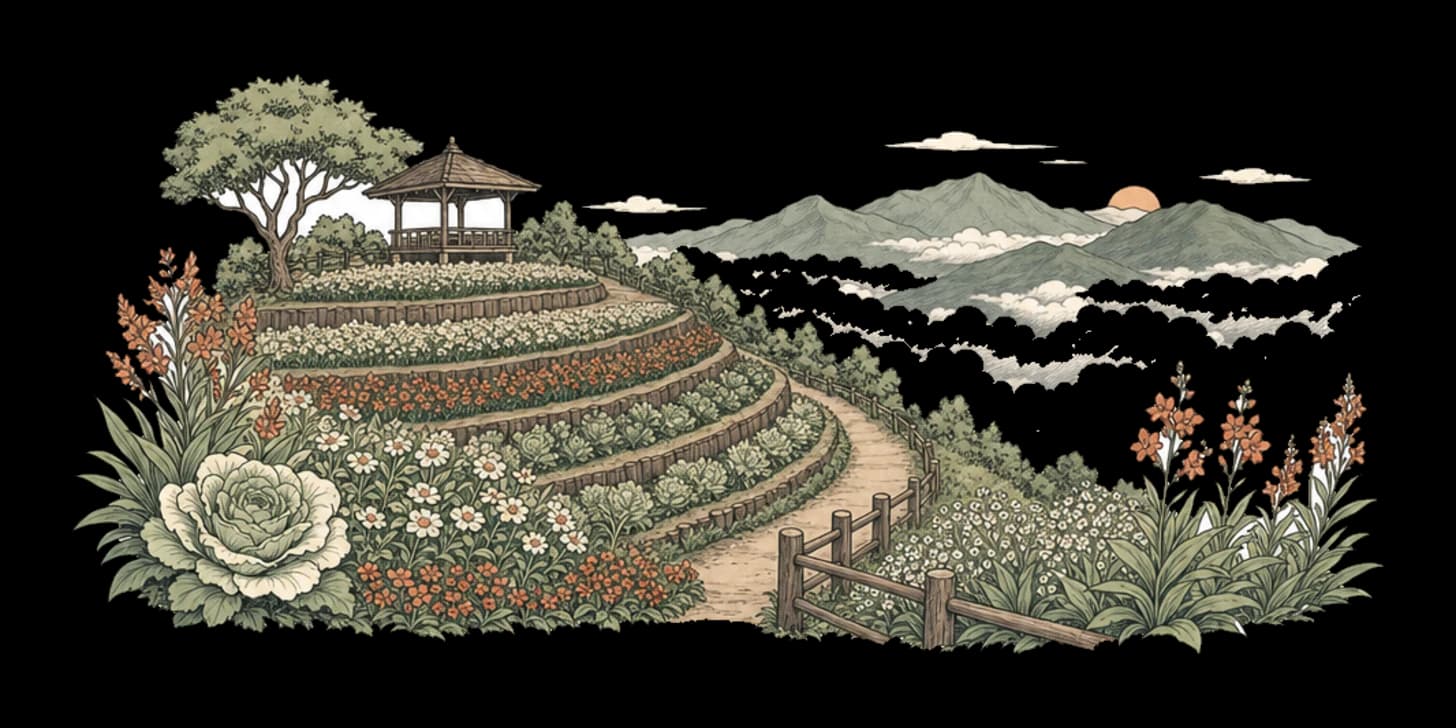
Half a century ago, these slopes were one of the largest opium-growing areas in the country. The change came through the Royal Project — a research station founded in 1969 to give upland farmers a different living. The Royal Agricultural Station Angkhang still anchors the whole mountain, and walking its terraces is the main reason to make the journey.
Up here at around 1,400 metres, the air is cool enough to grow things the lowlands simply can't. You'll see neat rows of temperate flowers, glasshouses of salad leaves, and orchards of peaches, plums, persimmons and strawberries — fruit you almost never taste in tropical Thailand. The bonsai garden and the rose beds are lovely, but it's the sheer oddness of it all that stays with you: a slice of cool-climate farmland perched above the jungle. If the coffee side of highland farming interests you, the same Royal Project thinking shaped many a coffee farm day trip closer to the city.
The cold, the fog and the cherry blossoms
Do not underestimate the chill. Dawn temperatures here regularly drop to single digits, and on the coldest December and January mornings the thermometer can flirt with freezing. Bring proper layers — a fleece, a hat, something windproof. Locals treasure this cold the way the rest of Thailand treasures the sea.
The reward for an early alarm is the famous sea of fog. From the viewpoints along the ridge, you watch the sun lift over the mountains while cloud fills the valleys below your feet, the Thai–Myanmar border ridgelines floating above it like islands. Around January and February, cherry blossoms wash the hillsides pink — Thailand's own modest, magical answer to the blossom season further north. It's the busiest time, and the most beautiful.
Hill-tribe villages and where to stay
Doi Ang Khang is home to several hill-tribe communities, including Lahu and Palaung families, some living right against the border. Their villages are part of the mountain's daily life, not a performance — so visit gently, ask before photographing people, and buy a little produce or handwoven cloth if you can. A short read on the region's hill tribes of northern Thailand will help you arrive with the right context and curiosity.
For where to lay your head, the Royal Project resort is the comfortable choice, with simpler homestays and camping pitches for those who'd rather wake inside the fog. Beds are limited and book out fast in blossom season, so plan ahead. Staying a night is what turns Doi Ang Khang from a long drive into a genuine escape — and it lets you catch both sunset and that unrepeatable sunrise.
Getting there
This is a proper expedition, not a casual outing. Doi Ang Khang lies roughly 170 kilometres north of the city, via Fang, and the drive takes the best part of half a day once you factor in the climb. The final mountain road is short but seriously steep, full of tight hairpins — confident drivers only, and best avoided in the wet. Many visitors fold it into a longer northern loop, pairing it with the Fang hot springs or the riverside town of Tha Ton.
If you'd rather not tackle the wheel, an organised tour or hired driver is the sensible call; our notes on getting around Chiang Mai cover your options. The cool, dry stretch from November to February is by far the best season — the same window that makes when to visit Chiang Mai such an easy question to answer. On the way up or back, the limestone country around Chiang Dao makes a worthy second stop.
Pack your warmest layer, set an early alarm, and let the mountains do the rest. We'll keep the coffee hot for your return.
— The Ada House team
Frequently asked questions
Why is Doi Ang Khang worth the journey?
It sits high on a ridge near the Myanmar border and feels nothing like the warm city. Come in winter and you will find frost on the grass, strawberries in the fields, temperate flower terraces, and a slow river of cloud pooling in the valleys, all anchored by the Royal Agricultural Station Angkhang. The famous sea of fog at dawn is the real reward.
How cold does it actually get?
Do not underestimate the chill. Dawn temperatures regularly drop to single digits, and on the coldest December and January mornings the thermometer can flirt with freezing. Bring proper layers such as a fleece, a hat and something windproof.
When do the cherry blossoms appear?
Around January and February, cherry blossoms wash the hillsides pink, Thailand's own modest and magical answer to the blossom season further north. It is the busiest time and the most beautiful, so beds book out fast then.
How do I get there, and how long does it take?
This is a proper expedition rather than a casual outing. Doi Ang Khang lies roughly 170 kilometres north of the city via Fang, and the drive takes the best part of half a day once you factor in the climb. The final mountain road is short but seriously steep with tight hairpins, so it is confident drivers only and best avoided in the wet, or hire a driver or tour.
Where can I stay overnight?
The Royal Project resort is the comfortable choice, with simpler homestays and camping pitches for those who would rather wake inside the fog. Beds are limited and book out fast in blossom season, so plan ahead. Staying a night lets you catch both sunset and that unrepeatable sunrise.
When is the best season to visit?
The cool, dry stretch from November to February is by far the best, the same window that makes Chiang Mai such an easy season to recommend. You can fold the trip into a longer northern loop, pairing it with the Fang hot springs, the riverside town of Tha Ton, or the limestone country around Chiang Dao.