Practical tips · June 19, 2026
Grocery shopping in Chiang Mai: markets to supermarkets
By The Ada House team
Feeding yourself in Chiang Mai is easy and cheap — if you know where to go. The choice runs from ultra-local fresh markets to import-stocked supermarkets, with convenience stores and delivery apps filling the gaps. Here's how to stock your kitchen at any budget.
Fresh markets: cheapest and most fun
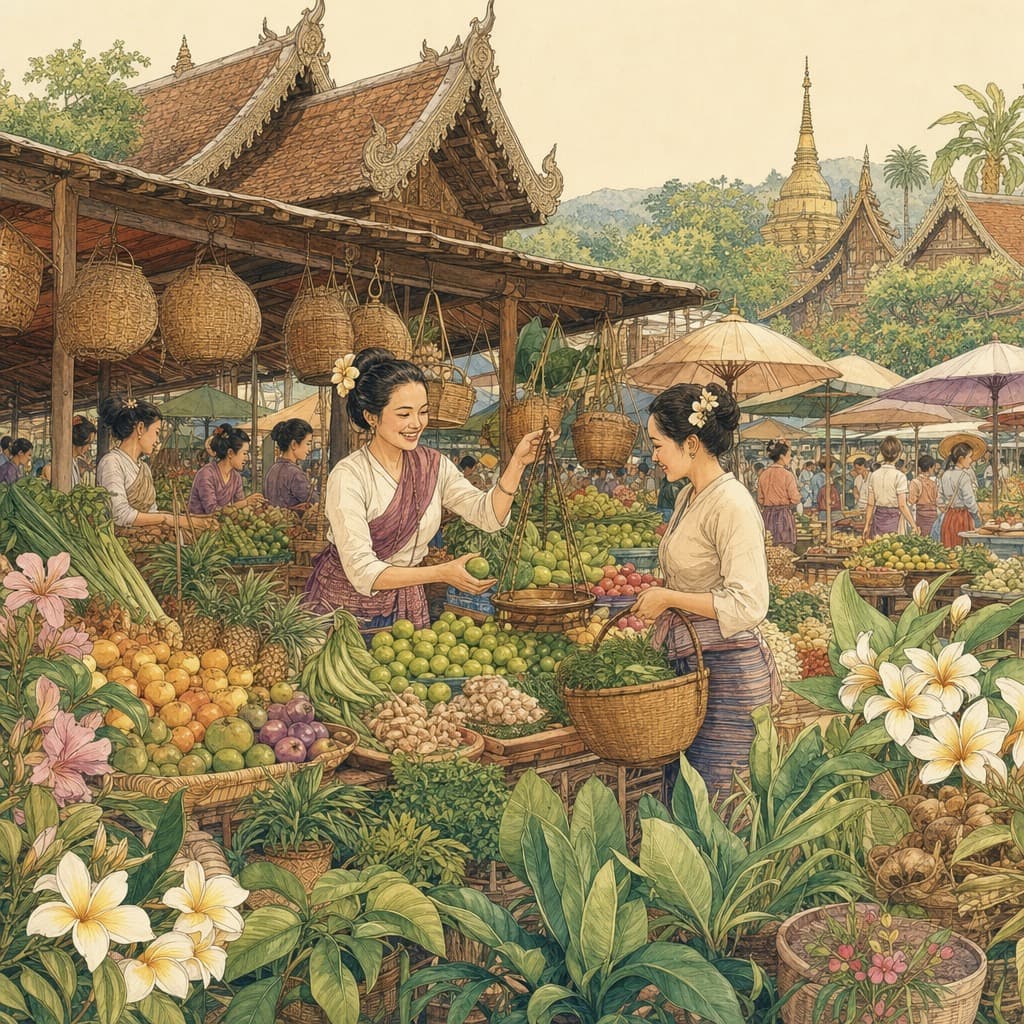
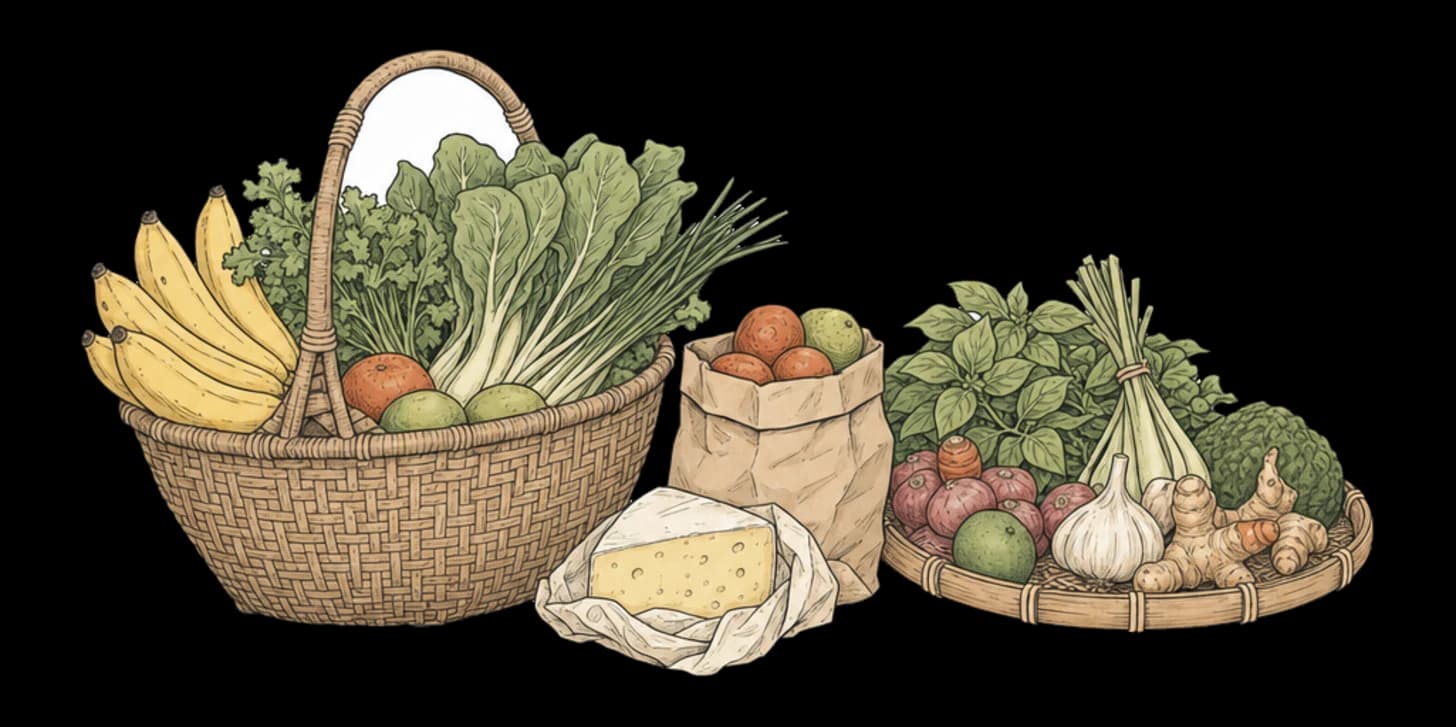
Traditional markets (talat) are where your money goes furthest for fruit, veg, herbs, eggs, meat and ready-made food. Muang Mai (near Warorot) is the big produce hub; Warorot/Kad Luang mixes fresh and dried goods; and nearly every neighbourhood has a morning market that's the best everyday value. Expect prices like a bunch of bananas for 15–20 THB or mangoes at 30–45 THB/kg.
A few habits: bring cash (small notes) and a reusable bag, and know that locals generally don't haggle on everyday food — you just pay the posted or quoted price. Many stalls also sell cooked curries and rice dishes for 40–70 THB, one of the cheapest ways to eat at all.
Supermarkets, from budget to upmarket
When you want aisles and air-con:
- Rimping — the upmarket one; best for imported cheese, good bread, European/American brands and health products. Priciest.
- Tops — mid-range; a tidy mix of Thai staples and Western favourites.
- Big C / Lotus's — big-box hypermarkets for cheap everyday staples and household goods.
- Makro — wholesale/bulk; great for big bags of rice or multipacks, ideal for a shared kitchen.
Rough rule: markets < Makro/Big C/Lotus's < Tops/Rimping on price. Imports cost a premium everywhere.
Convenience stores
7-Eleven (and Mini Big C, Lotus's Go Fresh) are on nearly every street, open late, good for snacks, drinks, ready meals, toiletries, SIM top-ups and even bill payments. Handy and quick — just pricier than markets for the same thing.
Imported & Western products
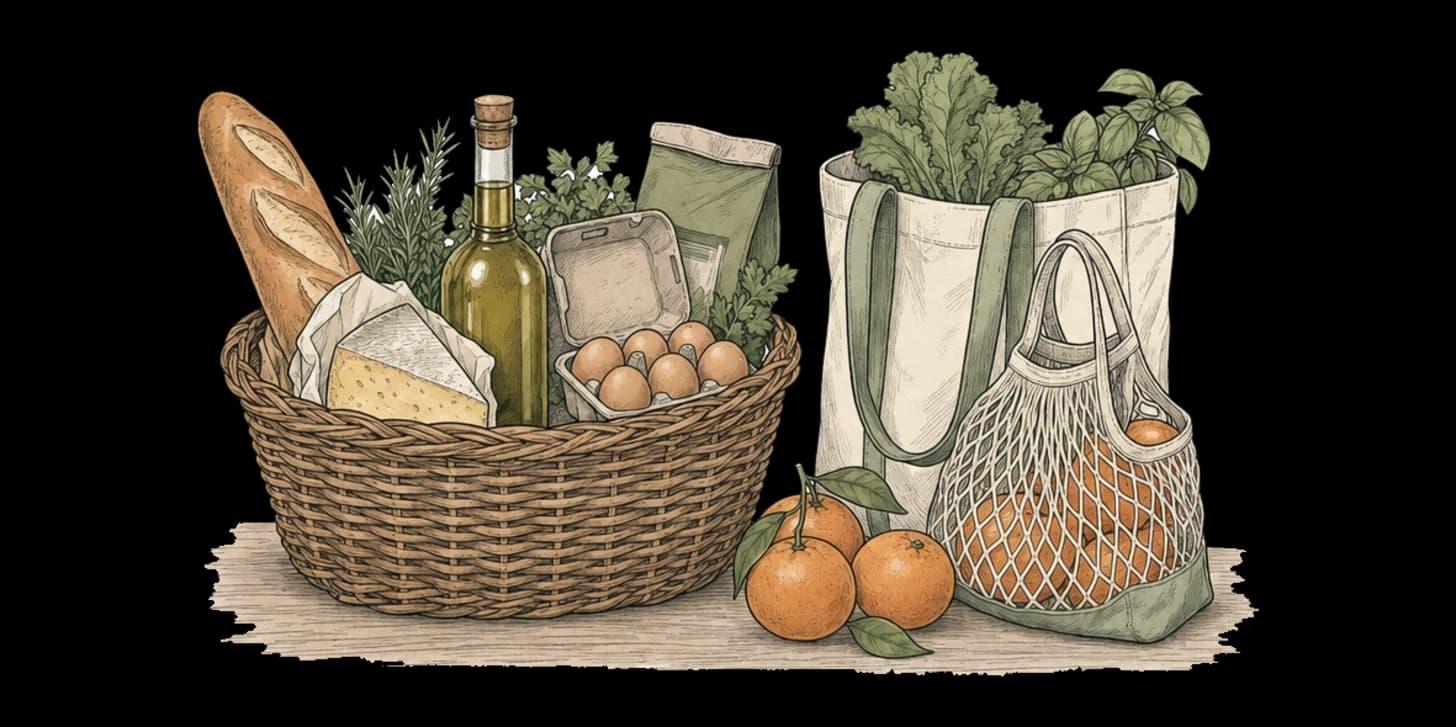
You can find pasta, cereal, olive oil, sauces, chocolate and peanut butter readily at Rimping and Tops — but at a premium (a box of Western cereal can be eye-watering). Cheese runs ~200–300 THB for a small block, and imported wine and spirits carry steep markups. The honest takeaway: cook with local Thai ingredients and your food bill stays tiny; chase home-country brands and it climbs fast.
Health, organic & specialty
Chiang Mai has a growing crop of organic shops, health-food stores and vegan groceries, especially around expat and nomad areas. The weekend Jing Jai (JJ) market is the spot for organic produce and farm-to-table stalls, and health stores carry bulk grains, nuts and non-dairy milks. If you eat plant-based, pair this with our vegan & vegetarian guide.
Delivery, and our honest take
Grab and supermarket apps deliver groceries (and cooked meals) to your door — a lifesaver in rainy season or on a heads-down work day. But here's the thing most long-stayers discover: eating out is often cheaper than cooking. A great local meal is 40–75 THB, so many guests cook little and graze the city instead — see our Northern Thai food guide.
If you do cook, the winning pattern is simple: fresh produce from the market, then top up at a supermarket for dairy, grains and Western seasonings. Prices and stock shift with the season, so treat the numbers here as ballparks. Settle in, find your nearest morning market — ask us which one's closest — and weigh it all against your monthly budget.
Frequently asked questions
Where can I buy groceries most cheaply?
Traditional fresh markets (talat) are where your money goes furthest for fruit, veg, herbs, eggs, meat and ready-made food. Muang Mai is the big produce hub, Warorot mixes fresh and dried goods, and nearly every neighbourhood has a morning market that is the best everyday value, with prices like a bunch of bananas for 15 to 20 THB.
Should I haggle at the markets?
Locals generally do not haggle on everyday food, so you simply pay the posted or quoted price. It helps to bring cash in small notes and a reusable bag, and many stalls also sell cooked curries and rice dishes for 40 to 70 THB, one of the cheapest ways to eat at all.
Which supermarket should I choose?
Rimping is the upmarket one and best for imported cheese, good bread and European or American brands, while Tops is a tidy mid-range mix of Thai staples and Western favourites. Big C and Lotus's are big-box hypermarkets for cheap everyday staples, and Makro is wholesale and great for big bags of rice, ideal for a shared kitchen. Roughly, markets are cheapest, then Makro, Big C and Lotus's, then Tops and Rimping.
Can I find Western and imported products?
Yes, you can find pasta, cereal, olive oil, sauces, chocolate and peanut butter readily at Rimping and Tops, but at a premium, and imported wine and spirits carry steep markups. The honest takeaway is that cooking with local Thai ingredients keeps your food bill tiny, while chasing home-country brands makes it climb fast.
Where do I find organic or health food?
Chiang Mai has a growing crop of organic shops, health-food stores and vegan groceries, especially around expat and nomad areas. The weekend Jing Jai (JJ) market is the spot for organic produce and farm-to-table stalls, and health stores carry bulk grains, nuts and non-dairy milks.
Is it cheaper to cook or to eat out?
Here is what most long-stayers discover: eating out is often cheaper than cooking, with a great local meal costing 40 to 75 THB, so many guests cook little and graze the city instead. If you do cook, the winning pattern is fresh produce from the market topped up at a supermarket for dairy, grains and Western seasonings. Prices and stock shift with the season, so treat any numbers as ballparks.