Health & wellness · June 28, 2026
Glasses in Chiang Mai: Eye Tests, Frames and Why Expats Stock Up Here
By The Ada House team
If you've spent the past year squinting at your laptop and quietly dreading what a new pair of glasses costs back home, Chiang Mai is about to feel like a small gift. Getting your eyes tested and a fresh pair of spectacles made up here is one of those everyday wins expats rarely shout about: fast, friendly, and a fraction of what you'd pay in the UK, the US or Australia. Whether you need your first reading glasses or a complicated progressive prescription, here's how it works and what to expect.
Why expats quietly rate it
The appeal comes down to three things — price, speed and quality — and Chiang Mai delivers on all of them. A complete pair of glasses that might cost the equivalent of several hundred pounds or dollars at home can often be made up here for a small share of that, with lenses ground by the same big international manufacturers you'd find anywhere. The eye test itself is usually free when you buy frames, and a straightforward pair can be ready the same day. It sits alongside the city's wider reputation as a place where good-value dental care and broader healthcare draw people in for treatment they've been putting off — eyewear is simply the quietest corner of that story, and one of the reasons the overall cost of living stretches so far.
Where the opticians cluster
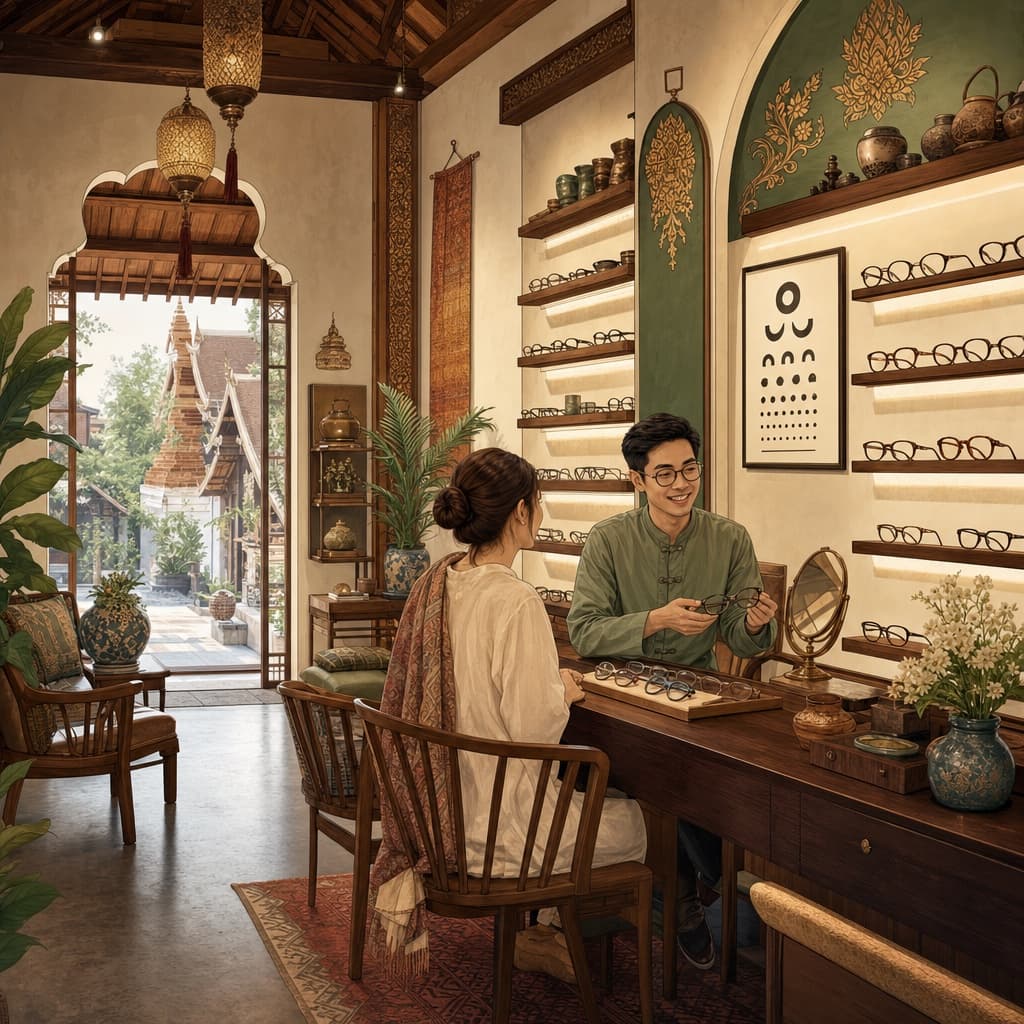
You're never far from an optician here. The big national chains are everywhere: Top Charoen Optical is the giant, with well over two thousand branches across Thailand and a counter in nearly every shopping centre, while Better Vision has been running since the 1960s and staffs its shops with licensed optometrists. ISOPTIK is the name to know for higher-end and specialist lenses. You'll find these and their rivals inside the major malls — Central Festival, Maya, Central Airport Plaza and the rest — which makes browsing easy if you're already there for groceries and shopping. Beyond the malls, independent optical shops dot the Old City and the streets around the Warorot Market area, where prices can be keener and the service more personal. All of them are simple to reach on a quick hop through the city's transport options.
What an eye test actually involves
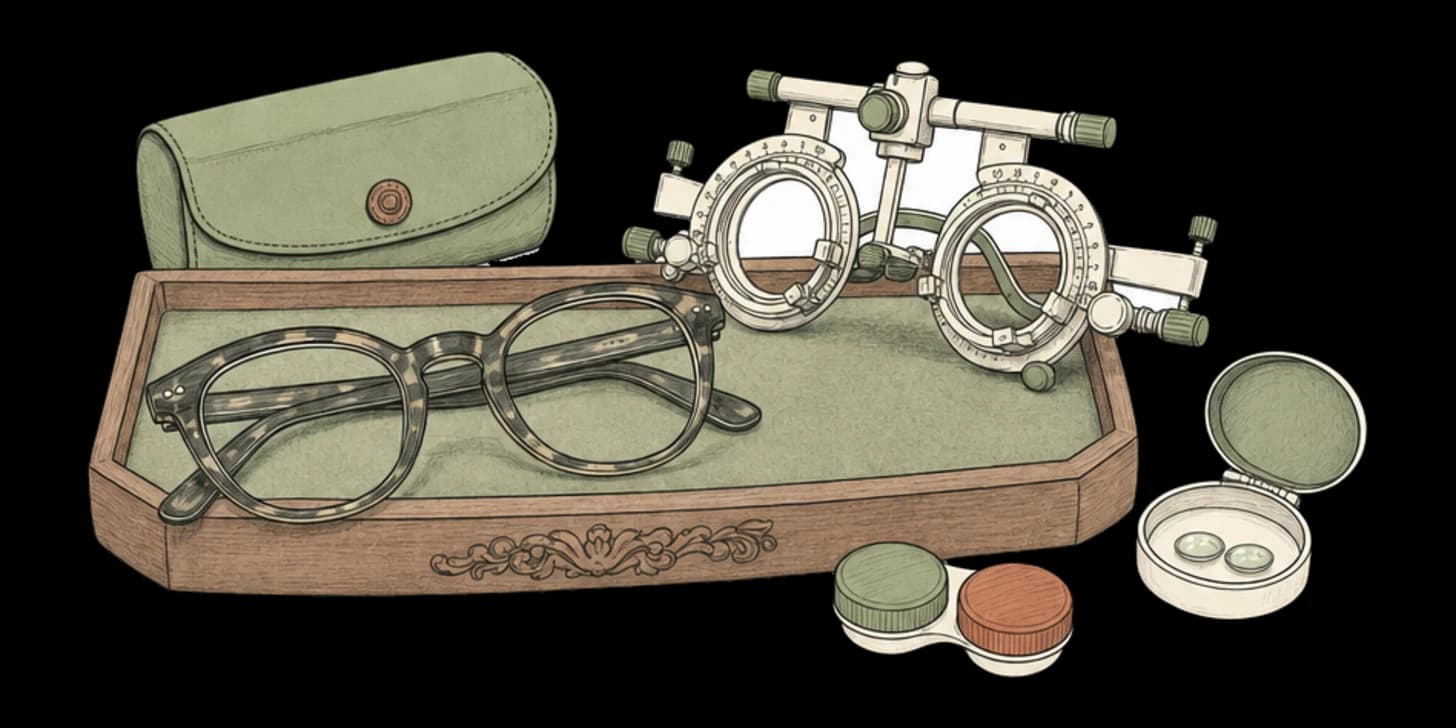
Walk in, and most shops will sit you down for a refraction test on the spot — the familiar routine of reading a chart and clicking through lens options until things snap into focus. Many opticians also have an autorefractor for a quick objective reading. The crucial detail for your budget: a standalone eye exam might run somewhere around a thousand to fifteen hundred baht, but the fee is almost always waived, or simply free, the moment you buy a pair of glasses. English is widely spoken at the chain stores and in expat-favoured shops, so the test rarely feels lost in translation. If your prescription is more than a year old, expect them to want a fresh check — and that's a good thing.
Frames, lenses and the coatings worth paying for
This is where the savings really show. Frames span the full range, from budget house brands to designer names, and you can put a perfectly good complete pair together for not very much at all. The lenses are where you'll make your real decisions, and a few upgrades are genuinely worth the extra baht:
- Anti-reflective coating — cuts glare and reflections; almost always worth it.
- Blue-light filtering — popular if you stare at screens all day.
- Photochromic lenses that darken in sunlight, handy in the tropics.
- High-index thin lenses for stronger prescriptions, so they don't look like bottle bottoms.
- Progressives (varifocals), which need a careful fitting and cost more.
Contacts, sunglasses and same-day turnaround
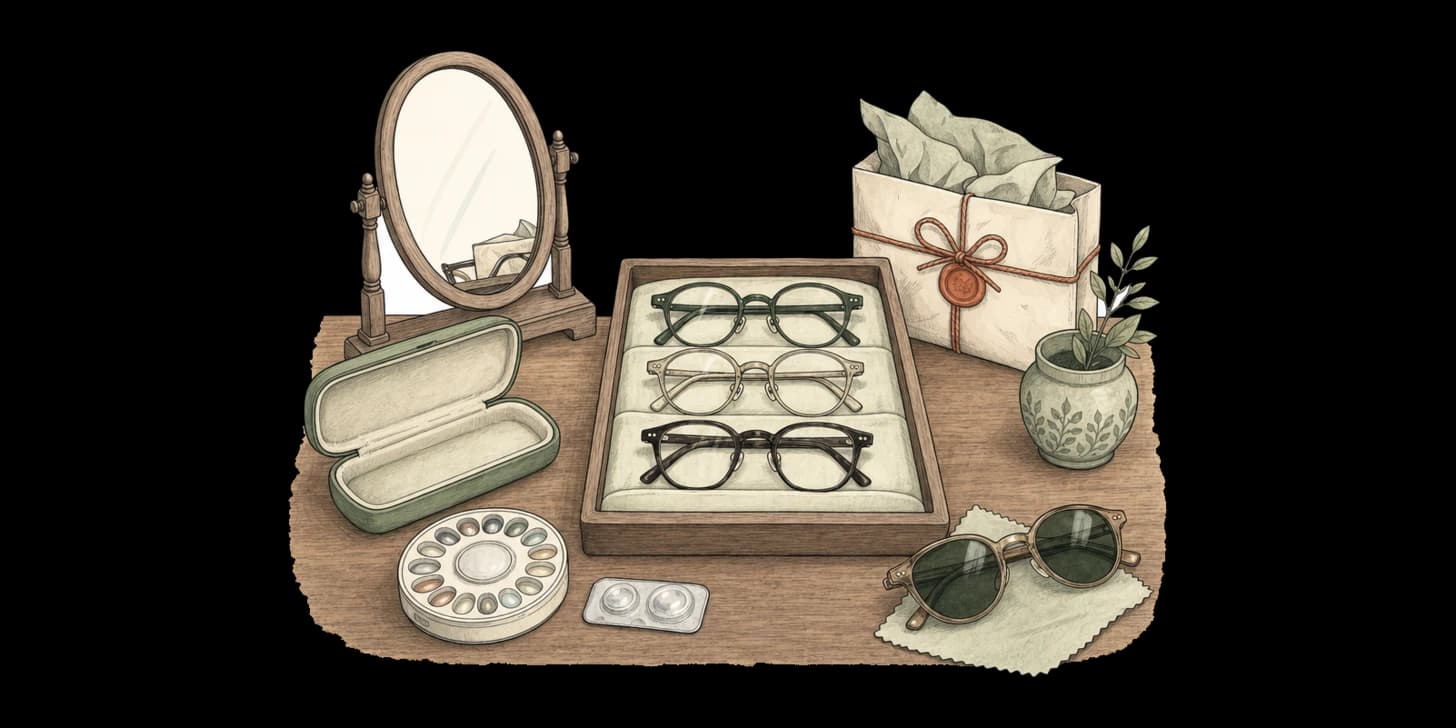
A simple single-vision pair is often ready within a couple of hours or by the end of the day; progressives and specialist coatings usually mean a wait of a day or two while the lenses are made up. Prescription sunglasses are a favourite here for obvious reasons — the light is fierce — and having a tinted pair made to your own prescription costs a fraction of what it would elsewhere. Contact lenses are easy to buy too, with the familiar daily and monthly brands stocked at most opticians and pharmacies, usually cheaper by the box than at home. If your eyes are sensitive in the dry season or after a long day in air-conditioning, a good optician can point you to the right comfort drops, and the city's gentler traditional remedies are there for general wellbeing too.
Prices vs back home, and a few honest tips
As a rough guide, a complete everyday pair tends to land somewhere in the low thousands of baht, while progressives with premium coatings climb into the high single-digit thousands — still well under typical Western prices, but not the bargain-basement figure some people imagine. The premium lens add-ons are where the bill grows, so budget for them rather than being surprised at the till. Bring your current prescription if you have one, double-check the fit and centring before you pay (a poorly aligned progressive lens will give you headaches), and don't be shy about comparing a mall chain against an independent shop. A little gentle bargaining is fair game at the independents. Sort your eyes out early after you arrive — it's one of those small, satisfying jobs that makes settling in here feel that much sharper.
Frequently asked questions
Why do expats rate getting glasses in Chiang Mai?
It comes down to price, speed and quality. A complete pair that might cost several hundred pounds or dollars at home can often be made up here for a small share of that, with lenses ground by the same big international manufacturers. The eye test is usually free when you buy frames, and a straightforward pair can be ready the same day.
Where do I find opticians?
You are never far from one. Big national chains like Top Charoen Optical and Better Vision have counters in nearly every shopping centre, and ISOPTIK is the name for higher-end and specialist lenses. You will find them inside the major malls, while independent shops around the Old City and the Warorot Market area can be keener on price and more personal.
What does an eye test involve, and does it cost extra?
Most shops will sit you down for a refraction test on the spot, reading a chart and clicking through lens options, and many have an autorefractor for a quick objective reading. A standalone exam might run somewhere around a thousand to fifteen hundred baht, but the fee is almost always waived the moment you buy a pair of glasses. English is widely spoken at the chains and expat-favoured shops.
Which lens upgrades are worth paying for?
A few are genuinely worth the extra baht: anti-reflective coating to cut glare, blue-light filtering if you stare at screens, photochromic lenses that darken in the tropical sun, high-index thin lenses for stronger prescriptions, and progressives, which need a careful fitting and cost more. Budget for these add-ons rather than being surprised at the till.
How quickly can my glasses be ready?
A simple single-vision pair is often ready within a couple of hours or by the end of the day, while progressives and specialist coatings usually mean a wait of a day or two while the lenses are made up. Prescription sunglasses and contact lenses are easy to sort too, both typically far cheaper than at home.
Any honest tips before I pay?
Bring your current prescription if you have one, and double-check the fit and centring before you pay, since a poorly aligned progressive lens will give you headaches. Do not be shy about comparing a mall chain against an independent shop, where a little gentle bargaining is fair game.