Practical tips · June 29, 2026
Thai public holidays: what closes, the alcohol ban, and how to plan around it
By The Ada House team
Thailand keeps a busy calendar of public holidays, and most of the time they pass by pleasantly — a quieter street, a long weekend, a temple busier than usual. But a few of them carry real, practical consequences: the banks shut, the immigration office closes, and on certain days the shops simply won't sell you a beer. Knowing which is which saves you a wasted trip across town or a dry dinner you didn't plan for. Here's how the year actually works on the ground in Chiang Mai.
The holidays you can set your watch by
A good chunk of the calendar sits on fixed dates, so you can plan around these well ahead:
- New Year's Day (1 January) — usually padded with an extra government day off either side.
- Chakri Memorial Day (6 April) — honours the founding of the current royal dynasty.
- Songkran (13–15 April) — the Thai New Year and the year's biggest event, when the whole moat becomes a three-day water fight. We've a full Songkran survival guide for that one.
- Labour Day (1 May) and Coronation Day (4 May).
- The Queen's Birthday (3 June) and the King's Birthday (28 July).
- Mother's Day (12 August) and Father's Day (5 December) — the birthdays of the Queen Mother and the late King Bhumibol, observed warmly nationwide.
- Chulalongkorn Day (23 October) and Constitution Day (10 December).
The Buddhist holy days that move each year
Three of the most important holidays don't sit on a fixed date at all — they follow the lunar calendar, so they shift every year. Check them annually rather than assuming:
- Makha Bucha (around February–March)
- Visakha Bucha (around May–June), marking the Buddha's birth, enlightenment and passing
- Asanha Bucha (around July), followed immediately by Khao Phansa, the start of Buddhist Lent — the three-month "rains retreat" when monks stay close to their temples.
These are the country's most sacred days. Temples fill with people making merit and walking candle-lit circles around the chedi at dusk; it's a gentle, beautiful thing to witness if you're quietly respectful about it. Our guide to Thai Buddhism explains what's going on, and a quick read on Thai etiquette covers how to behave at a temple. They also come with one rule that trips up almost every newcomer.
The alcohol ban that surprises everyone
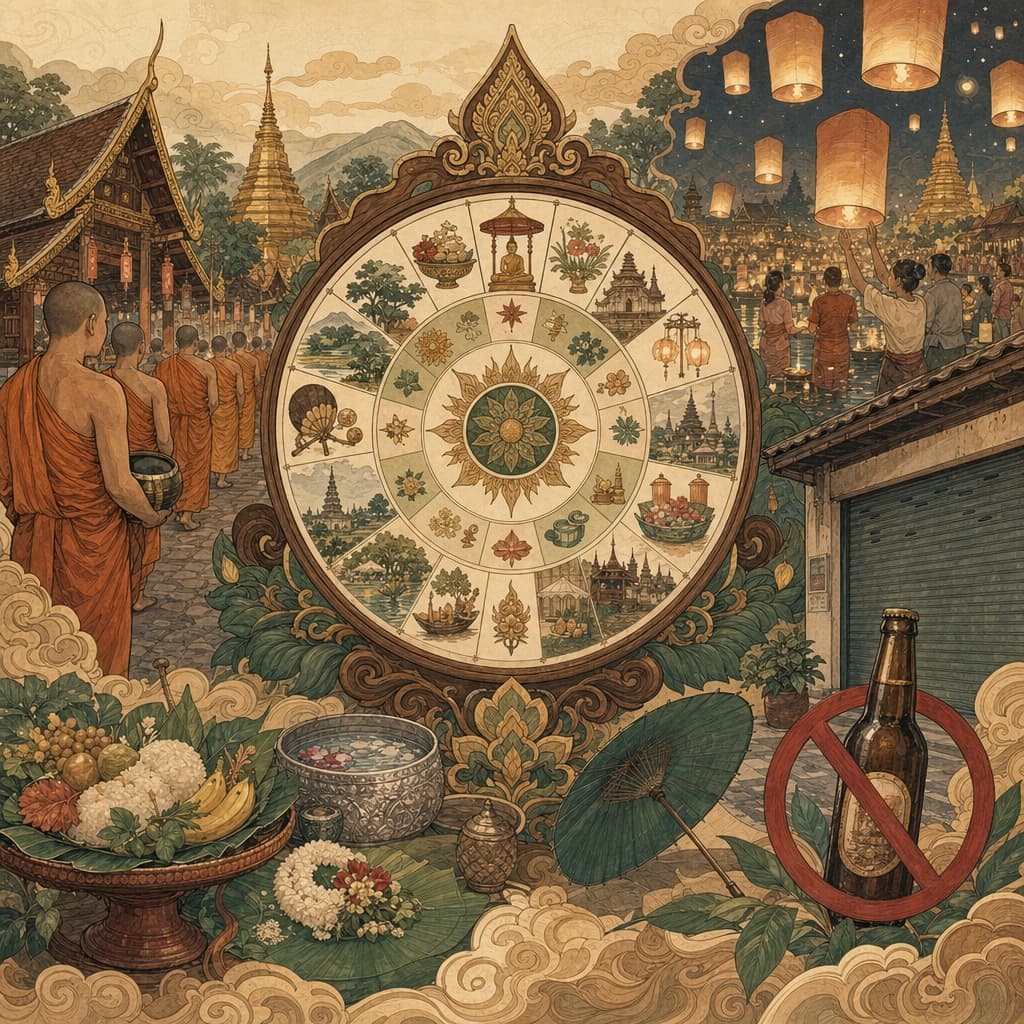
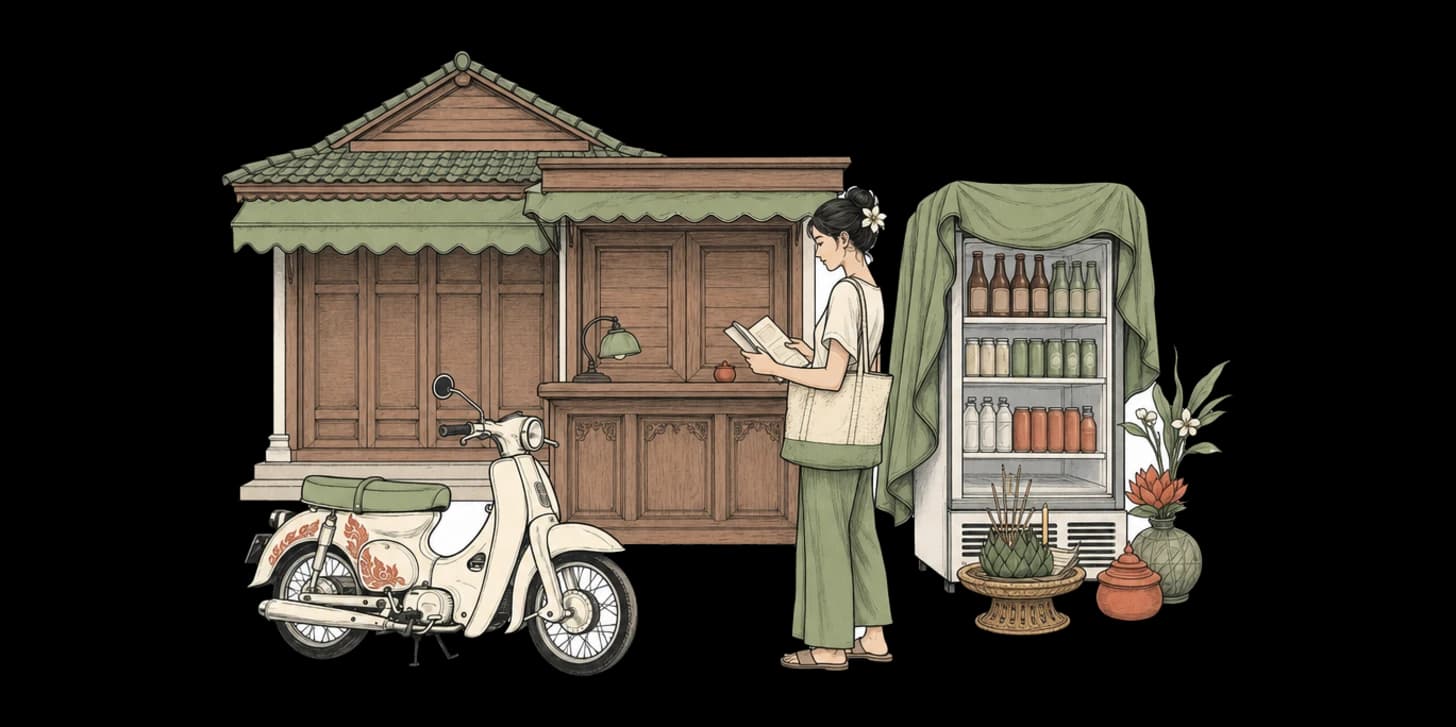
On each of those four Buddhist holy days — Makha Bucha, Visakha Bucha, Asanha Bucha and Khao Phansa — the sale of alcohol is banned nationwide, from midnight to midnight. That means 7-Eleven, the supermarkets, the bars and most restaurants won't sell you a drink all day. It catches people out every single time: you wander down for a sundowner and find the beer fridge roped off or padlocked. The same ban applies on election days, usually from 6pm the evening before until the polls close.
A couple of things worth knowing. The ban is on selling, not on drinking — anything already in your fridge at Ada House is fine. Some licensed hotel bars quietly serve guests anyway, but don't count on it. And quite separately from the holidays, Thailand restricts everyday alcohol sales to roughly 11am–2pm and 5pm–midnight, which surprises people doing an afternoon shop. If a holy day is coming up and you'd like a drink with dinner, simply buy it the day before. Our craft beer and nightlife guide covers where to drink the rest of the time.
Banks, immigration and your visa errands
This is the one that genuinely costs you time. On every public holiday the banks close, and so do all government offices — including the immigration bureau out at Promenada. If you need to file a 90-day report or sort out a visa run or extension, check the holiday calendar first. Turning up to a shuttered immigration office on Chakri Day is a classic rookie error, and the queues the morning after a long weekend are brutal. The same goes for anything at a bank counter — opening an account, a large transfer, signing paperwork. ATMs and banking apps keep working, but the counters don't, so plan around it; our money and banking guide is worth a look before you do. One more wrinkle: when a holiday falls on a weekend, the government usually grants a substitution day off on the Monday, which closes everything all over again.
What actually stays open
The good news is that day-to-day life barely pauses. The big malls — Central, MAYA, the night bazaar — stay open right through, often with holiday events laid on. The 7-Elevens and family marts never close (just no alcohol on ban days). Restaurants, street stalls, cafés, markets, Grab, songthaews and the airport all run as normal, and pharmacies and private hospitals keep going too. In practice, unless you specifically need a bank, a government office or a beer on a holy day, you may not notice anything beyond a happier, busier city.
Plan around the calendar, not against it
Several public holidays double as Chiang Mai's finest festivals, which is the real reason to time a visit well. Songkran in April, the Vegetarian Festival in autumn and the lantern nights of Yi Peng all land on or near these dates — our festivals calendar maps the whole year so you can pick your moment. Keep a holiday calendar handy, run your bank and visa errands a few days early, and stock the fridge before a holy day. Do those three small things and the Thai calendar becomes a pleasure to live by rather than a puzzle to trip over.
Frequently asked questions
Can I buy alcohol on Buddhist holy days in Chiang Mai?
No — on each of the four Buddhist holy days (Makha Bucha, Visakha Bucha, Asanha Bucha and Khao Phansa), the sale of alcohol is banned nationwide from midnight to midnight. That means 7-Eleven, the supermarkets, the bars and most restaurants won't sell you a drink all day, and the same applies on election days. The ban is on selling, not on drinking, so anything already in your fridge at Ada House is perfectly fine — if a holy day is coming up, just buy your bottle the day before.
Do the banks and immigration office close on public holidays?
Yes, and this is the one that genuinely costs you time. On every public holiday the banks close, and so do all government offices — including the immigration bureau out at Promenada. If you need to file a 90-day report, sort a visa extension, or do anything at a bank counter, check the holiday calendar first and run those errands a few days early. ATMs and banking apps keep working, but the counters don't.
What actually stays open during a Thai public holiday?
Happily, day-to-day life barely pauses. The big malls like Central, MAYA and the night bazaar stay open right through, often with holiday events laid on, and the 7-Elevens and family marts never close — just no alcohol on ban days. Restaurants, street stalls, cafes, markets, Grab, songthaews, the airport, pharmacies and private hospitals all run as normal, so unless you specifically need a bank, a government office or a beer on a holy day, you may not notice much beyond a happier, busier city.
When is Songkran?
Songkran, the Thai New Year, falls on a fixed date every year: 13 to 15 April. It's the year's biggest event, when the whole moat becomes a three-day water fight, so it's wonderfully easy to plan around well ahead. We've a full Songkran survival guide on the blog if you'd like to make the most of it.
Do Thai public holiday dates change each year?
Some do and some don't. A good chunk of the calendar sits on fixed dates you can set your watch by — New Year's Day, Chakri Memorial Day, Songkran, Labour Day and the rest. But the three most important Buddhist holy days — Makha Bucha, Visakha Bucha and Asanha Bucha — follow the lunar calendar and shift every year, so please check those annually rather than assuming. One more wrinkle: when a holiday falls on a weekend, the government usually grants a substitution day off on the Monday.