Move here · June 29, 2026
Getting Married in Thailand: A Foreigner's Honest Guide
By The Ada House team
So you have decided to marry in Thailand. Congratulations, truly. Whether you are marrying a Thai partner or another foreigner who fell for this country, it is a lovely chapter to begin in Chiang Mai. One gentle word before we start: what follows is general information, not legal advice. Rules, fees and the exact documents vary by nationality and change without much fanfare, so always confirm the current requirements with your own embassy, the district office, and, for anything complex, a reputable Thai lawyer. With that said, here is the honest picture as we understand it.
The ceremony and the paperwork are two different things
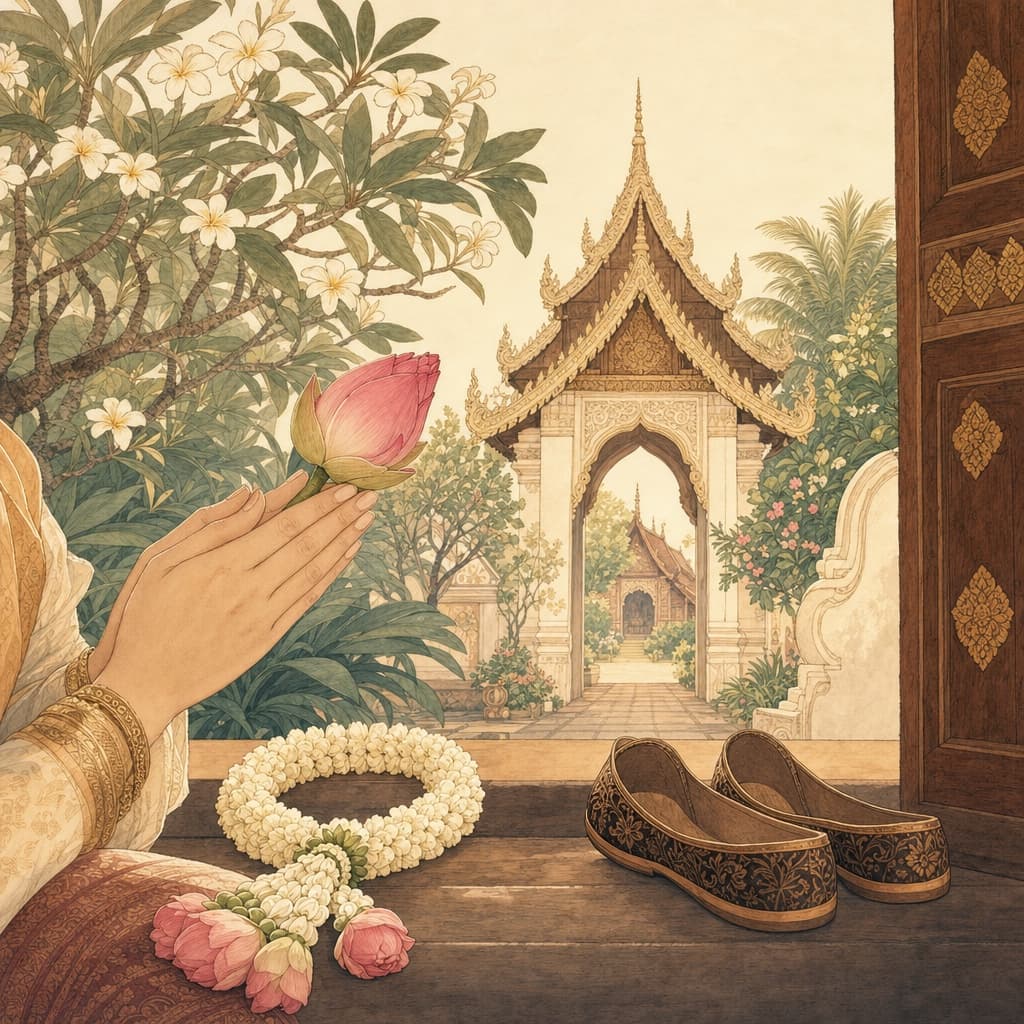
This trips up almost everyone, so let us say it plainly. A temple blessing, a Lanna-style ceremony with monks, flower garlands and a string-tying ritual is beautiful and deeply meaningful, but it does not make you legally married. What makes a marriage legal in Thailand is registration at a government district office. The two can happen on the same day or weeks apart; many couples handle the legal bit quietly, then celebrate properly. If you are planning a ceremony, a little reading on Thai etiquette goes a long way, and a khantoke dinner makes a warm, very Chiang Mai reception.

Step one: an affirmation of freedom to marry
For a foreigner, the trail usually begins in Bangkok. Your embassy or consulate issues an affirmation (sometimes called an affidavit) of freedom to marry, a sworn statement confirming you are single and legally free to wed. You will generally need your passport, and, if you have been married before, your divorce decree or your former spouse's death certificate. Some embassies want you to swear it in person, some require it to be notarised, and a few add a short waiting or publication period, so book ahead and ask exactly what your country expects. This single document is the hinge the rest of the process turns on.
Step two: translation and legalisation
Your affirmation will be in your own language, and Thai officials need it in Thai. So the next step is a certified translation, followed by legalisation at the Thai Ministry of Foreign Affairs (the Legalisation Division of its Department of Consular Affairs, in Bangkok). They check the translation against the original and apply an official stamp that tells any Thai authority the document is genuine and accepted. It is fiddly rather than difficult, and it is the stage where a little patience, or a trustworthy agent, saves a lot of queuing. A few words of the language never hurt either.
Step three: registering at the amphoe
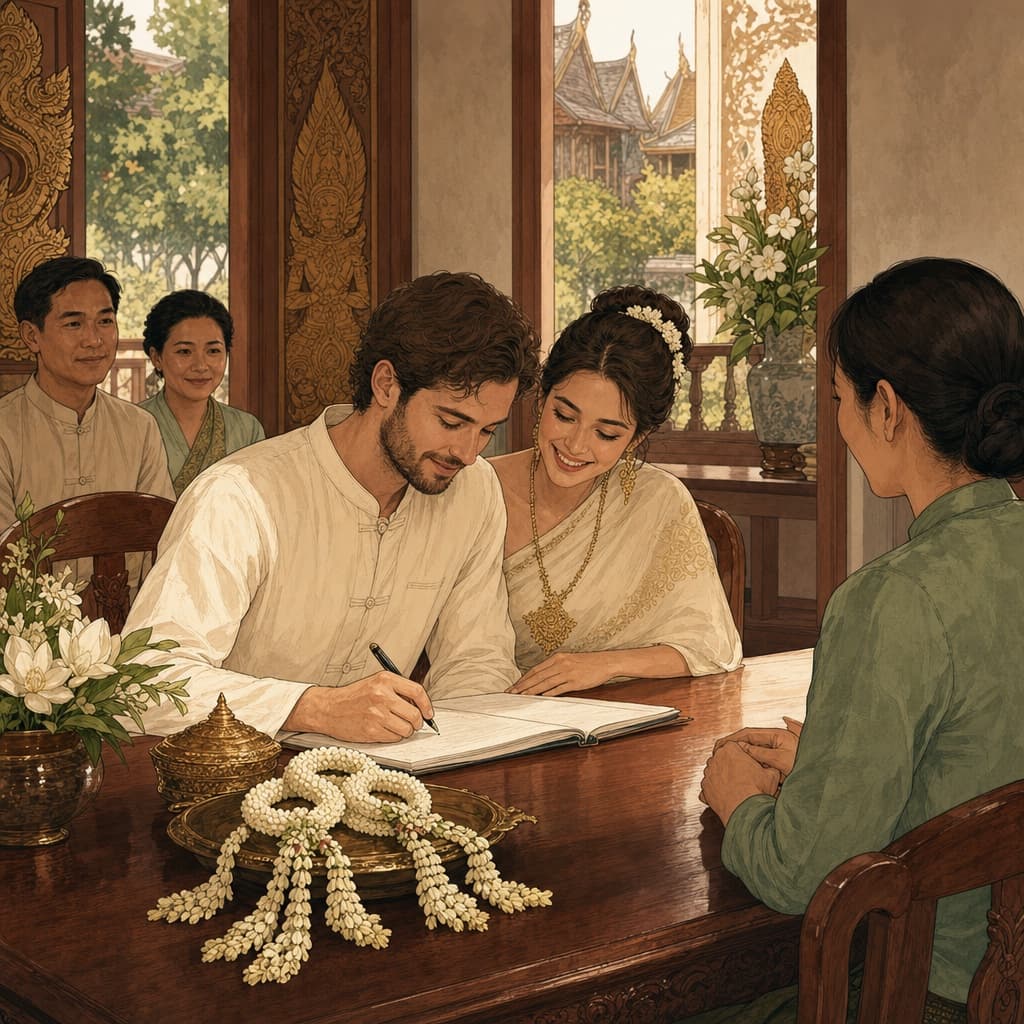
Now the part that actually marries you. You take your stamped, translated documents to any amphoe (district office, called a khet in Bangkok) anywhere in Thailand, including right here in Chiang Mai. You sign the register before two witnesses, the registrar records it, and you walk out with an official Thai marriage certificate. That is it. It is the amphoe, not the temple, that makes the marriage real in the eyes of the law, and a Thai marriage, once registered, is recognised internationally. Witnesses can be friends or family; if you are newer to the city, our notes on making friends in Chiang Mai may help you find two warm faces.

What it means for your visa
Marriage opens a door, but it is not an automatic right to stay. The common follow-on is the marriage visa (the non-immigrant "O" based on marriage to a Thai national), which lets a foreign spouse live here long term. It typically carries a financial requirement, generally either a sum held in a Thai bank account or a proven monthly income, but the exact figures shift with policy, so please confirm the current threshold rather than trusting any number you read online, including ours. You will want a Thai bank account in place, and once you are living here on a long-stay visa, the routine ninety-day report becomes part of life. If marriage is not your route, our guides to the DTV visa and to retiring in Chiang Mai cover the alternatives.
Prenuptial agreements, and doing it calmly
One practical detail worth flagging: if you want a prenuptial agreement to be valid under Thai law, it must be registered at the same time as the marriage itself, at the same amphoe, with witnesses. You cannot tidy it up afterwards, so decide early and, given how this interacts with property and inheritance, take proper advice. It matters all the more if you later plan on buying property together.
None of this should overshadow the happy part. Handle the paperwork without drama, then turn to the things that make a Chiang Mai wedding sing, the garlands, the Lanna handicrafts, the long northern lunch with everyone you love. If you are still finding your feet here, our thoughts on settling in may help the rest fall into place. Confirm the details, breathe, and enjoy it. We will keep the kettle on.
Frequently asked questions
Does a temple wedding make us legally married in Thailand?
We are afraid not, and this trips up almost everyone. A temple blessing or a Lanna-style ceremony with monks, garlands and a string-tying ritual is beautiful and deeply meaningful, but it does not make you legally married. What makes a marriage legal here is registration at a government district office, which can happen the same day or weeks apart from the ceremony. Do confirm the current requirements with your own embassy and the district office before you set dates.
What are the steps for a foreigner to marry in Thailand?
As we understand it, the trail usually begins in Bangkok with an affirmation of freedom to marry, a sworn statement from your embassy or consulate confirming you are single and free to wed. That document is then translated into Thai and legalised at the Thai Ministry of Foreign Affairs, before you finally register the marriage at a district office. Please treat this as general information rather than legal advice, as rules and documents vary by nationality. Always confirm the exact steps with your embassy and, for anything complex, a reputable Thai lawyer.
Can we register our marriage at any district office?
Yes, once your documents are translated and legalised, you can take them to any amphoe (district office, called a khet in Bangkok) anywhere in Thailand, including right here in Chiang Mai. You sign the register before two witnesses, the registrar records it, and you walk out with an official Thai marriage certificate. It is the amphoe, not the temple, that makes the marriage real in the eyes of the law, and a registered Thai marriage is recognised internationally. Your witnesses can simply be friends or family.
Does getting married give me the right to stay in Thailand?
Marriage opens a door, but it is not an automatic right to stay. The common follow-on is the marriage visa, the non-immigrant O based on marriage to a Thai national, which lets a foreign spouse live here long term. It typically carries a financial requirement, generally either a sum held in a Thai bank account or a proven monthly income, but the exact figures shift with policy. Please confirm the current threshold with the authorities rather than trusting any number you read online, including ours.
When do we need to sort out a prenuptial agreement?
This is one practical detail worth flagging early. If you want a prenuptial agreement to be valid under Thai law, it must be registered at the same time as the marriage itself, at the same amphoe, with witnesses. You cannot tidy it up afterwards, so decide early, and given how this interacts with property and inheritance, do take proper advice from a reputable Thai lawyer.