Local culture · June 27, 2026
Kathoey: understanding Thailand's third gender, with respect
By The Ada House team
Spend a little time in Chiang Mai and you'll meet them — at the salon chair, behind the café counter, running a night-market stall, or on stage under bright lights. Thailand's kathoey, often called "ladyboys" by visitors, are one of the most visible and most misunderstood parts of Thai life. Here's who they really are, the culture behind them, and how to be a good guest.
What "kathoey" actually means
Kathoey (กะเทย) is a broad Thai umbrella term, usually for people assigned male at birth who live and present femininely — trans women, and sometimes very feminine gay men. The word once meant something closer to "intersex" and has shifted over time; there's no neat English equivalent.
You'll also hear the gentler phu ying praphet song (ผู้หญิงประเภทสอง), literally "second-type woman", and many Thais simply speak of a third gender, phet thi sam. The tourist word "ladyboy" is everywhere, but it's informal and can flatten a whole range of real people into a sexualized spectacle. In Thai — and in a guide like this — kathoey or trans woman simply reads as more respectful.
A long history, seen through a Buddhist lens
This isn't a modern import. Thailand has long recognised more than two gendered social roles, and kathoey appear in traditional performance and temple-fair entertainment well before contemporary LGBTQ+ politics.
Part of the reason is the cultural backdrop. Theravada Buddhism doesn't sort gender variance into neat boxes of sin and virtue; Thai culture tends to read it through karma and past lives instead. The result is a kind of everyday, lived tolerance — visible acceptance, even where full legal equality is still missing. It's the same gentle, non-judgemental current you feel across so much of Thai Buddhism.
Everyday life — and Chiang Mai
Forget the idea that this is only a stage act. Kathoey are woven into ordinary working life: salons and spas, hospitality, fashion, retail, media, and university campuses. With its students and its easy-going tourism, Chiang Mai is one of Thailand's more relaxed cities for it — you'll see kathoey simply getting on with their day, the same as anyone.
But "visible" isn't the same as "equal". Old stereotypes — that a kathoey must be an entertainer or a sex worker — still cling, and conservative family expectations still weigh heavily at home. It's warmth and limits, side by side.
The cabaret shows, and how to watch well
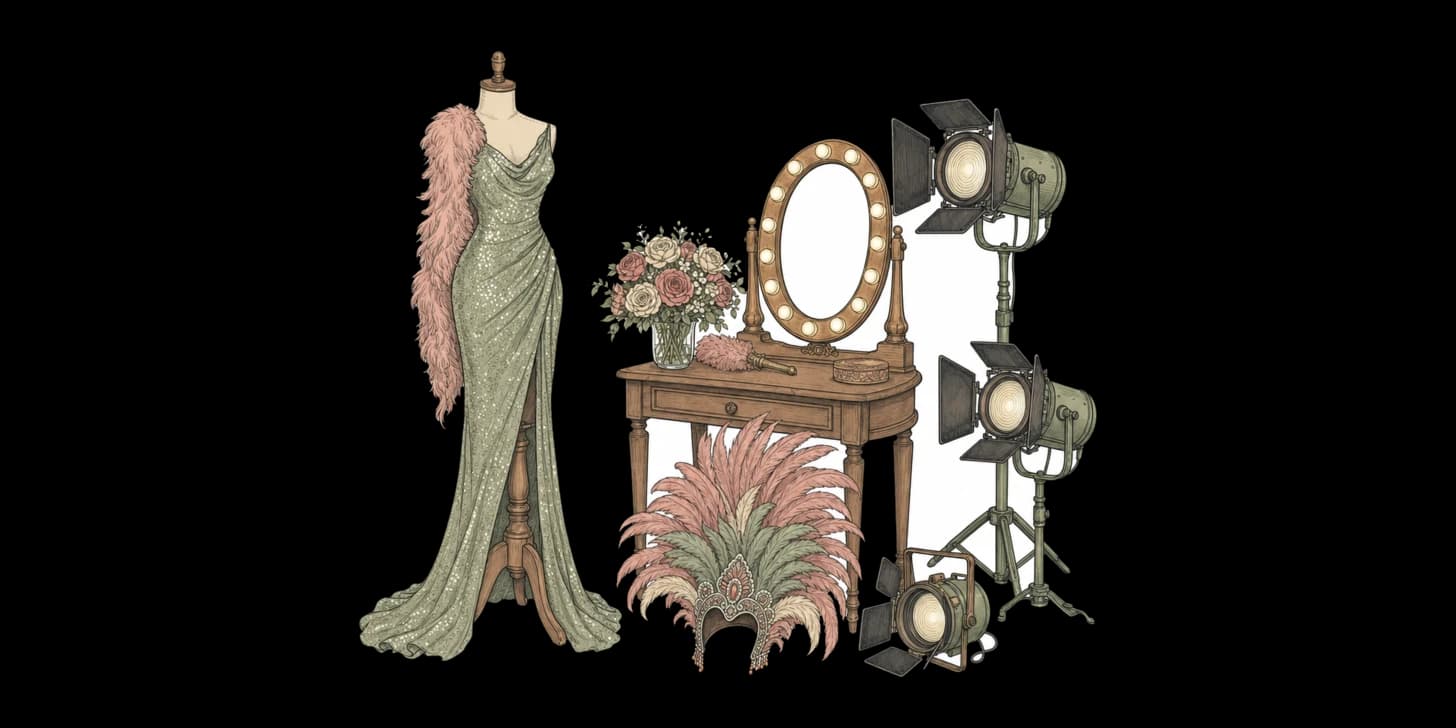
For many visitors, the first encounter is the cabaret — high-energy, Vegas-style lip-sync revues full of sequins, feathers and quick changes. In Chiang Mai the best-known are the Chiang Mai Cabaret Show near the Night Bazaar and the larger Miracle Cabaret. They make for a fun, glamorous night out, and pair naturally with a wander through the city's nightlife and bars.
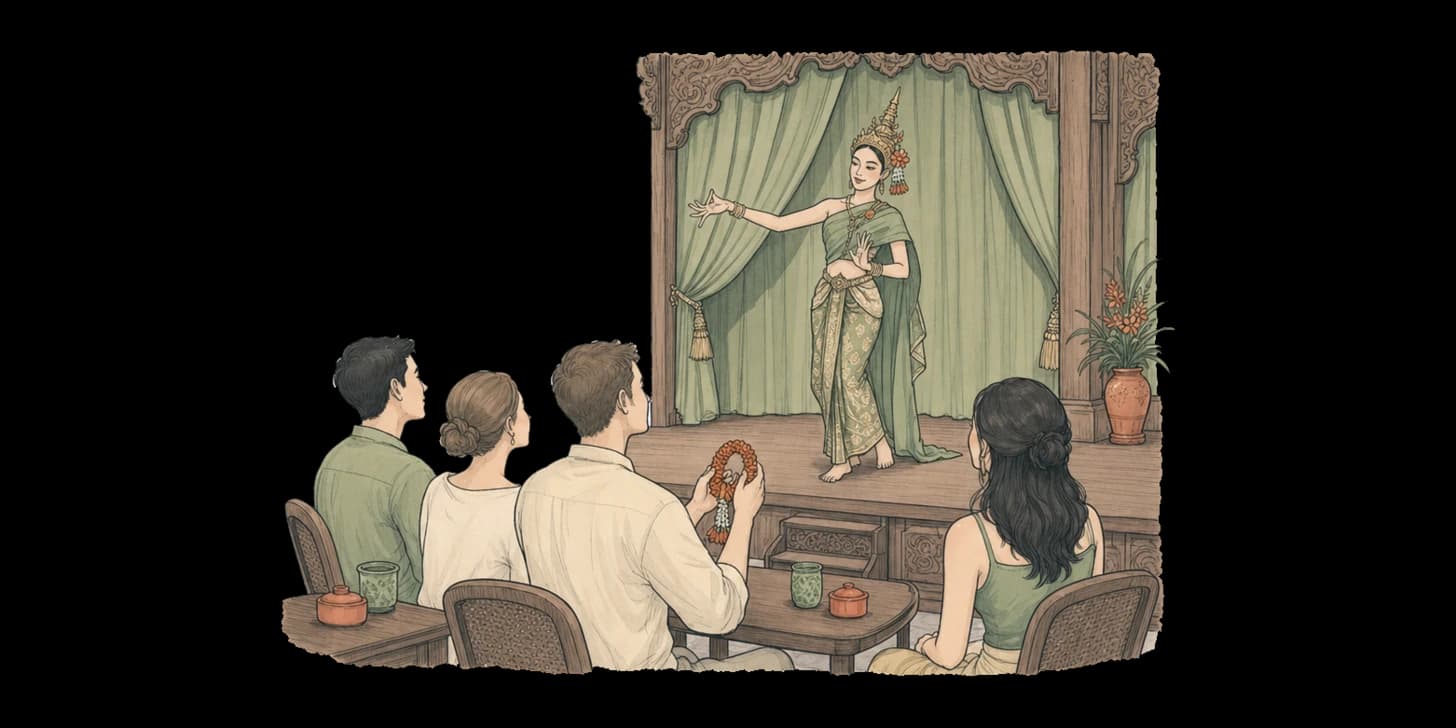
Just go for the craft. These are skilled performers, not a punchline — so applaud the talent, tip if you enjoyed it, and always ask before taking photos with a performer (a small tip for photos is normal and appreciated). Bring the same easy manners you'd bring to any respectful encounter in Thailand: nobody is an exhibit.
Acceptance versus equality: the honest picture
It's worth being clear-eyed about both halves of the story.
The good news is real: in 2025 Thailand legalised same-sex marriage — the first country in Southeast Asia to do so, a genuine milestone for the wider LGBTQ+ community.
The gap is just as real. Thailand still has no legal gender recognition: a kathoey cannot change the gender marker on her ID card, passport or birth certificate, even after gender-affirming surgery. Officially, she remains male — which quietly complicates everything from paperwork to job applications to travel. Discrimination in mainstream professions persists, too. So the honest picture is both at once: broad, warm everyday tolerance, alongside structural inequality that hasn't caught up.
How to be a good guest
None of this needs to be complicated. Use kathoey or trans woman rather than "ladyboy", and never as a gawk. Treat the person at the salon, the show or the café counter as exactly that — a person, not a curiosity or a photo op. If you're genuinely curious, ask kindly; most people are happy to share, on their own terms.
Do that, and you'll see what locals already know: kathoey are simply part of the fabric of Chiang Mai — and a warm, colourful part at that. Treat them with the same respect you'd want, and you'll fit right in.
Frequently asked questions
What does the word kathoey actually mean?
Kathoey is a broad Thai umbrella term, usually for people assigned male at birth who live and present femininely, including trans women and sometimes very feminine gay men. The word once meant something closer to intersex and has shifted over time, and there's no neat English equivalent.
Is 'ladyboy' a respectful word to use?
It's an informal tourist word that can flatten a whole range of real people into a sexualized spectacle. In a respectful setting, kathoey or trans woman simply reads as kinder. You may also hear the gentler phu ying praphet song, literally second-type woman.
Is this a modern phenomenon?
Not at all. Thailand has long recognised more than two gendered social roles, and kathoey appear in traditional performance and temple-fair entertainment well before contemporary LGBTQ+ politics. Theravada Buddhism tends to read gender variance through karma and past lives rather than sin, which fosters an everyday, lived tolerance.
How should I behave at a cabaret show?
Go for the craft, because these are skilled performers and not a punchline, so applaud the talent and tip if you enjoyed it. Always ask before taking photos with a performer; a small tip for photos is normal and appreciated. In Chiang Mai the best-known are the Chiang Mai Cabaret Show near the Night Bazaar and the larger Miracle Cabaret.
Does Thailand offer legal equality?
The picture is mixed. In 2025 Thailand legalised same-sex marriage, the first country in Southeast Asia to do so. But there is still no legal gender recognition: a kathoey cannot change the gender marker on her ID card, passport or birth certificate, even after gender-affirming surgery, so broad everyday tolerance sits alongside structural inequality.
How can I be a good guest?
Use kathoey or trans woman rather than ladyboy, and never as a gawk. Treat the person at the salon, the show or the cafe counter as exactly that, a person rather than a curiosity or a photo op. If you're genuinely curious, ask kindly; most people are happy to share, on their own terms.