Practical tips · July 3, 2026
Thailand's sex industry: an honest, respectful guide
By The Ada House team
Sooner or later, most people who spend real time in Thailand notice it: a certain kind of bar, a question a friend asks, a headline. The sex industry is part of the country's reality, and pretending otherwise helps no one. This is not a punter's guide and it names no venues — it is a calm, honest reality-check for anyone in Chiang Mai, so you understand the landscape, the law and the risks. One caveat first: this is general information, not legal advice. Thai law and its enforcement are complex and change over time, so always check current, official sources rather than hearsay or an old blog post, including this one.
The Chiang Mai reality
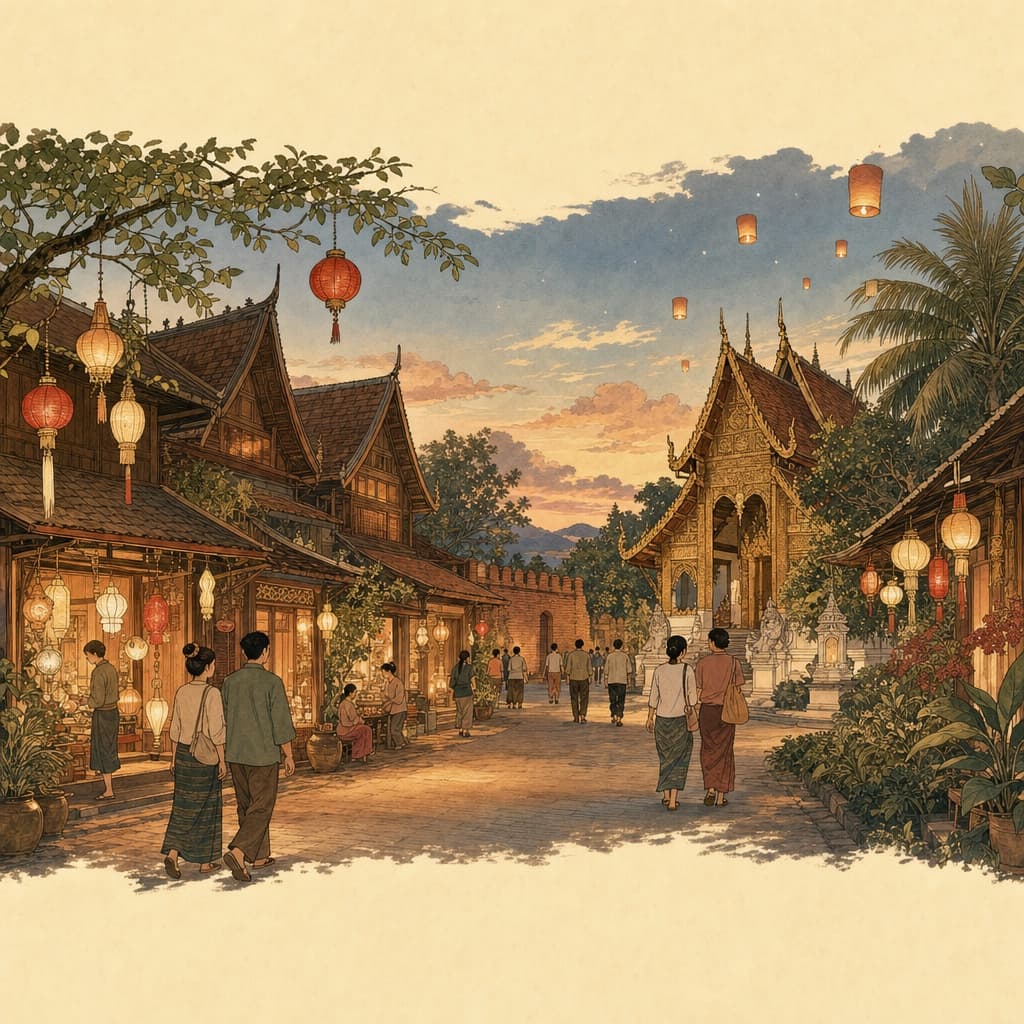
If your only mental image of Thai nightlife comes from stories about Bangkok, Pattaya or Phuket, Chiang Mai will surprise you: it is markedly tamer and more low-key. This is a university and temple city with a gentle rhythm, and most visitors never encounter the sex industry at all, beyond perhaps a vague awareness that it exists. The nightlife people actually enjoy is thoroughly ordinary — live music, craft beer, night markets and rooftop bars, all covered in our guide to the city's bars. Where a commercial sex trade does exist, it is discreet and easy to avoid. It is also worth clearing up a common confusion: kathoey, or third-gender Thai people, are a longstanding, respected part of local culture and are not synonymous with sex work, as our piece on kathoey identity explains.

What the law actually says
The legal picture is genuinely murky. Prostitution itself is technically illegal under the Prevention and Suppression of Prostitution Act of 1996, yet the law mostly targets the surrounding activities rather than the individual: soliciting in public, procuring, running a brothel and profiting from someone else's sex work. Enforcement is selective and inconsistent, and much of the trade operates in plain sight under other labels. The result is a well-known grey area — widely visible, rarely prosecuted at the level of the worker, and periodically the subject of reform proposals to decriminalise sex work and replace the 1996 Act. For where Thailand draws its other legal lines, our what's illegal in Thailand guide is a useful companion. The honest takeaway: "tolerated" is not the same as "legal", and the ambiguity offers no protection once a situation crosses a clear line.
The people, and the problem of coercion
Behind the industry are people, and they deserve respect, not slurs or moralising. Many are Thai adults making their own choices in difficult circumstances. But a significant part of the wider regional trade involves vulnerable and migrant people, and coercion and human trafficking are real. Thailand's Anti-Trafficking in Persons Act criminalises forced and coerced sex work with heavy prison sentences, and the penalties climb sharply where minors are involved. Knowingly using or paying someone who has been trafficked or coerced is a serious crime, not a grey area. The red flags are worth knowing: someone who seems underage, frightened or controlled; who cannot move or speak freely; who has no access to their own documents or money; or who is plainly managed by a third party. If you see signs of trafficking or abuse, step away and report it to the authorities or an anti-trafficking hotline.
Anything involving a minor is a grave crime
This is not a grey area of any kind, and we state it plainly. Any sexual activity involving a minor is a grave crime, prosecuted severely in Thailand and — crucially — abroad. Child-protection laws here are strict, and Thailand actively cooperates with foreign governments to deny entry to and pursue known offenders. Many countries, including the United States, the United Kingdom and Australia, also have extraterritorial laws that let them prosecute their own citizens at home for child sexual offences committed anywhere in the world, with penalties reaching decades in prison. There is no jurisdiction to hide in and no loophole to find. We include this purely as protection and warning: if you become aware of a child being exploited or at risk, report it immediately to the police or a child-protection organisation. Protecting children is everyone's responsibility.
Health, money and personal safety
If you just want to stay safe on a normal night out, a few habits cover most of it. Alcohol is the common thread in most incidents, so pace yourself. Protection matters, too: sexually transmitted infections are a genuine risk in any setting, condoms are the basic safeguard, and Chiang Mai has good, discreet clinics for testing or advice — our healthcare guide points the way. Watch your drink: spiking, while not common, does happen, so don't leave a glass unattended or accept an open drink from a stranger. The bar-related risks visitors actually meet tend to be financial rather than dramatic — padded tabs, unexpected "bar fine" pressure, overcharging and pickpocketing. Our common scams guide covers the usual tricks, and our broader is Chiang Mai safe? piece puts the risks in perspective. In short: trust your instincts, don't be rushed into spending, and leave any situation that feels off.
A grounded, respectful note
None of this should cast a shadow over Chiang Mai, which remains one of the calmest, most welcoming places you could choose for a long stay. The sex industry exists here as it does across much of the world, but it sits at the quiet margins of a city far better known for its temples, mountains, coffee and kindness. Our aim has been an honest picture rather than a coy silence: treat the people involved with dignity, keep yourself safe and sober, and hold an unbending line against anything that exploits the vulnerable — and, without exception, against anything involving a child. As ever, this is general information, not legal advice, so check current, official sources for anything that affects you. Come with awareness and goodwill, and Chiang Mai will show you its gentler, truer self.
Frequently asked questions
Is prostitution legal in Thailand?
It sits in a well-known grey area. Prostitution is technically illegal under the 1996 Prevention and Suppression of Prostitution Act, but the law mostly targets the surrounding activities, such as soliciting, procuring, running a brothel and profiting from someone else's sex work, and enforcement is selective. The honest takeaway is that 'tolerated' is not the same as 'legal'. This is general information, not legal advice, so check current official sources.
Is Chiang Mai a sex-tourism destination like Pattaya or Phuket?
No. Chiang Mai is markedly tamer and more low-key than Bangkok, Pattaya or Phuket. It's a university and temple city with a gentle rhythm, and most visitors never encounter the sex industry at all beyond a vague awareness that it exists. The nightlife people actually enjoy here is thoroughly ordinary: live music, craft beer, night markets and rooftop bars.
What are the legal risks for tourists?
The activities around prostitution are illegal, and knowingly using or paying someone who has been trafficked or coerced is a serious crime rather than a grey area. Anything involving a minor is a grave crime, prosecuted severely in Thailand and, through extraterritorial laws, in many home countries too. Enforcement and rules change, so always rely on current official sources, not hearsay.
How can I recognise trafficking or coercion?
Warning signs include someone who seems underage, frightened or controlled, who cannot move or speak freely, who has no access to their own documents or money, or who is plainly managed by a third party. A significant part of the wider regional trade involves vulnerable and migrant people. If you see signs of trafficking or abuse, step away and report it to the authorities or an anti-trafficking hotline.
What are the health and safety risks on a night out?
Alcohol is the common thread in most incidents, so pace yourself. Sexually transmitted infections are a genuine risk in any setting, condoms are the basic safeguard, and Chiang Mai has good, discreet clinics for testing or advice. Watch your drink against spiking, and be aware that the bar-related risks visitors actually meet tend to be financial, such as padded tabs, unexpected 'bar fine' pressure, overcharging and pickpocketing.
What should I do if I see a child being exploited?
Report it immediately to the police or a child-protection organisation. Any sexual activity involving a minor is a grave crime, child-protection laws in Thailand are strict, and many countries prosecute their own citizens at home for child sexual offences committed anywhere in the world. There is no loophole; protecting children is everyone's responsibility.