Things to do · July 5, 2026
Racquet sports in Chiang Mai: pickleball, tennis and badminton
By The Ada House team
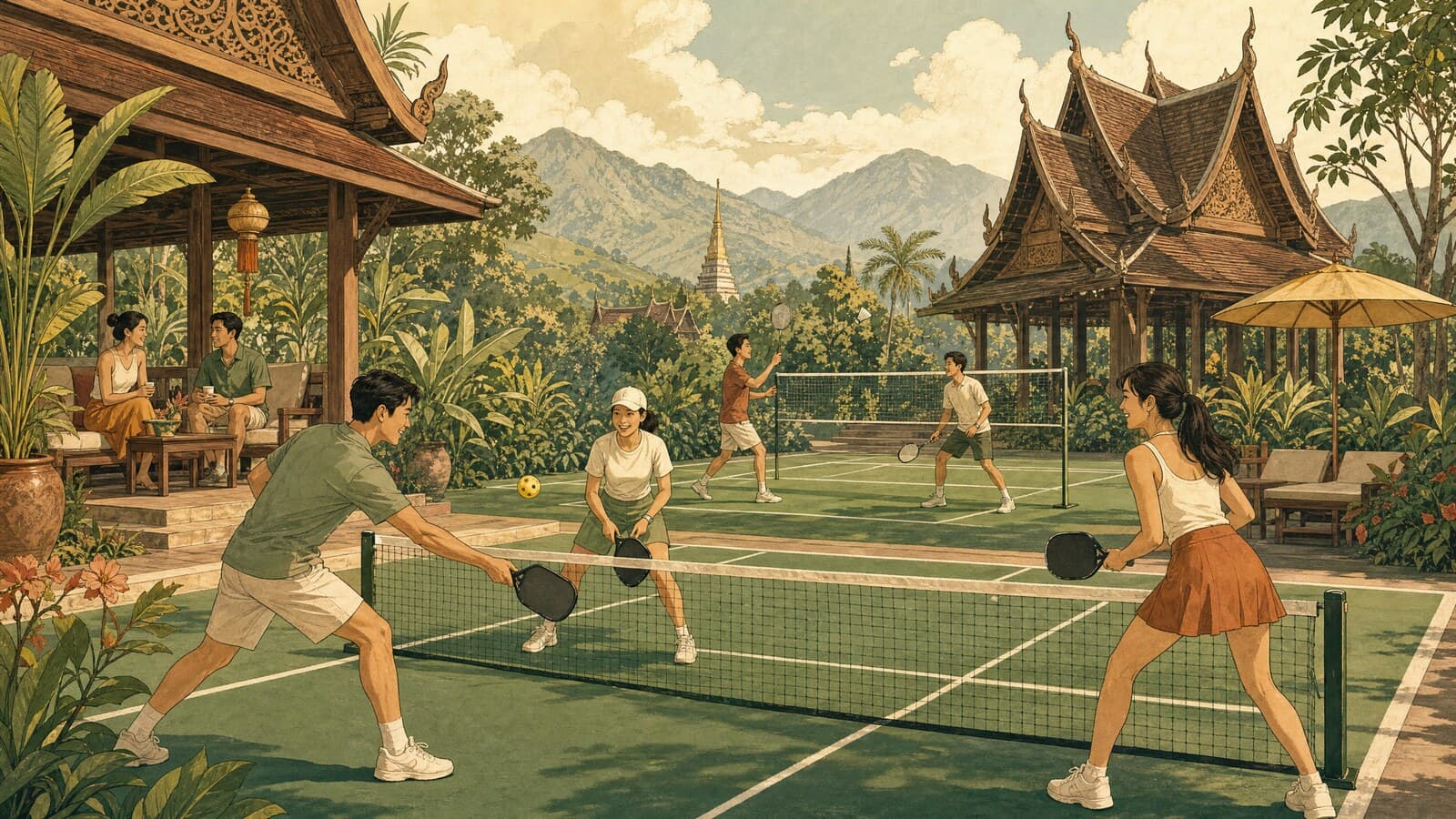
Chiang Mai has quietly become one of the easiest places in Asia to pick up a racquet. Court time costs less than a decent flat white, the standard runs from wobbly beginner to alarmingly good, and someone is always looking for a fourth. Whether you're a lapsed tennis player, badminton-curious, or one of the many who have tumbled down the pickleball rabbit hole, here's how the city's racquet scene works — and how to get on court this week.
Pickleball has well and truly arrived
If you've somehow avoided pickleball until now, Chiang Mai will fix that. In the space of a couple of years the city has grown from a few taped-over tennis courts to well over a dozen venues with thirty-plus courts between them, including purpose-built indoor halls, some with cafés attached. The heart of the scene is drop-in "open play": turn up, add your paddle to the queue, and rotate through doubles with strangers who become regulars within a week. Budget roughly 100–300 baht for a session, with paddles loaned free or for pocket change. Expect a friendly mix of Thais, travellers and a large contingent of retirees — if joining them long-term is the plan, our guide to retiring in Chiang Mai covers the practical side.
Tennis at pocket-money prices
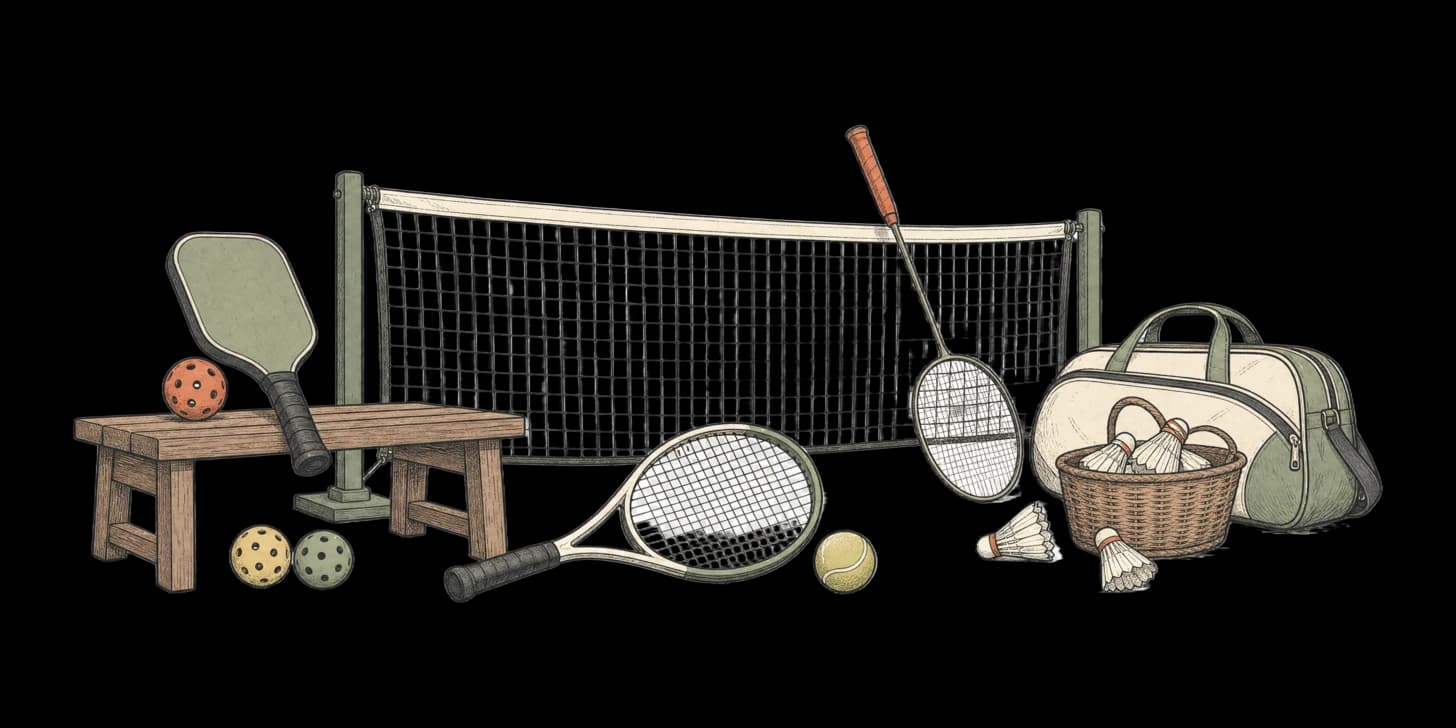
The centre of the local tennis universe is the bank of municipal hard courts at the 700th Anniversary Stadium complex, north-west of the Old City: floodlights, a small pro shop that restrings rackets while you wait, and pickup games most mornings and late afternoons. Court hire runs to roughly 60 baht an hour — not a typo — and the city's other public courts charge similarly silly sums. Coaches work out of the main venues, and lessons cost a fraction of what you'd pay back home. One rule is non-negotiable, though: play before nine or after four. The midday sun here is not a training partner; it's an opponent that always wins.
Badminton, the sport Thailand actually plays
Pickleball may be the imported craze, but badminton is the racquet sport Thais grow up with. Nearly every district has an indoor hall, and they come alive in the evening from around six, when work finishes and the smashing begins. Courts typically cost 100–200 baht an hour, and the real running expense is shuttles: feather shuttlecocks come in tubes and get shared around the group, so a full evening's play still costs less than a cinema ticket. Walk-ins are generally welcome, though popular halls fill up during the evening peak — book a day ahead or come in the quieter afternoon. Rental rackets exist, standards are high, and you should be emotionally prepared to be politely dismantled by a twelve-year-old.
Squash, for the determined
Here's the honest bit: squash is rare in Chiang Mai. A handful of courts survive at long-established private sports clubs — the century-old Chiangmai Gymkhana Club is the name that keeps coming up — but there's no walk-in squash culture to speak of, so ring ahead rather than turning up hopeful. If squash is the one sport you cannot live without, consider this your gentle warning. Everyone else will find the other three codes more than enough to fill the diary.
Finding people to play with
Facebook remains Chiang Mai's town square, and the racquet groups are busy: search for the city's pickleball and tennis groups by name and you'll find daily posts hunting for partners at every level. Open-play pickleball does the introductions for you, and the stadium tennis courts have long-running pickup sessions in the morning and late afternoon. Closer to home, coliving noticeboards do a surprising amount of matchmaking — at Ada House, a scribbled "anyone for pickleball on Saturday?" rarely goes unanswered. Sport is one of the easier routes to making friends in Chiang Mai, because it skips the small talk entirely.
What to bring and what to rent
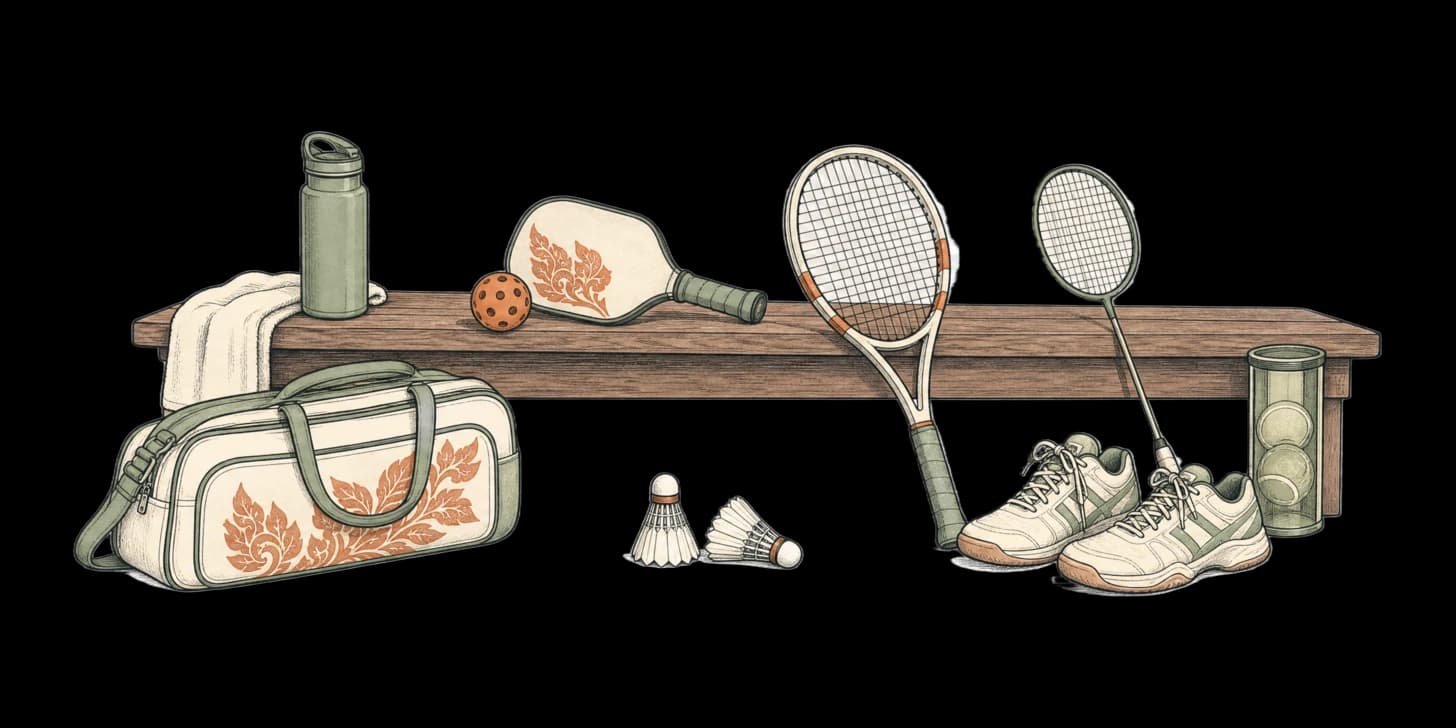
Rackets and paddles are the easy part: most venues loan or rent them, and the sports shops in town sell serviceable starter kit for a few hundred baht. Shoes are what you should pack. Badminton halls insist on non-marking indoor soles, court shoes in larger European sizes can be genuinely hard to find in Thailand, and flip-flops will get you turned away everywhere. Throw in spare grips too — they dissolve remarkably quickly in the humidity. And if racquets are only half of your routine, our guide to gyms and fitness in Chiang Mai covers the rest.
Playing with the seasons
Chiang Mai's calendar decides where you play, not whether. In the cool season, November to January, outdoor tennis and pickleball are close to perfect: dry courts, gentle mornings and evenings that don't demand a change of shirt per set. The hot season, March to April, pushes everyone towards dawn starts or the indoor halls, and the smoky weeks of burning season make indoor badminton and pickleball the sensible choice for your lungs as well as your scoreline. The rains, roughly June to October, mostly arrive in short dramatic bursts, but outdoor courts stay greasy afterwards, so the halls earn their keep again. Whatever the month, the post-match reward stays the same: a long cool-down in one of the city's swimming pools.
Frequently asked questions
Where can I play pickleball in Chiang Mai?
Chiang Mai now has well over a dozen pickleball venues with thirty-plus courts between them, including purpose-built indoor halls. The easiest entry point is a drop-in "open play" session: you turn up, join the paddle queue and rotate through doubles. Budget roughly 100–300 baht for a session, with paddles usually loaned free or for a small fee.
How much does it cost to play tennis in Chiang Mai?
Very little by Western standards. The municipal hard courts at the 700th Anniversary Stadium complex charge roughly 60 baht an hour, and other public courts around the city charge similarly low rates. The stadium courts have floodlights, a small pro shop for restringing, and regular pickup games in the mornings and late afternoons.
Can I just walk into a badminton hall in Chiang Mai?
Generally yes — badminton is the racquet sport Thais grow up with, and nearly every district has an indoor hall. Courts typically cost 100–200 baht an hour, with shuttlecocks shared around the group as the main running expense. Halls are busiest in the evening from around six, so book a day ahead for peak times or come in the quieter afternoon.
Are there squash courts in Chiang Mai?
Squash is rare. A handful of courts survive at long-established private sports clubs — the century-old Chiangmai Gymkhana Club is the name that keeps coming up — but there is no walk-in squash culture, so phone ahead rather than turning up on spec.
How do I find people to play racquet sports with in Chiang Mai?
Facebook groups for pickleball and tennis carry daily partner-hunting posts at every level, open-play pickleball sessions handle the introductions for you, and the stadium tennis courts run long-standing pickup games mornings and late afternoons. Coliving noticeboards help too — at Ada House, a note asking for weekend pickleball partners rarely goes unanswered.
What equipment should I bring for racquet sports in Chiang Mai?
Pack your shoes, rent the rest. Most venues loan or rent rackets and paddles, and local sports shops sell affordable starter kit, but badminton halls require non-marking indoor soles and court shoes in larger European sizes can be hard to find in Thailand. Spare grips are worth packing too, as they wear out quickly in the humidity.