Practical tips · June 27, 2026
Dangerous Animals in Chiang Mai: A Calm Guide to Snakes, Stings and Bites
By The Ada House team
Let us start with the reassuring part: Chiang Mai is a calm place to live, and most people spend years here without a single dramatic wildlife story. The creatures below are real, but serious trouble from them is rare and almost always avoidable. Think of this as a friendly field guide rather than a warning, the kind of thing a neighbour tells you over coffee so you can relax and get on with enjoying the place. None of this is medical advice; if something goes wrong, head straight to a hospital.
The mosquito is the one to mind
If you worry about anything on this list, make it the mosquito. The genuine health concern in Chiang Mai is dengue fever, carried by daytime-biting Aedes mosquitoes and most common in the rainy season, roughly May to October. It is uncommon but not rare, and there is no magic prevention beyond simply not getting bitten: use a repellent with DEET or picaridin, cover up at dawn and dusk, and tip out any standing water around your balcony where mosquitoes breed. Malaria, despite its reputation, is effectively a non-issue in the city and lingers only in remote forest and border areas. If you are still planning your trip, our guide to when to visit explains how the seasons shape all of this.
Snakes: more shy than you would think
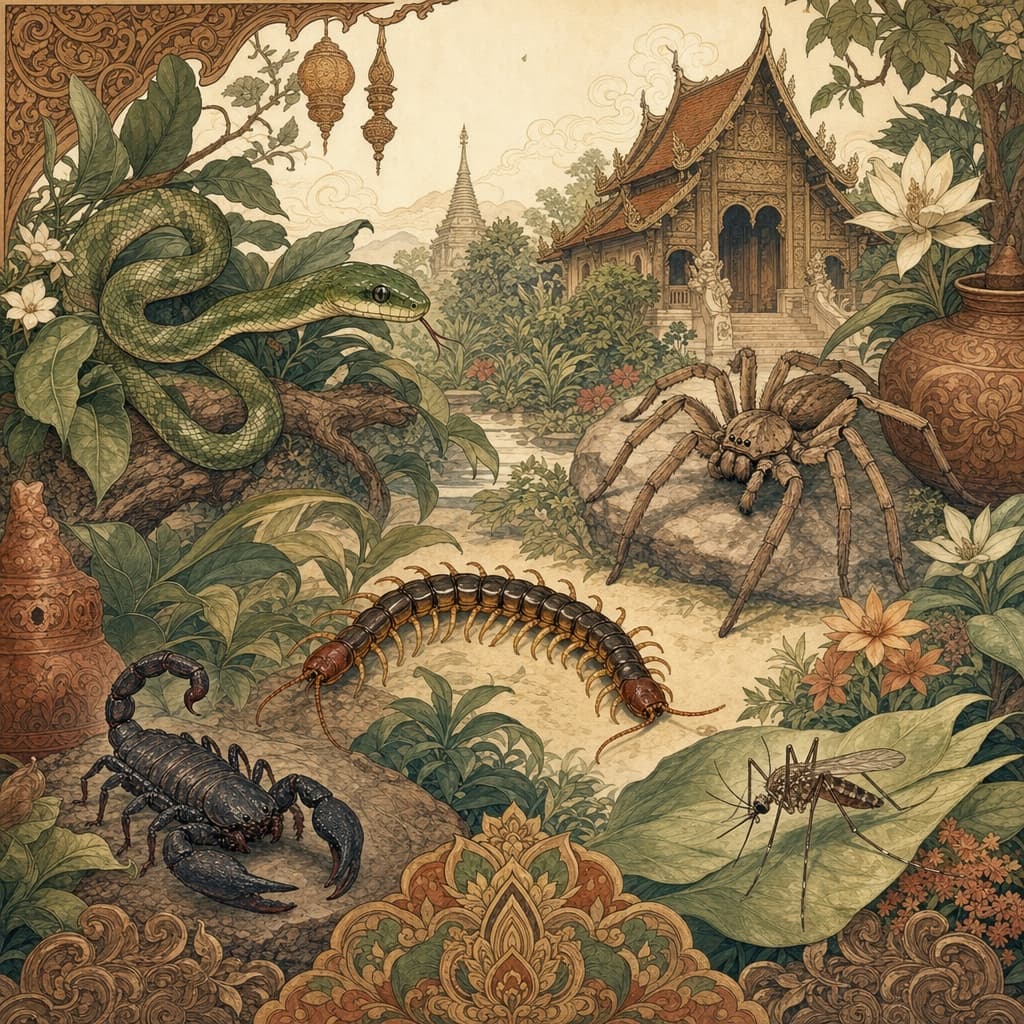
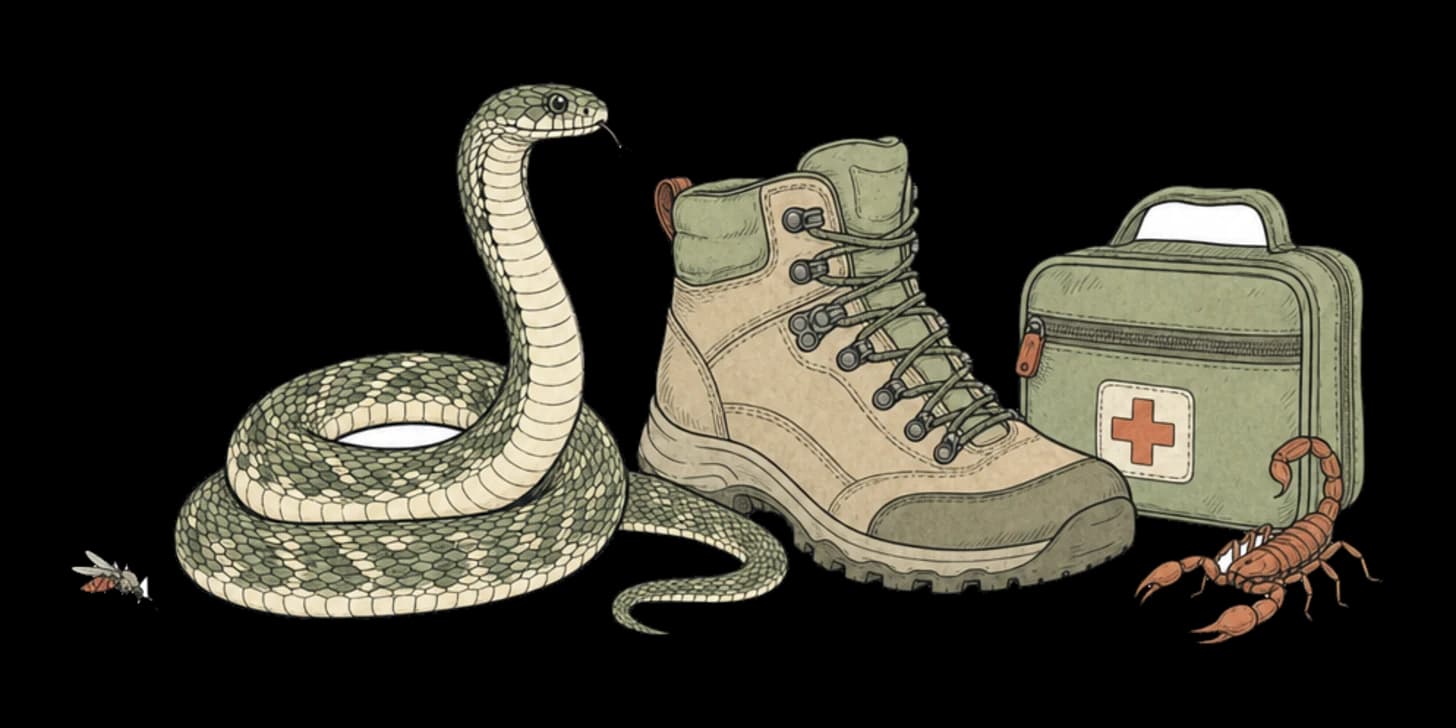
Northern Thailand has its share of venomous snakes, with monocled cobras, the forest-dwelling king cobra and various pit vipers among them, but the headline is that most snakes you will ever see are harmless and far more interested in escaping than in you. Bites are uncommon, tend to happen in rice fields or on trails rather than in town, and a good share of them are dry, with no venom injected at all. The one to respect is the green pit viper, which likes to sit still in gardens and hedges rather than flee, so watch where you put your hands and feet when gardening or trekking the hills. After dark, a torch is your best friend.
Centipedes, scorpions and spiders
These three look alarming and are gentler than they appear. The large Scolopendra centipede delivers genuinely nasty, days-long pain if it bites, easily the most unpleasant creature on this list, but it will not kill a healthy adult. Thai black scorpions sting about as badly as a wasp, no worse. And the giant huntsman spider that may one day sprint across your wall is, despite its dinner-plate drama, essentially harmless, quietly eating the insects you would rather not have. All three are nocturnal and like dark corners, so the one habit worth keeping is the local one: shake out your shoes before you put them on.
Bites, stings and trail critters
A few odds and ends round out the list. Hornets and the big Asian honey bees sting painfully but are only dangerous to people with allergies or in a swarm. Fire ants are a stinging nuisance more than a hazard. On overnight treks, tiny chiggers can occasionally pass on scrub typhus, which is treatable but worth a doctor's visit if a fever and rash appear after camping, while leeches are merely messy. The most underrated risk is not exotic at all: it is rabies, carried by Chiang Mai's street dogs and the cheeky monkeys at hilltop temples. Any mammal bite or scratch deserves to be taken seriously.
What to do if something gets you
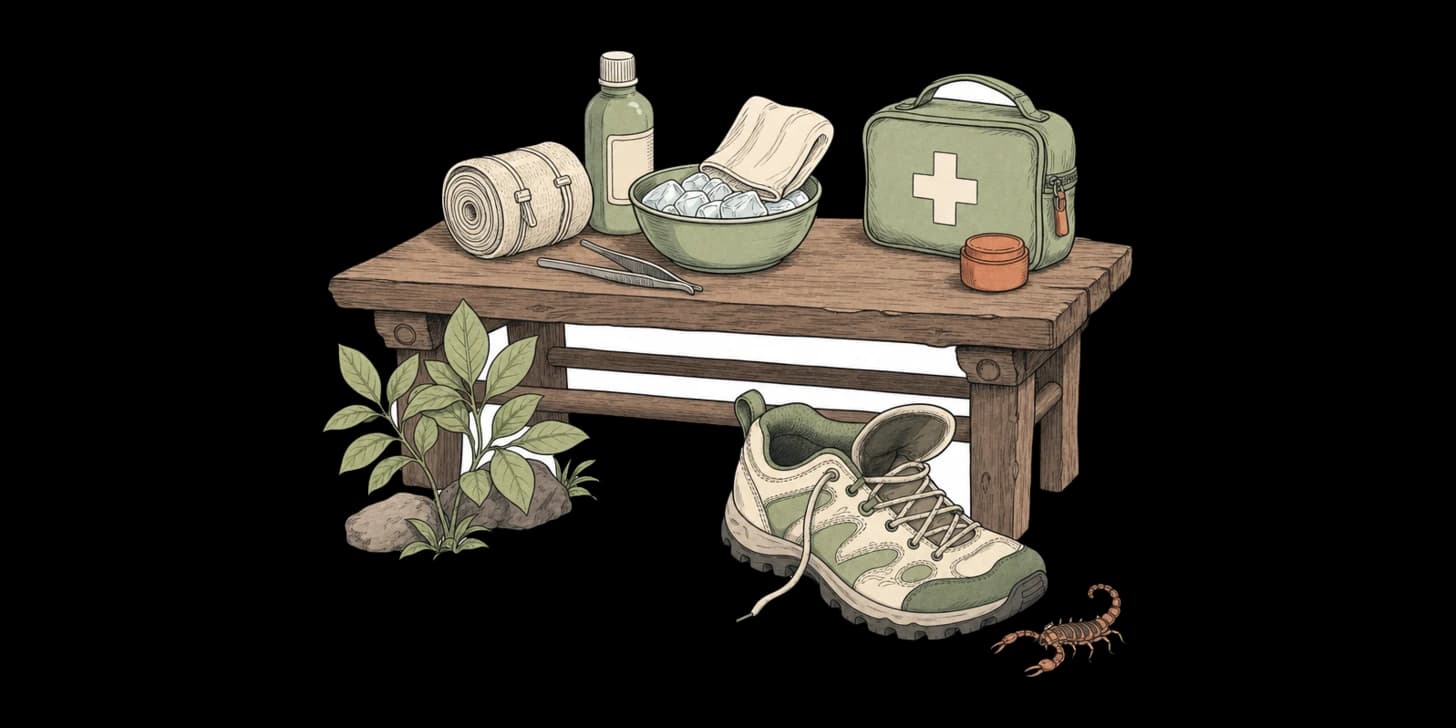
For a snakebite, the rules are simple and the same everywhere: stay calm, keep the bitten limb still and below heart level, take off rings and watches before swelling starts, and get to a hospital, since Chiang Mai's hospitals stock antivenom. Do not apply a tourniquet, and never cut, suck or try to draw out the venom, as those old tricks only do harm. For a centipede or scorpion sting, wash it, apply a cold compress, take a painkiller, and watch for spreading swelling or trouble breathing. For a dog or monkey bite, wash the wound with soap under running water for a full fifteen minutes and seek rabies treatment the same day. Good travel or health insurance and knowing your nearest hospital make all of this far less stressful.
How worried should you be?
Honestly, not very. The sensible habits — repellent in the wet season, a torch at night, shoes given a shake, a little distance from strays and temple monkeys — cover almost everything, and they become second nature within a week. Chiang Mai is, by any reasonable measure, a safe place to live and visit, and its wildlife is part of the charm far more often than it is a hazard. Respect it, do not fear it, and you will be just fine.
Frequently asked questions
What is the most genuine wildlife health risk in Chiang Mai?
If you worry about anything, make it the mosquito. The genuine health concern is dengue fever, carried by daytime-biting Aedes mosquitoes and most common in the rainy season, roughly May to October. There is no magic prevention beyond not getting bitten, so use a repellent with DEET or picaridin, cover up at dawn and dusk, and tip out standing water where mosquitoes breed. None of this is medical advice, so head to a hospital if something goes wrong.
Should I be afraid of snakes here?
Most snakes you will ever see are harmless and far more interested in escaping than in you, and bites are uncommon, tending to happen in rice fields or on trails rather than in town. Northern Thailand does have venomous species like cobras and pit vipers, and the green pit viper is one to respect because it sits still in gardens rather than fleeing. Watch where you put your hands and feet when gardening or trekking, and carry a torch after dark.
Are centipedes, scorpions and spiders dangerous?
These three look alarming but are gentler than they appear. The large Scolopendra centipede gives genuinely nasty, days-long pain but will not kill a healthy adult, Thai black scorpions sting about as badly as a wasp, and the giant huntsman spider is essentially harmless and quietly eats insects. All three are nocturnal and like dark corners, so the one habit worth keeping is the local one: shake out your shoes before you put them on.
What should I do if a snake bites me?
Stay calm, keep the bitten limb still and below heart level, take off rings and watches before swelling starts, and get to a hospital, since Chiang Mai's hospitals stock antivenom. Do not apply a tourniquet, and never cut, suck or try to draw out the venom, as those old tricks only do harm. This is general guidance, not medical advice, so seek professional care straight away.
Is rabies something to worry about?
It is the most underrated risk and not exotic at all, carried by street dogs and the monkeys at hilltop temples, so any mammal bite or scratch deserves to be taken seriously. If a dog or monkey bites you, wash the wound with soap under running water for a full fifteen minutes and seek rabies treatment the same day. Good travel or health insurance and knowing your nearest hospital make all of this far less stressful.
Overall, how cautious do I need to be?
Honestly, not very. The sensible habits cover almost everything: repellent in the wet season, a torch at night, a shake of your shoes, and a little distance from strays and temple monkeys, all of which become second nature within a week. Chiang Mai's wildlife is part of the charm far more often than it is a hazard, so respect it rather than fear it.