Things to do · June 14, 2026
Hiking & trekking around Chiang Mai
By The Ada House team
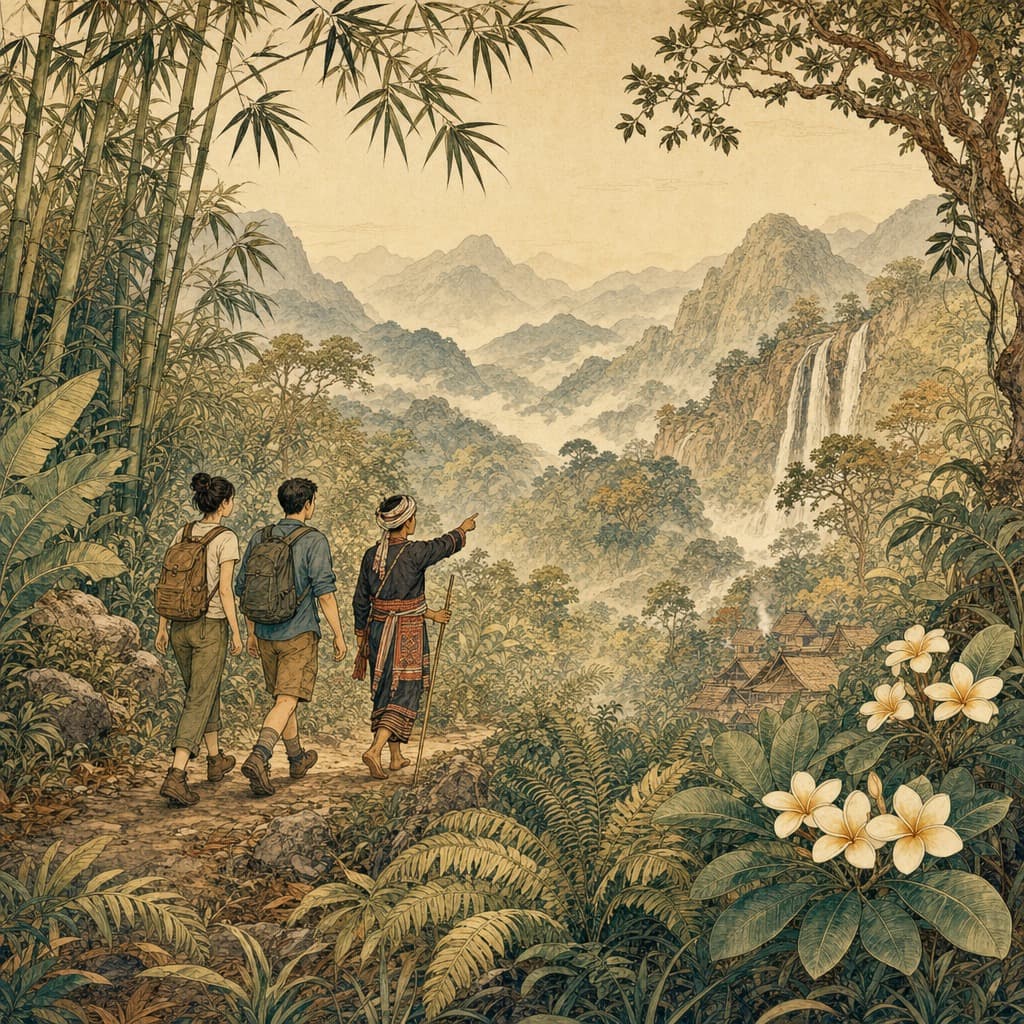
Chiang Mai is one of Thailand's great trekking bases. You can walk a forest trail straight from the edge of the city in the morning, or disappear into the jungle for days, sleeping in hill-tribe villages and waking above the clouds. Here's how to find the right hike for you — and do it responsibly.
Day hikes near the city
The mountains start right above town:
- Doi Suthep-Pui National Park — the most accessible hiking, rising directly behind the city. The famous Monk's Trail climbs through forest to Wat Pha Lat and on to the temple (we've a dedicated guide), and higher trails reach cooler air and viewpoints toward Doi Pui.
- Huay Tung Tao — easy lakeside loops and gentle foothill walks, perfect for a relaxed half-day.
- Mon Cham & Doi Pui (Mae Rim) — short ridge hikes with views over terraced fields, often paired with villages and coffee farms.
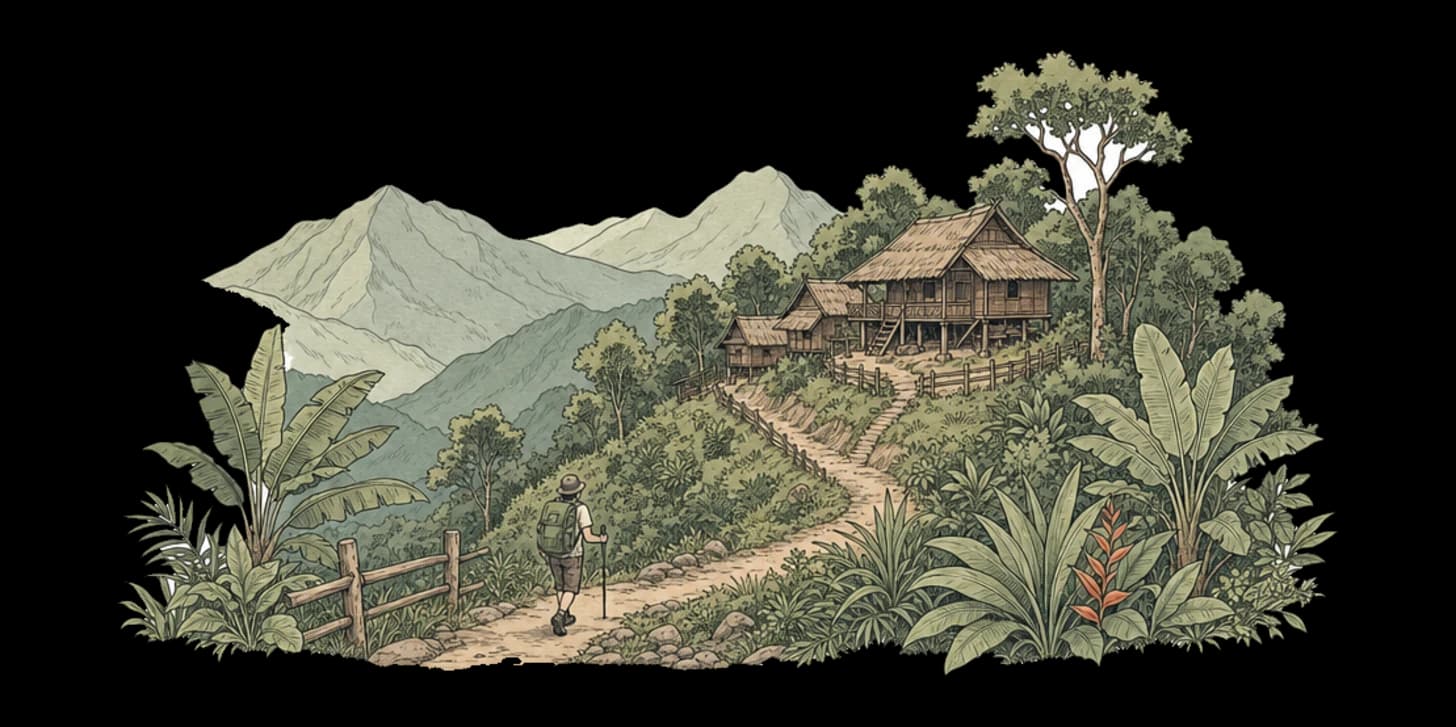
And if you'd rather walk between villages than up mountains, Mae Kampong strings an easy nature trail through stilt houses, waterfalls and some of the north's loveliest coffee stops.
The big ones
For a proper challenge:
- Doi Inthanon — Thailand's highest peak (2,565 m), with the lovely Kew Mae Pan ridge trail and cloud forest. See our Doi Inthanon guide.
- Doi Luang Chiang Dao — a dramatic limestone summit north of the city and one of the north's most serious climbs. It sits in a wildlife sanctuary with a permit system and seasonal access (often cool-season only), so check current rules and book through an operator.
- Doi Mon Jong — a grassy-ridge trek south of the city, usually done as a 2–3 day camping trip for sunrise on the ridge.
Multi-day jungle treks
Chiang Mai is a launchpad for 1–4 day jungle treks that combine hiking with rivers, waterfalls and overnights in Karen and other highland villages. Days are several hours of walking through forest and farmland, nights in simple homestays, often with bamboo rafting along the way. It's the classic northern Thailand adventure — and the income genuinely helps the communities when done right.
Guided or self-guided?
Short, popular trails (the lower Monk's Trail, lakeside walks) are easy to do self-guided. But for multi-day treks, remote routes, and permit-controlled areas like Chiang Dao or the Kew Mae Pan trail, you'll need — or strongly want — a local guide. Good operators handle permits, park fees and transport, know the seasonal trail conditions, and arrange village stays so you're expected and welcome. Compare operators on group size and ethics before booking.
When to go
- Cool, dry season (Nov–Feb) is prime — comfortable days, clear skies, firm trails; pack warm layers for cold summit nights.
- Hot season (Mar–May) makes long climbs demanding — start early, hydrate hard.
- Rainy season (May–Oct) is gloriously green with full waterfalls, but trails get muddy and slippery, and leeches appear (long socks help).
- Burning season (roughly Feb–Apr) can bring haze that makes high-exertion hikes unpleasant — check air quality first (our when-to-visit guide has the detail).
What to bring & trekking ethically
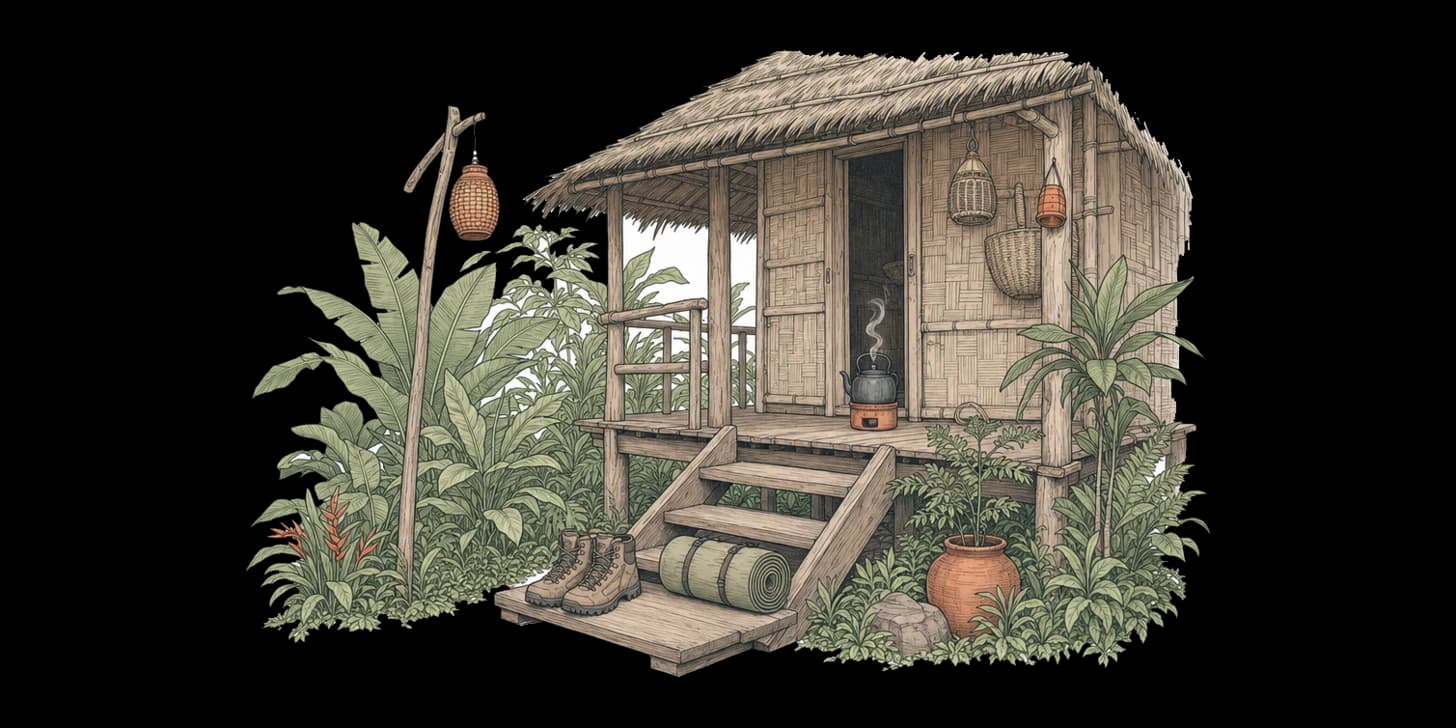
Pack sturdy shoes with grip, plenty of water, sun protection, light layers that cover arms and legs, and a rain jacket in the wet months. Start early, and tell someone your route on self-guided walks.
A word on doing it right: when visiting hill-tribe communities, dress modestly, ask before photographing, and buy directly from villagers. Choose operators who follow Leave No Trace and skip exploitative add-ons — notably elephant riding, which is best avoided in favour of genuine sanctuaries (see our ethical elephants guide).
Routes, permits and fees change with the seasons and conservation rules, so confirm details with a reputable operator close to your trip. And if walking isn't enough of a thrill, hiking is just one item on the wider menu of adventure activities in Chiang Mai, from whitewater rafting to ziplining. Tell us your fitness and how wild you want to go, and we'll point you to the right trail — a gentle forest morning or a full jungle expedition.
Frequently asked questions
What are the best easy day hikes near the city?
The mountains start right above town. Doi Suthep-Pui National Park is the most accessible, with the famous Monk's Trail climbing through forest to Wat Pha Lat and on to the temple. Huay Tung Tao offers easy lakeside loops and gentle foothill walks, while Mon Cham and Doi Pui in Mae Rim give short ridge hikes with views over terraced fields.
What are the most serious climbs around Chiang Mai?
For a proper challenge, Doi Inthanon is Thailand's highest peak at 2,565 metres, with the lovely Kew Mae Pan ridge trail and cloud forest. Doi Luang Chiang Dao is a dramatic limestone summit and one of the north's most serious climbs, sitting in a wildlife sanctuary with a permit system and seasonal access. Doi Mon Jong is a grassy-ridge trek south of the city, usually done as a 2 to 3 day camping trip.
Do I need a guide?
Short, popular trails like the lower Monk's Trail and lakeside walks are easy to do self-guided. But for multi-day treks, remote routes and permit-controlled areas like Chiang Dao or the Kew Mae Pan trail, you will need, or strongly want, a local guide. Good operators handle permits, park fees and transport, and arrange village stays so you are expected and welcome.
When is the best season to trek?
The cool, dry season from November to February is prime, with comfortable days, clear skies and firm trails, though you should pack warm layers for cold summit nights. The hot season from March to May makes long climbs demanding, while the rainy season from May to October is gloriously green but muddy, with leeches about. The burning season, roughly February to April, can bring haze that makes high-exertion hikes unpleasant, so check air quality first.
What should I pack?
Pack sturdy shoes with grip, plenty of water, sun protection, light layers that cover arms and legs, and a rain jacket in the wet months. Long socks help against leeches in the rainy season. Start early, and tell someone your route on self-guided walks.
How do I trek respectfully in hill-tribe villages?
When visiting hill-tribe communities, dress modestly, ask before photographing, and buy directly from villagers. Choose operators who follow Leave No Trace and skip exploitative add-ons, notably elephant riding, which is best avoided in favour of genuine sanctuaries. Done right, multi-day treks genuinely help these communities.