Health & wellness · July 17, 2026
Pilates & reformer in Chiang Mai
By The Ada House team
Between café hours and deep-work blocks, a lot of people living in Chiang Mai want something more precise than a random gym session — control, mobility, a quieter room. Pilates fills that gap. The city isn’t stacked with studios like Bangkok, but the options that are here — mat, reformer, and physio-led — are solid enough for a weekly habit, not just a tourist trial class.
Why pilates lands well here
Long stays, scooters, laptops and café chairs add up: tight hips, a stiff upper back, knees that complain after runs around the moat. Pilates is popular with digital nomads and remote workers because classes are short, bookable around work, and focused on form rather than max effort. It’s also a good companion to gyms and strength work or a recovery day wedged between heat and humidity.
Mat, reformer, and clinical — pick your lane
Mat pilates uses a floor and small props. It’s the friendliest drop-in format when you’re testing teachers or travelling light.
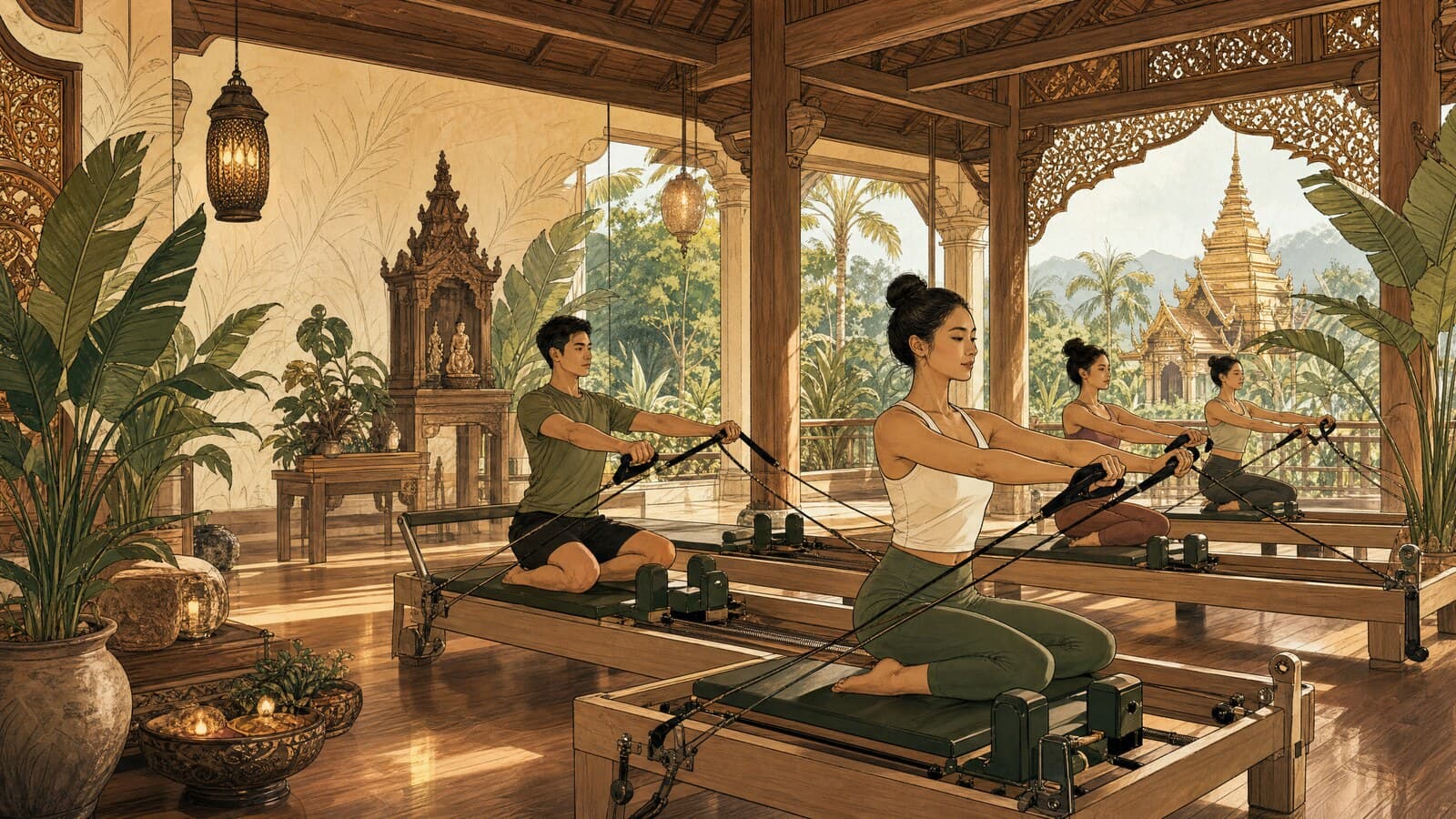
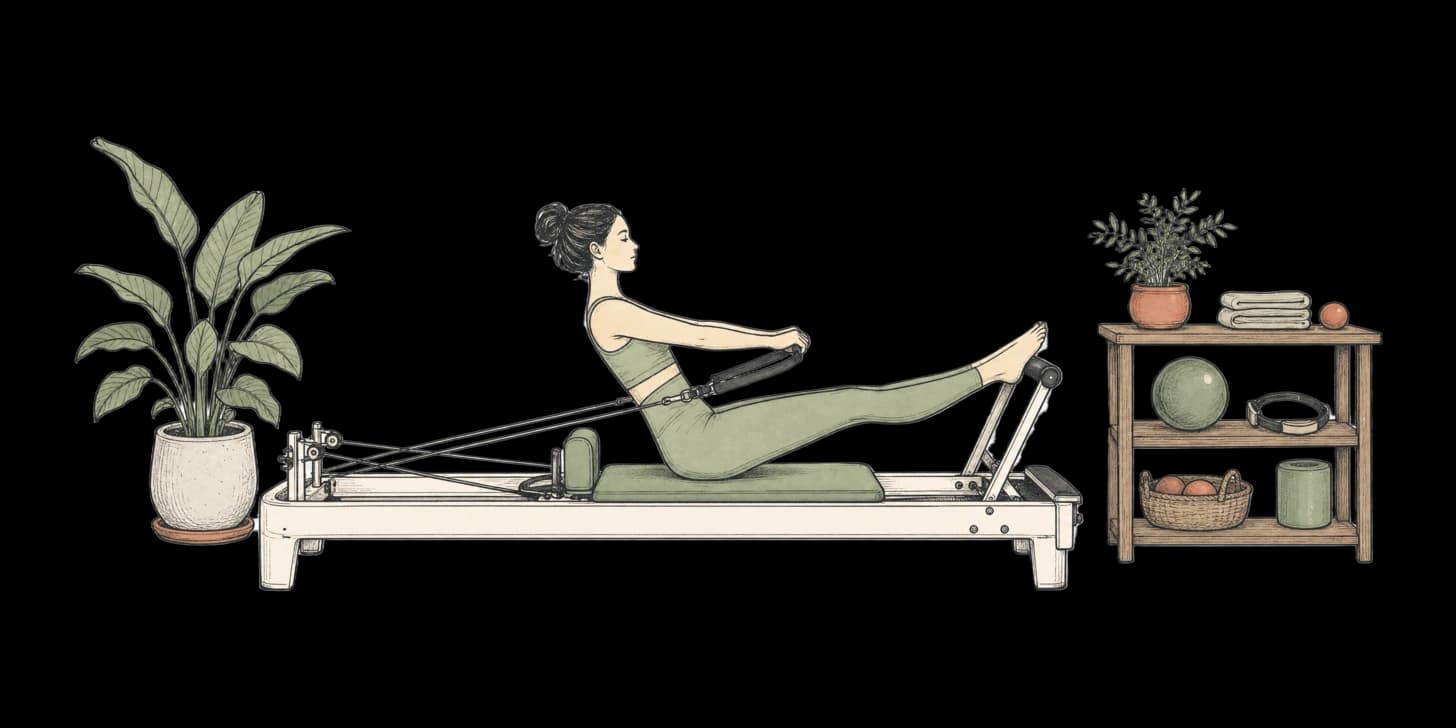
Reformer pilates uses spring-loaded machines (Stott, Balanced Body and similar systems show up locally). Expect smaller groups, more coaching, and a session that hits deep rather than sweaty. Several Chiang Mai studios put reformers front and centre — group classes and private 1:1 or duo work.
Clinical / physio-led pilates sits closer to rehab. If you’re returning from an injury or want someone who thinks in sets of safe ranges of motion, look for studios positioning themselves as physiotherapist-run rather than pure lifestyle fitness. That’s a natural complement to dedicated physio and rehab if you already have a treatment plan.
Studios you’ll actually find
The scene clusters less on sidewalk Nimman and more on short scooter hops: Old City–adjacent, Fa Ham / near Central Festival, east side / Superhighway & Tha Sala, and Star Avenue by Arcade. Names that reliably surface for current (or very recent) operation include PowerHaus Pilates, Chu Pilates, LIBI Pilates & Yoga, and PhysioX Pilates — always verify opening hours and waitlists on Instagram or Facebook before you ride over, because small studios change schedules often.
Rough patterns rather than fixed menus: reformers in group or private rooms; mat plus apparatus (reformer, chair, barrel, Cadillac) at multi-method studios; trials sometimes advertised around the high hundreds of baht per first class. Packages usually beat single drop-ins once you’ve decided a place is “yours”. Exact prices move with promos — treat any figure you see online as typically / promotional, and confirm on the day.
How to book like a local
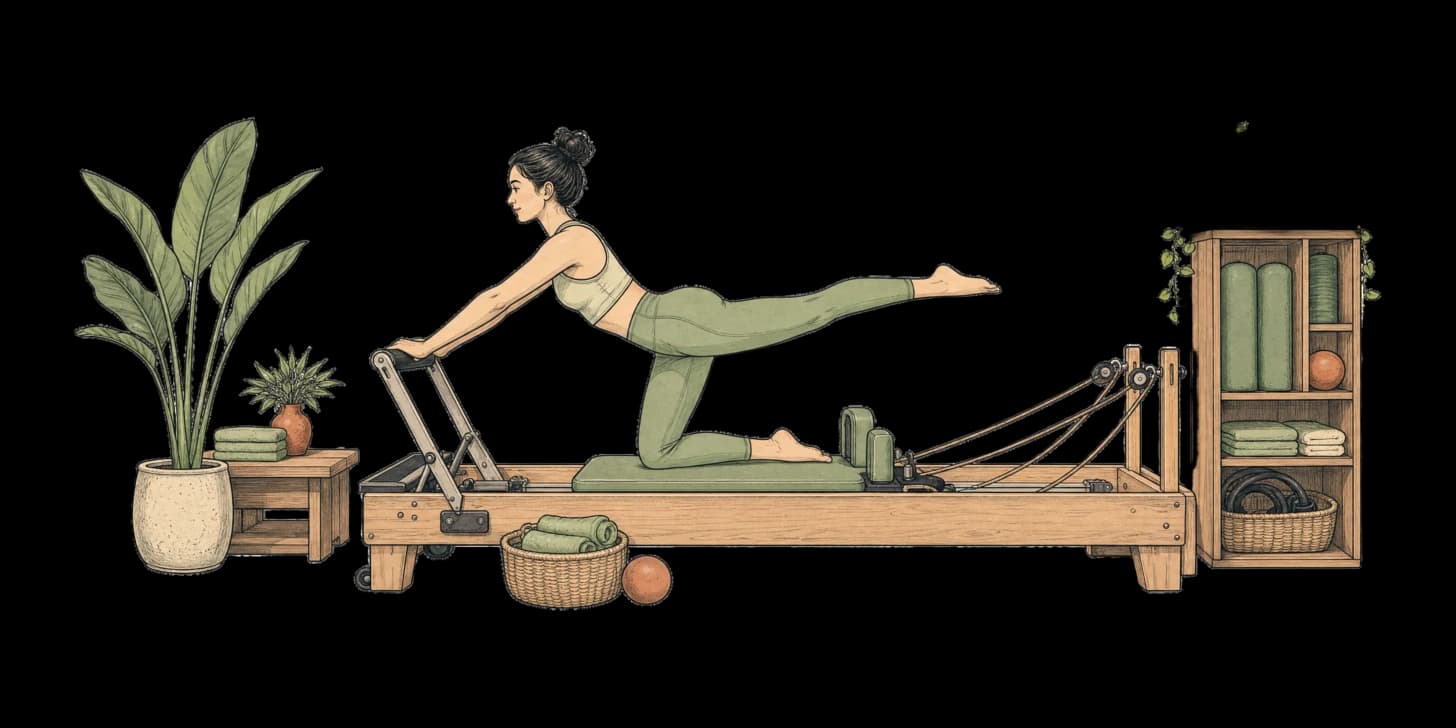
Most studios book via LINE, Instagram DM or Facebook message, not always a polished Western app. Message a day ahead for group reformers; private slots may need more notice in high season (November–February). Arrive 5–10 minutes early for spring settings and foot-bar setup on a reformer. Wear fitted clothes that don’t catch; grip socks are often preferred — ask when you book. If Thai is limited, English is usually fine in these international studios; simple details (injuries, pregnant, first-timer) are worth stating up front.
Pairing pilates with the rest of your week
Pilates rarely needs to be your only movement. Many long-stayers do 2 reformer sessions + 1 easy swim at a public or club pool, or slot a gentle class before a recovery massage. On rest days, classic Thai massage or a quiet spa afternoon still fits the same “body needs attention” mood. If you want more stillness and breath than spring resistance, the city’s yoga and meditation retreats cover that end of the spectrum — different tool, same neighbourhood of wellness.
Practical notes for long-stayers
- Start with 1–2 trials at different studios before buying a big pack; teacher fit matters more than equipment brand.
- Bring your own water; A/C rooms can feel cold after the heat outside.
- Build a commute: 10–15 minutes by scooter or Grab from Nimman or Old City is normal for good reformers — plan it like a meeting, not a spontaneous stroll.
- Injuries: prefer physio-led rooms or private first; don’t power through sharp pain just because the springs look innocuous.
- This is general wellness information, not medical advice — for clinical issues, check with a qualified physiotherapist or doctor.
Schedules, class packs and first-class promos change often, so always reconfirm directly. If you’re settled in the house and want a reformer slot that doesn’t wreck a workday, tell us roughly when you free up and whether you prefer group mat energy or quiet private coaching — we can point you toward the right side of town.
Frequently asked questions
Is there reformer pilates in Chiang Mai, or only mat classes?
Both exist. Several studios put reformer machines at the centre of their offer (group classes and private 1:1 or duo sessions), while mat pilates remains the easier drop-in format when you want something simpler. Equipment lists and class types change, so check each studio’s Instagram or Facebook for what is running this week.
How much does a pilates class cost in Chiang Mai?
There is no single city-wide tariff. Trial offers sometimes appear in the high hundreds of baht for a first private or group class; ongoing packages usually cost less per session than single drop-ins. Treat any figure you see online as promotional or typical only, and confirm the current menu when you book.
Where are the studios relative to Nimman and the Old City?
You will not find a dense strip of studios on every Nimman lane. Most reliable reformer and multi-method rooms sit a short scooter or Grab ride away — Old City–adjacent, Fa Ham near Central Festival, the Superhighway / Tha Sala side, and Star Avenue by Arcade. Plan 10–15 minutes of travel rather than a walk.
I have an injury. Can I still do pilates?
Many people use pilates for controlled return to movement, especially in physio-led studios. That said this is general information, not medical advice: get clearance from a qualified physiotherapist or doctor, prefer private sessions at first, and start with clinical or gentler formats rather than pushing through sharp pain.
How do I book — do I need an app?
Small Chiang Mai studios usually book over LINE, Instagram DM or Facebook message more often than a polished Western booking app. Message the day ahead for group reformer slots; private sessions may need more notice in high season. Ask about grip socks, start time, and whether it is mat or reformer in the same chat.
How often should I go as a long-stayer?
A common sustainable rhythm is one or two reformer or mat sessions a week, mixed with walks, swimming or strength work. Start with a couple of trials at different studios before buying a large pack — teacher fit matters more than equipment brand for habits that last a full season.