Move here · June 25, 2026
Buying & owning a scooter in Chiang Mai: is it worth it?
By The Ada House team
If you've been renting a scooter by the month, you've probably done the sums in your head while paying the shop. The honest answer: for short stays, rent. But if you're settling in for six months or more, buying — and reselling when you leave — often works out cheaper than a stack of monthly rentals. Here's how it actually works.
When buying makes sense
Monthly rental runs roughly 3,000–5,000 THB. Stretch that over half a year and you're well past what a tidy used automatic costs to buy outright. The trick is that a scooter holds its value here: when you leave, you sell it on for not far off what you paid. Owning also means the bike is yours — no deposit dramas, no swapping for a worse one, and you can fit a phone mount, a top box, whatever you like.
If you're only here a few weeks, none of this is worth the paperwork. But for anyone thinking about settling in for a season or longer, ownership starts to look obvious — and it folds neatly into your wider cost of living.
The scooter market: new vs used
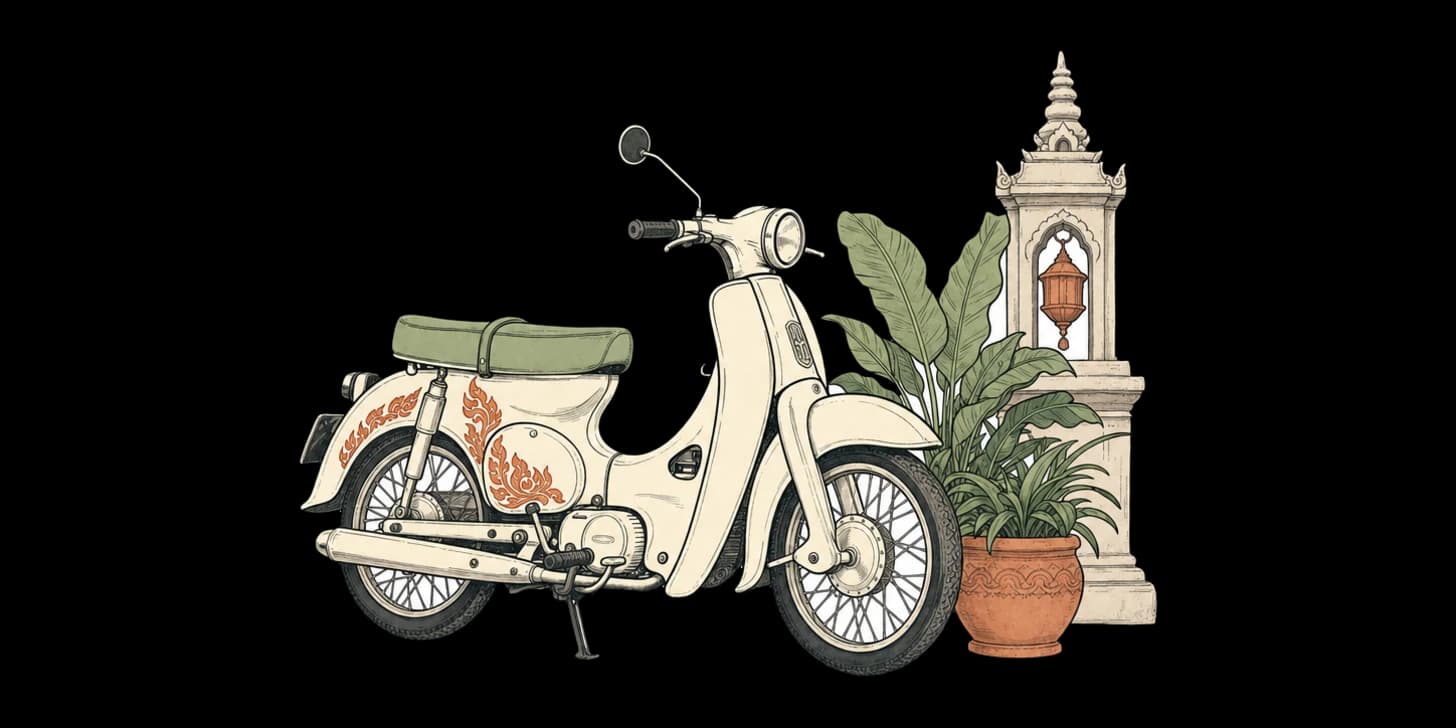
New, from a Honda or Yamaha dealer, is the simplest route. A Click or Scoopy lands around 50,000–60,000 THB; the bigger, comfier PCX sits higher. The dealer handles the registration and hands you a bike nobody has dropped. You pay a premium for that peace of mind.
Used is where most long-stayers buy. Sources are dealers (some of the rental shops sell off their older fleet), expat resellers, and the busy Chiang Mai Facebook buy-and-sell groups. A decent automatic a couple of years old — a Click 125, say — typically runs 25,000–40,000 THB depending on age, mileage and condition. Buy in person, ride it before you pay, and don't rush.
The paperwork: ownership and the green book
Good news first: foreigners can own a vehicle in their own name — no nationality restriction, no Thai nominee needed. To register it you'll usually need your passport, a long-stay visa, and a certificate of residence (an address letter from Immigration, a small fee, a couple of days to issue). Without that residence certificate, nothing moves.
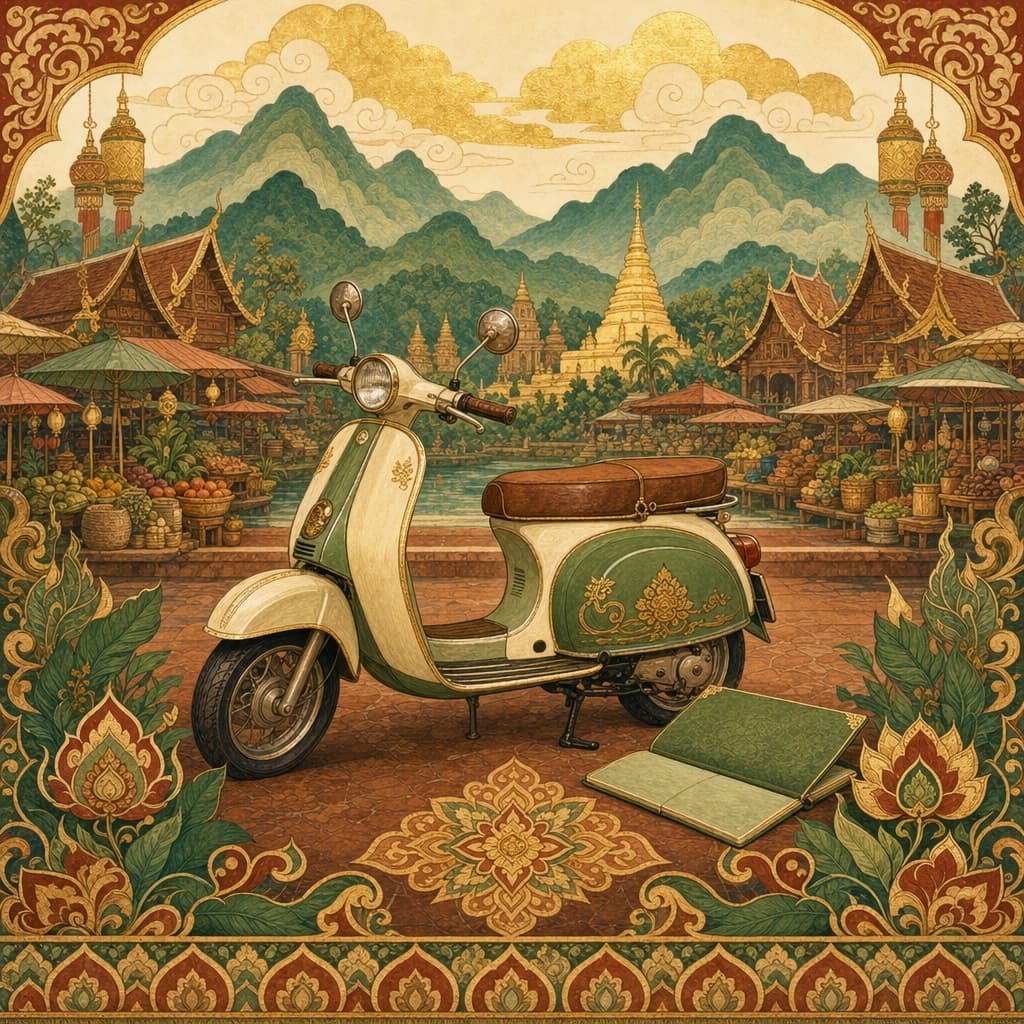
The document that matters most is the green book — the lem tabian, the official registration that proves who owns the bike. When you buy used, both you and the seller go together to the DLT (Department of Land Transport) to transfer the green book properly into your name. This is the step people skip to save a trip, and it's exactly the step you must not skip. Until your name is in that book, you don't really own the bike.
Then there's the running admin: annual road tax (cheap for a small scooter, renewable online or at the DLT) and compulsory insurance — CTPL, the "por ror bor" — which is legally required and covers third-party injury only. Renew it each year before the tax. It costs little, so on top of it we'd strongly suggest voluntary insurance for anything beyond a token sum, since the compulsory cover won't pay for your bike or, in any real way, for you.
The honest realities
Buying secondhand from a stranger means doing your homework. Check the bike — brakes, tyres, lights, any rattles — and check the book just as carefully: the engine and frame numbers should match, and the seller's name should match their ID. If a deal feels rushed or the paperwork is "coming later," walk away. A reputable seller will happily come to the DLT with you.
And the non-negotiable: ownership changes nothing about the rules of riding. You still need a valid licence — an International Driving Permit or a Thai one with the motorcycle category — and you still need to read your travel insurance wording, because the motorbike exclusion voids many policies if you ride unlicensed or without a helmet. Owning the bike doesn't buy you out of either.
Cars work the same way — own them in your name, same green book, same DLT — just with more cost, more tax and more hassle. For most people here, a scooter is plenty.
Reselling when you go
This is the easy part. The same Facebook groups that sell bikes will sell yours, and there's a steady stream of new arrivals wanting exactly what you've got. Price it fairly, keep the green book and service history to hand, and meet the buyer at the DLT to transfer it cleanly. A well-kept scooter often sells within days.
Not sure whether buying or renting suits your stay? It comes down to how long you're here and how much you'll ride — and a scooter is only one way to get around, as our getting-around guide lays out. Rules, taxes and prices shift, so confirm the current details locally. Ask us at the house — we're happy to point you to honest sellers and the right DLT desk.
Frequently asked questions
Should I buy or rent a scooter in Chiang Mai?
For short stays of a few weeks, renting is simpler and the paperwork of buying isn't worth it. But if you're settling in for six months or more, buying and then reselling when you leave often works out cheaper than a stack of monthly rentals, which run roughly 3,000-5,000 THB. A scooter holds its value well here, so you'll usually sell it on for not far off what you paid.
Can foreigners own a scooter in their own name?
Yes. There's no nationality restriction and you don't need a Thai nominee. To register it you'll usually need your passport, a long-stay visa, and a certificate of residence (an address letter from Immigration) — without that residence certificate, nothing moves.
What is the green book and how does ownership transfer work?
The green book, or lem tabian, is the official registration that proves who owns the bike. When you buy used, you and the seller go together to the DLT (Department of Land Transport) to transfer it properly into your name. This is the step people skip to save a trip, and it's exactly the one you mustn't skip — until your name is in that book, you don't really own the bike.
How much does a used scooter cost, and where do people buy them?
A decent automatic a couple of years old — a Click 125, say — typically runs 25,000-40,000 THB depending on age, mileage and condition. Most long-stayers buy from dealers, expat resellers, or the busy Chiang Mai Facebook buy-and-sell groups. Buy in person, ride it before you pay, and don't rush.
What insurance do I need for my scooter?
Compulsory third-party insurance, known as CTPL or 'por ror bor', is legally required and must be renewed each year before the road tax. It covers third-party injury only and costs little, so we'd strongly suggest adding voluntary insurance on top — the compulsory cover won't pay for your bike or, in any real way, for you.
Do I still need a driving licence if I own the bike?
Absolutely — owning the scooter changes nothing about the rules of riding. You still need a valid licence, either an International Driving Permit or a Thai one with the motorcycle category. It's worth reading your travel insurance wording too, since the motorbike exclusion voids many policies if you ride unlicensed or without a helmet.