
Health & wellness · June 27, 2026
Cosmetic surgery in Chiang Mai: a sensible medical-tourism guide
By The Ada House team
Every so often a guest mentions — a little sheepishly, over breakfast — that part of the reason they came to Chiang Mai was to finally book something they'd been turning over for years: a bit of skin work, perhaps, or something more involved. It's more common than you'd think. The city has quietly become a destination for aesthetic and cosmetic procedures, and we're often asked how to go about it sensibly. This is our honest take — not a list of clinics, but a way of thinking about the whole thing.
Why Chiang Mai, and not Bangkok or Phuket
Thailand's reputation for medical tourism is well earned, and most of the headlines go to Bangkok's big hospitals or Phuket's flashier clinics. Chiang Mai's pitch is different and, for many people, better suited to recovery: it's calmer, greener and noticeably cheaper to stay in for a few weeks. Standards at the better private facilities are genuinely high, prices are often a fraction of Western ones, and the unhurried pace lets you heal without the heat, crowds and beach-resort bustle of the south. If you want to disappear quietly for a fortnight and come back looking rested, this is a gentle place to do it — and it sits within a wider healthcare picture that's reassuringly solid across the board.
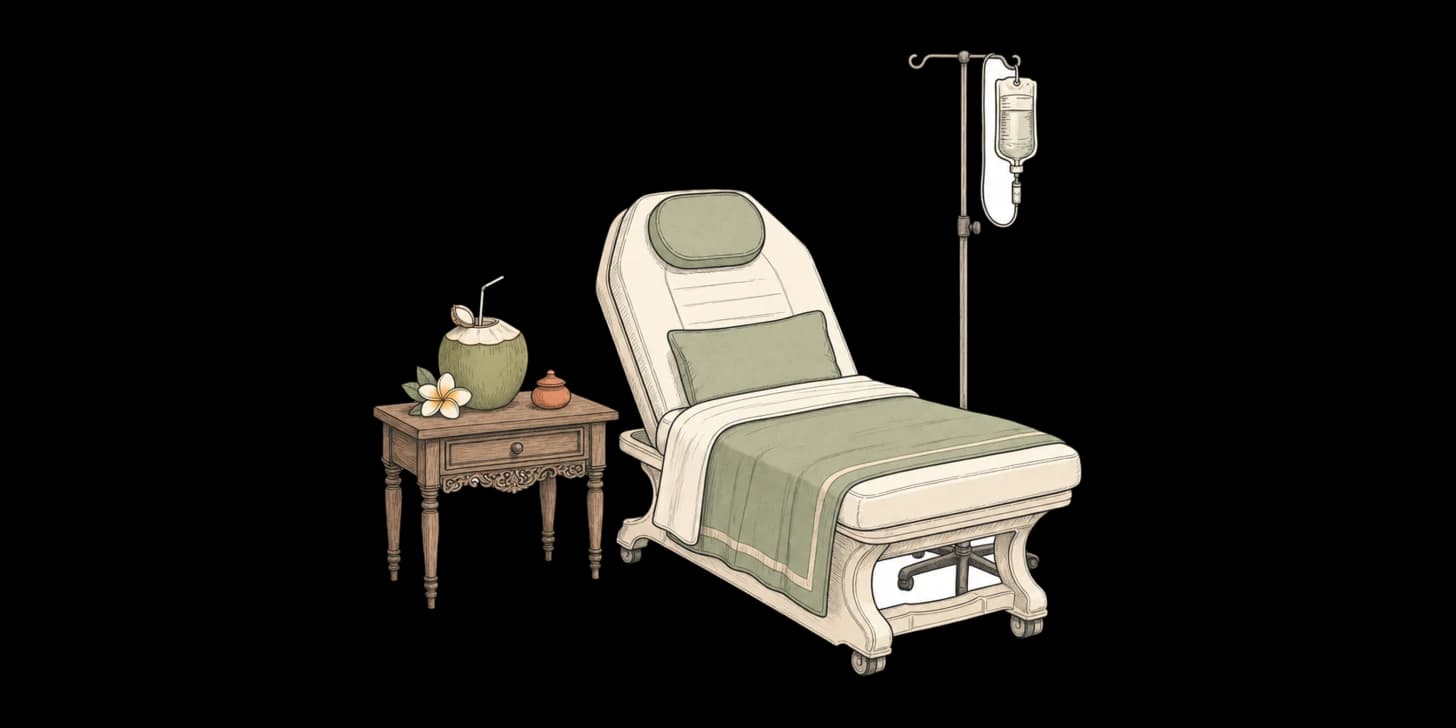
What people come for
We won't promote anything specific, but in broad terms the menu spans several categories. Skin and laser treatments — resurfacing, pigmentation, anti-ageing — are popular and relatively low-commitment. Injectables like Botox and fillers draw a steady stream of repeat visitors. Dental aesthetics overlap heavily with the city's dental tourism scene: veneers, whitening and smile work that many people fold into the same trip. Hair restoration has grown quickly. And then there's the more involved end — body and surgical procedures — which deserve far more research, much longer recovery and a far more careful conversation than anything on the lighter end of the list. The further along that spectrum you go, the more everything below matters.
Choosing a provider safely
This is the part we'd ask you to slow right down on. A few principles we'd stand behind:
- Do your own due diligence. Read reviews critically — look for detail and consistency, not star counts — and be wary of anyone marketed purely through glossy social media.
- Check accreditation and credentials. International standards such as JCI accreditation, properly licensed surgeons and clear regulatory oversight are worth confirming rather than assuming.
- Insist on a real, in-person consultation first. A reputable provider will examine you, talk through the risks honestly and set realistic expectations — not promise the world over WhatsApp before you've even arrived.
- Make sure you can communicate. You should fully understand the plan, the risks and the aftercare in a shared language. If anything feels rushed or lost in translation, that's a reason to pause, not to push on.
If a quote seems too good, or a provider is reluctant to discuss complications, treat that as information.
Planning the trip and recovery
The single biggest mistake we see is underestimating recovery time. Build in far more buffer than you think you need. A laser session might need only a few quiet days; surgical work can mean weeks before you're presentable, let alone flight-ready. This is exactly where a longer, relaxed stay earns its keep — somewhere calm to rest, good food you don't have to chase, and no pressure to be anywhere. It's also why we'd nudge you to sort cover early: read the small print on your travel insurance before you commit to anything, because most standard policies specifically exclude elective and cosmetic procedures, and some may even void other cover if you've travelled primarily for treatment. Specialist medical-tourism insurance exists; ordinary holiday cover usually isn't it.
Aftercare, and not rushing your flight home
Aftercare is where good outcomes are protected or quietly lost. Follow-up appointments matter, swelling and healing take their own time, and flying too soon after certain procedures carries real risks — ask your provider exactly when it's safe to travel, and believe them. Keep every record, receipt and treatment note in case you need care once you're home. Above all, resist the urge to book a tight return. The few extra days that feel indulgent now are the ones that let you heal properly, catch any problem early, and leave on your own terms rather than the airline's.
None of this is meant to put you off — plenty of people have a good, well-considered experience here. It's simply that the difference between a happy result and a regretted one tends to come down to patience and homework, both of which are easier when you've given yourself room to breathe.
Whatever you're weighing up, take it slowly, ask the awkward questions, and let yourself recover somewhere kind. We'll keep things quiet and the kettle on.
— The Ada House team
Frequently asked questions
Why consider Chiang Mai over Bangkok or Phuket?
Chiang Mai's pitch is different and, for many people, better suited to recovery. It's calmer, greener and noticeably cheaper to stay in for a few weeks, standards at the better private facilities are genuinely high, and the unhurried pace lets you heal without the heat and crowds of the south. It sits within a wider healthcare picture that is reassuringly solid.
How do I choose a provider safely?
This is the part to slow right down on. Do your own due diligence and read reviews critically for detail and consistency rather than star counts, check accreditation and credentials such as JCI and properly licensed surgeons, and insist on a real in-person consultation before committing. Make sure you can fully understand the plan, risks and aftercare in a shared language, and if anything feels rushed, treat that as a reason to pause.
How much recovery time should I plan for?
The single biggest mistake we see is underestimating recovery, so build in far more buffer than you think you need. A laser session might need only a few quiet days, while surgical work can mean weeks before you're presentable, let alone flight-ready. A longer, relaxed stay with somewhere calm to rest really earns its keep here.
Will my travel insurance cover a cosmetic procedure?
Usually not, so read the small print before you commit to anything. Most standard policies specifically exclude elective and cosmetic procedures, and some may even void other cover if you've travelled primarily for treatment. Specialist medical-tourism insurance exists, but ordinary holiday cover usually isn't it, so sort appropriate cover early.
When is it safe to fly home afterwards?
Aftercare is where good outcomes are protected or quietly lost, and flying too soon after certain procedures carries real risks. Ask your provider exactly when it's safe to travel and believe them, keep every record and receipt in case you need care once home, and resist the urge to book a tight return so you can heal properly and catch any problem early.